What to Know About 24/7 Emergency HVAC Services
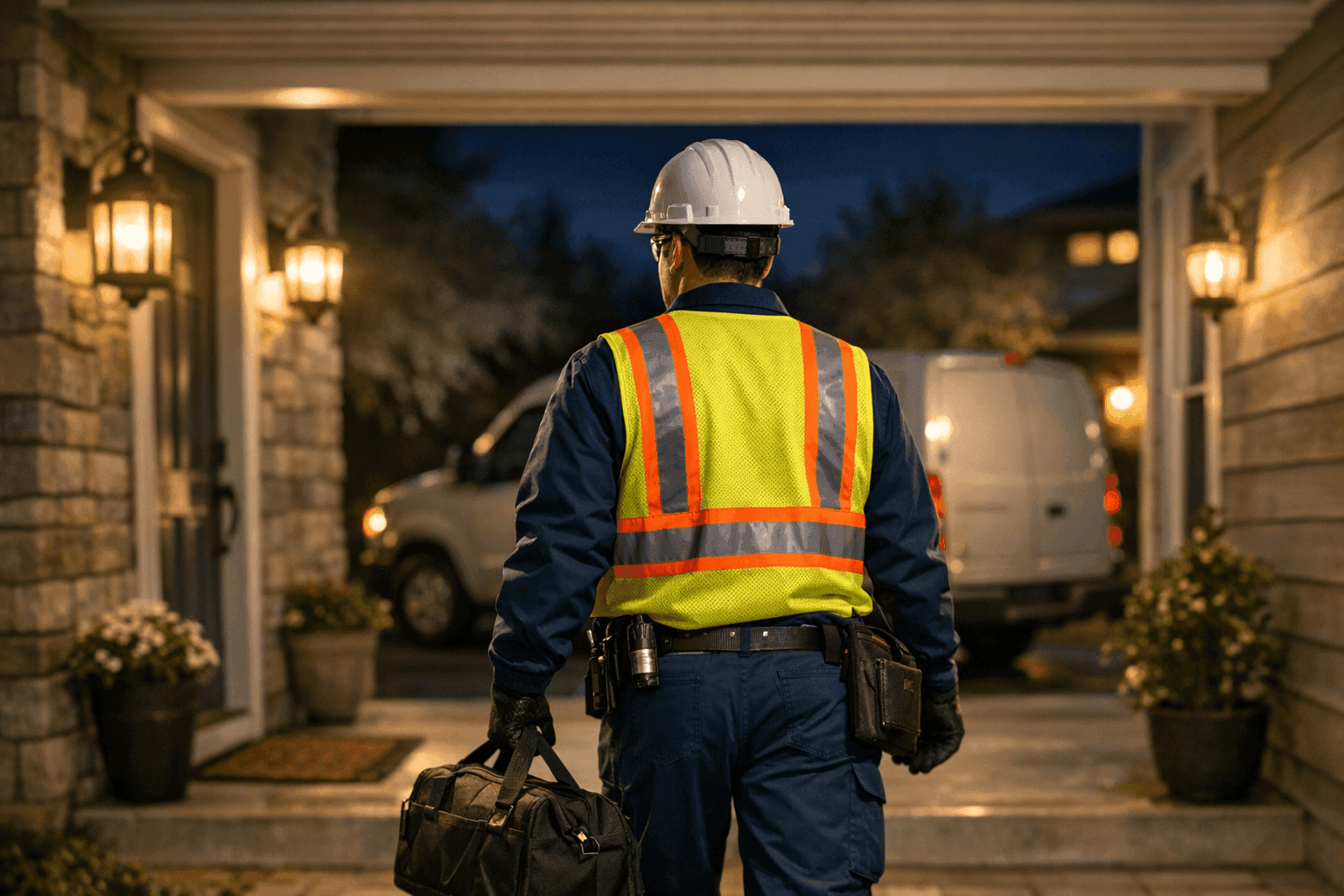
When your air conditioning or heating fails in the middle of the night, it feels like time stops. The house grows still. The air thickens or chills. You just want someone you can trust—fast. Brama Cooling understands that urgency. We’re here for you around the clock, so you’re never left sweating or shivering in silence.
Let’s break down what counts as an HVAC emergency, what happens when you call for 24/7 service, and how to take smart steps before and after you dial.
What Qualifies as an HVAC Emergency? 🕒
Not every hiccup with your cooling or heating system means you need to sound the alarm. But some situations demand immediate help.
You should call for 24-hour emergency service if:
- There’s a burning electrical smell or visible smoke.
- The system won’t turn on during dangerous temperature extremes (heatwaves or deep freeze).
- Water is pooling around your unit, risking electrical or structural damage.
- You hear loud grinding or banging noises—like a wrench in a laundry dryer.
- Your thermostat is unresponsive and resets don't help.
- You notice sparks, flickering lights, or tripped breakers when the system runs.
If your situation involves fire, gas, or electrical hazards, always call 911 first. Safety comes before comfort.
Quick Safety Checklist Before You Call
Before reaching for your phone, check these basics to stay safe and possibly resolve minor issues:
- Make sure the thermostat is set correctly (sometimes, it’s just bumped accidentally).
- Confirm the circuit breaker hasn’t tripped.
- Look for obvious blockages around vents and the condenser.
- If you smell gas, leave the building immediately and call emergency services.
For more on home safety, the U.S. Consumer Product Safety Commission offers clear guidelines on HVAC and electrical safety.
DIY vs. Call a Pro: Knowing Your Limits
It’s tempting to poke around your AC or furnace. But even if you’re handy, some problems are best left to certified technicians with specialized tools and training.
DIY is okay for:
- Changing your air filter.
- Swapping batteries in your thermostat.
- Checking for a tripped breaker.
Call a professional for:
- Anything involving wiring, refrigerant, or gas lines.
- Loud, unusual sounds or burning odors.
- Sudden drops in air quality or humidity.
Remember, improper repairs can void warranties and even make things worse.
What 24/7 Service Includes
When you reach out for emergency cooling or heating help, here’s what you can expect from Brama Cooling:
- Rapid response: Our phones are answered day and night by real people.
- Certified technicians: Every responder is licensed, insured, and background-checked.
- On-the-spot assessment: We diagnose the issue using professional tools and know-how.
- Clear communication: You’ll get a plain-language explanation, not technical jargon.
- Upfront options: We walk you through your choices and next steps, including any needed parts or follow-up visits.
We’re equipped to handle everything from thermostat failures and AC Repair to indoor air quality emergencies, generator issues, and more.
How to Prepare for an Emergency Call
A little preparation can make a late-night service call smoother and safer for everyone.
Before you call:
- Know where your main electrical panel is.
- Have your system’s model and serial number ready if possible.
- Clear a path to the affected unit.
- Secure pets and alert anyone in the building.
During the call:
- Share as much detail as you can—when the problem started, any strange sounds or smells, recent storms, etc.
- Ask about estimated arrival times and what you should do while waiting.
Selecting a Trusted Provider
Who you call matters. Look for a cooling company that:
- Has licensed, insured, and background-checked technicians.
- Offers transparent pricing—no mystery fees.
- Maintains solid response times, even during storms or peak demand.
- Is equipped for both residential and commercial emergencies.
- Has real reviews and a strong reputation in your area.
At Brama Cooling, our team is trained to handle emergencies with care and speed. We’re proud to be a trusted resource for cooling when you need it most.
Safety First: What to Do Until Help Arrives 🛑
- If you smell gas or see smoke, evacuate immediately.
- Avoid using extension cords or space heaters as a substitute for a failed system.
- Don’t open up your furnace or AC unit—modern systems have sensitive electronics and pressurized parts.
If you’re unsure, play it safe and wait for the technician.
What Pros Do On Arrival
A Brama Cooling technician will:
- Inspect your system visually and with diagnostic tools.
- Test for electrical or refrigerant hazards.
- Explain findings clearly, showing you any problem areas.
- Offer immediate solutions when possible—or arrange temporary fixes until a full repair can be made.
We follow industry standards like those from the Air Conditioning Contractors of America (ACCA) and local building codes, so you know your system is handled professionally.
Prevention & Maintenance
Want to avoid emergencies before they start? Regular maintenance checks—at least twice a year—are your best defense.
Our team can help with:
- Thermostats near you for consistent comfort.
- Air balancing and duct cleaning for healthy airflow.
- Filter changes, humidifiers, and dehumidifiers for the right indoor climate.
- Generator maintenance to keep the lights on during storms.
Routine service helps catch small issues before they turn into big, late-night surprises.
Costs & Time Factors
Not all emergencies cost the same. After-hours rates are standard in the industry, but we keep our pricing straightforward. Complex repairs or rare parts may require additional visits. Your technician will always explain what’s urgent versus what can wait.
Service calls can take anywhere from 30 minutes (for a quick fix) to several hours for more involved repairs.
When It’s an Emergency—And When It’s Not
If your system is running but less efficiently, or if there’s a minor noise or a light flicker, you may be able to wait for regular business hours. But never ignore:
- Complete loss of heating or cooling in extreme weather.
- Electrical hazards or water leaks.
- Poor indoor air quality with health risks (mold, burning smells).
If in doubt, call. Peace of mind matters.
Common Mistakes Homeowners Make
- Ignoring small warning signs like rattling or short cycling.
- Trying to “reset” the system too many times.
- Putting off repairs until a minor issue becomes a major outage.
- Blocking vents with furniture or storing items near the HVAC unit.
Stay proactive, and your system will thank you.
Timeline & Disruption: What to Expect
Most emergency repairs are handled on the spot. Sometimes, rare parts need to be ordered, especially for older systems. We’ll always keep you informed about what’s happening and how long you can expect to be without cooling or heating.
Our technicians respect your space—using drop cloths, shoe covers, and cleaning up when finished.
Materials & Equipment Needed
You won’t need to supply anything. Our vehicles are stocked with common replacement parts, filters, and diagnostic tools. If more specialized equipment is required, we’ll explain your options and next steps.
Seasonal Considerations
Emergencies spike during the first heatwave or cold snap of the season. Schedule preventive maintenance each spring and fall to make sure you’re ready before extreme weather arrives.
Signs of Trouble: Know What to Watch For 🔍
- Unusual noises—buzzing, banging, whistling.
- Warm air when you expect cool, or vice versa.
- Rising utility bills without clear cause.
- Frequent cycling on and off.
- Stale or musty air.
Spot trouble early and address it before it becomes a crisis.
FAQ
How fast can help arrive after I call?
We prioritize emergencies and typically respond within hours—often faster, depending on your location and weather conditions.
Are emergency repairs covered by insurance?
Some repairs may be covered if damage is due to a covered peril (like a storm). Check with your homeowner’s or business insurance agent.
Does my system warranty cover emergency service?
Warranties vary. Most cover parts, not labor or after-hours calls. Our team can help clarify what’s included.
Final Thoughts: Be Ready, Stay Safe
HVAC emergencies are stressful, but you don’t have to face them alone. By knowing what to look for and having a plan, you can protect your home, business, and peace of mind.
Call Brama Cooling now — or reach us anytime at 888-840-5035 .