How to Improve Indoor Air Quality Year-Round
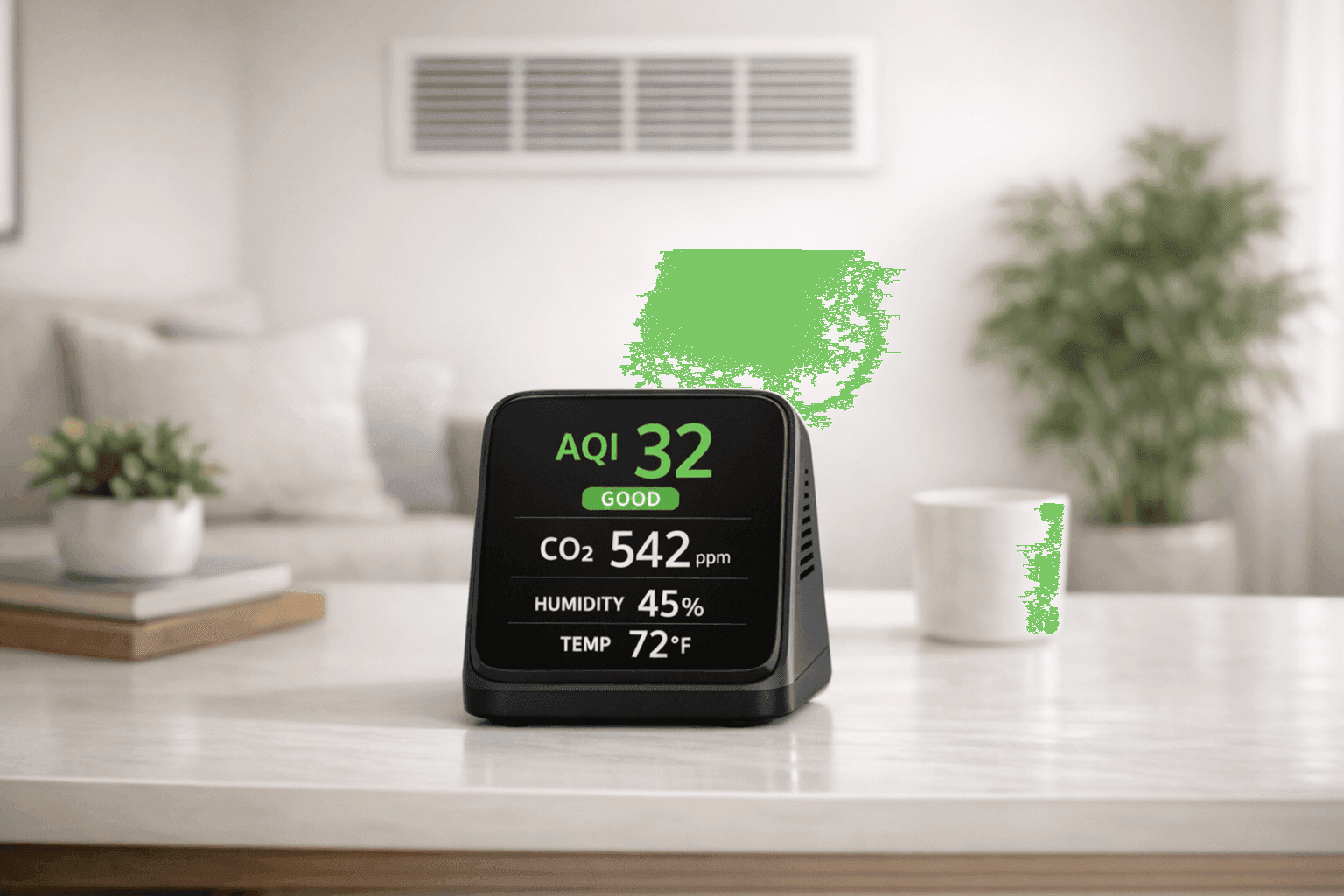
When you step inside, the air should feel like a deep breath of relief—not a worry. But pet dander, pollen, dust, and even invisible gases can sneak into your home or business all year. At Brama Cooling, we know what’s floating in the air matters—every single season.
Indoor air quality (IAQ) is the backbone of comfort and safety. Whether you’re chasing productivity in the office or peace at home, it’s not just about temperature. It’s about what you can’t see. Let’s break down how you can keep your air fresh, safe, and healthy—no matter the month.
Why IAQ Matters
Most people spend over 90% of their time indoors, according to the EPA. That’s a lot of air to breathe—at work, at home, even in your favorite café. Poor IAQ isn’t just about musty smells or a little dust. It can mean headaches, fatigue, allergies, and long-term health risks.
Think of your lungs as filters—clean air means less work for them. For families, employees, and customers, clean air equals comfort and peace of mind. For businesses, it can mean fewer sick days and higher productivity.
Seasonal IAQ Challenges 🌦️
Each season brings its own air quality headaches:
- Spring: Pollen invades through open windows. Mold wakes up with the rain.
- Summer: Humidity rises, sending mold and mildew into overdrive. ACs run nonstop, sometimes spreading what’s already inside.
- Fall: Leaves, dust, and outdoor allergens drift in. Heating systems kick on, stirring up settled particles.
- Winter: Homes seal up tight. Stale air, increased CO₂, and dry conditions can aggravate breathing and skin.
What happens outside always finds its way in. The trick is staying one step ahead.
The Hidden Impact of Everyday Activities
Cooking, cleaning, painting, even lighting candles—all these can release pollutants. Pets shed dander, shoes track in pollen, and HVAC systems recirculate air (and whatever’s in it). Sometimes, it’s the little things you don’t notice that add up.
Running your cooling system helps, but only if it’s well maintained and paired with the right filters. Otherwise, you might just be blowing dust around.
Top Solutions for Clean Air
Brama Cooling offers a full menu of ways to take charge of your air. Here are some of the most effective:
Filters: The First Line of Defense
A good filter is like a goalie—blocking dirt, pollen, and even bacteria from making it into your lungs.
- MERV-rated filters trap more particles than basic ones.
- Change them every 1–3 months—or more often with pets or allergies.
- Upgrade to HEPA filters for sensitive environments.
Air Scrubbers: Deep Cleaning for Your Air
Air scrubbers go beyond filters. They use UV light or oxidation to neutralize bacteria, mold, and odors. Think of them as the “shower” your air system needs after a long day.
- Can be added to existing HVAC systems.
- Great for homes, offices, or anywhere air seems thick or stale.
- They’re especially powerful during allergy or cold/flu seasons.
Learn more about Air Scrubbers.
Humidifiers & Dehumidifiers: Balance is Key
Too dry or too damp? Both are problems.
- Humidifiers add moisture during dry winters. This helps with dry skin, noses, and static shocks.
- Dehumidifiers fight mold and dust mites when humidity spikes—especially in basements or muggy climates.
Brama Cooling can recommend the right setup for your space and season.
Ventilation: Out with the Old, In with the New
Opening a window isn’t always enough. Modern ventilation systems keep air moving and fresh, without losing heat or cooling.
- Heat recovery ventilators (HRVs) and energy recovery ventilators (ERVs) can make a big difference.
- Proper venting in kitchens, bathrooms, and laundry rooms whisks away moisture and odors fast.
Maintenance Tips for Year-Round Clean Air 🛠️
Routine care is the secret ingredient. Here’s how to keep your air system working its best:
- Change filters regularly—mark your calendar or set a phone reminder.
- Vacuum and dust often to keep surfaces clean.
- Schedule professional HVAC maintenance at least twice a year. This tunes up your air conditioner, furnace, and ducts.
- Have your ducts cleaned if you notice visible dust, mold, or a musty smell.
- Check for leaks around doors and windows to prevent outdoor air from sneaking in.
- Use exhaust fans in kitchens and bathrooms to vent moisture and fumes.
For a deeper dive, see our Indoor Air Quality service page.
DIY vs. Professional Help: When to Call in the Pros
Changing a filter? Easy. Installing a whole-house fan or balancing airflow for a multi-story building? That’s a job for licensed technicians.
Professional IAQ testing uses sensors and lab analysis to spot hidden issues—like high carbon monoxide, radon, or VOCs. This isn’t trial and error. It’s science, following standards set by the American Society of Heating, Refrigerating and Air-Conditioning Engineers (ASHRAE) and the EPA.
Brama Cooling’s trained technicians use calibrated tools to check your air and offer solutions that fit your needs and budget.
What Happens During Professional IAQ Testing? 🌡️
- We walk through your space, looking for obvious sources of pollution.
- Air samples are taken for particulates, VOCs, humidity, and more.
- We check your HVAC system’s performance, filter fit, and airflow.
- Results are shared in plain English, with clear action steps.
For more on our approach, check out our IAQ Testing page.
Common Mistakes That Worsen IAQ
Even with the best intentions, some habits make things worse:
- Forgetting to change filters (or using the wrong size).
- Blocking vents with furniture or rugs.
- Ignoring odd smells, which can signal mold or a gas leak.
- Skipping annual HVAC checkups.
- Using air fresheners that mask, not solve, odor problems.
Your air isn’t an afterthought—don’t treat it like one.
Quick Safety Checklist
Before you go:
- Replace filters on schedule.
- Test smoke and carbon monoxide detectors.
- Keep vents clear and unblocked.
- Watch for water leaks and fix them fast.
- Store chemicals (paints, cleaners) safely and away from vents.
A few minutes now can save a lot of hassle (and doctor visits) later.
When Is Poor IAQ an Emergency?
Some signs should never be ignored:
- Sudden headaches, dizziness, or nausea in multiple people.
- Strong, persistent odors (like rotten eggs or burning plastic).
- Visible mold growth or soot around vents.
- Carbon monoxide alarms sounding.
If in doubt, get everyone out and call emergency services. Then call us for a system check.
How HVAC Upgrades Boost Air Quality
Modern HVAC systems do more than cool or heat. Upgraded systems have advanced filtration, humidity control, and smart thermostats. You spend less on energy and breathe easier—win-win.
Mini-splits, whole-house fans, and programmable thermostats make it easier to keep every corner of your space just right. Ask Brama Cooling about solutions that fit your building and budget.
Costs, Timing, and What to Expect
- Filter changes: Low cost, quick DIY.
- Air scrubber install: Professional, usually under a day.
- Full HVAC maintenance: 1–2 hours, best done seasonally.
- Duct cleaning: Several hours, depending on system size.
Plan regular checkups before big seasonal changes—spring and fall are ideal.
The Brama Cooling Approach: Above and Beyond
We don’t just “fix” air—we help you understand it. Our technicians follow industry safety guidelines and use tested equipment. We take the time to explain, answer questions, and recommend what fits your needs. No shortcuts. No guesswork.
Whether you’re a homeowner or facility manager, we’re in it for the long haul. And if you’re looking for cooling specialists in the region, see how we serve cooling services in Grand Forks with full transparency and care.
FAQ: Your Indoor Air Quality Questions, Answered
How often should I get my air tested?
Once a year is smart—more often if you notice health issues or move into a new space.
Can I improve IAQ if I rent?
Absolutely! Change filters, use portable air purifiers, and keep vents clear.
Are air scrubbers safe?
Yes—when installed and maintained properly. They use tested technology, following EPA and ASHRAE guidelines.
Do smart thermostats help?
They can, by controlling temperature and humidity more precisely—reducing mold and dust mites.
Final Thoughts: Clean Air Is a Year-Round Commitment
Air quality is a moving target. The good news? A few smart steps, season by season, keep your indoor spaces comfortable and safe. Don’t wait for a problem—get ahead of it.
Call Brama Cooling now — or reach us anytime at 888-840-5035 .