AC Repair Checklist: What Homeowners Should Know
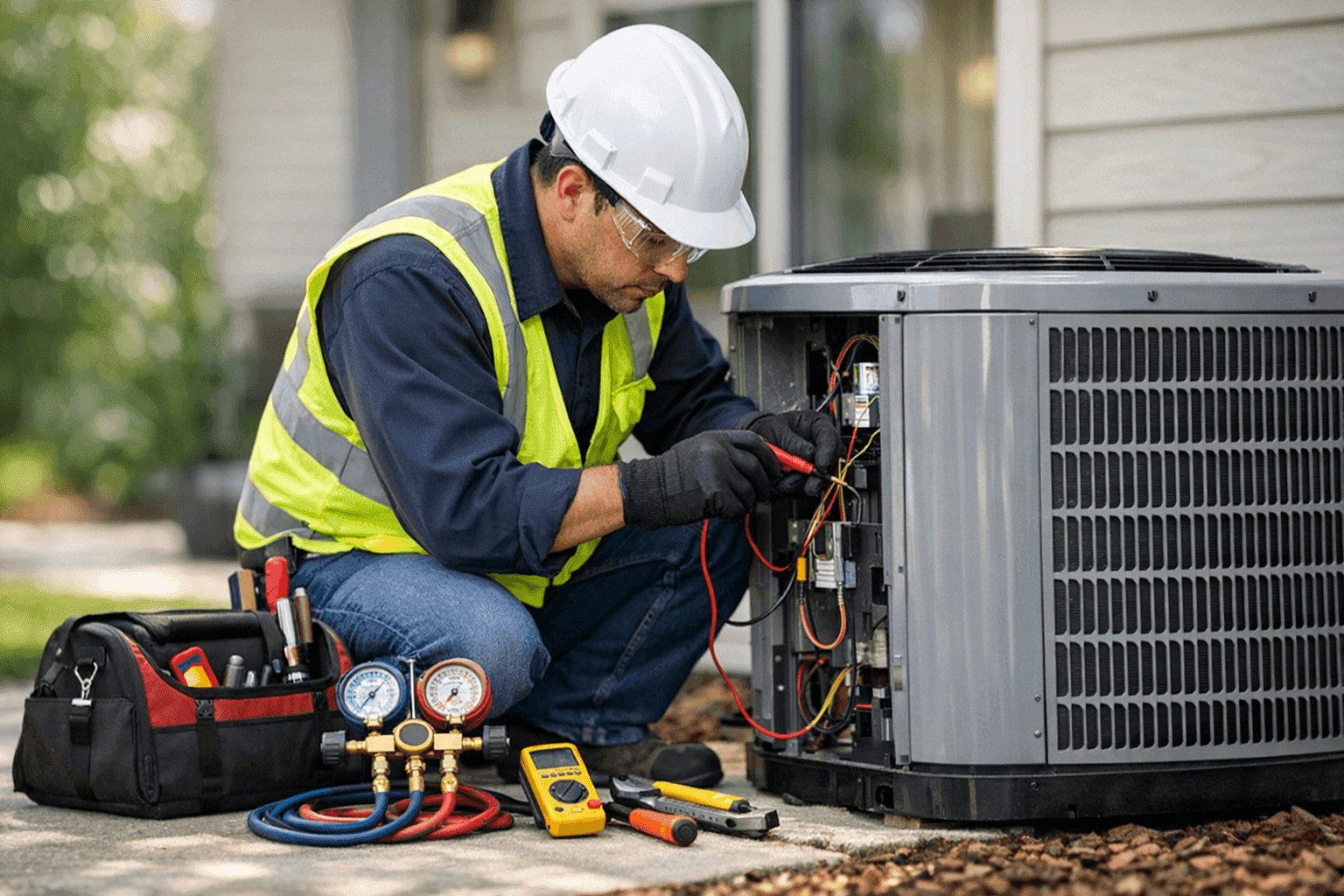
Feeling that familiar wave of heat indoors? When your AC falters, life at home or work can feel like a stuffy car in midsummer. At Brama Cooling, we know cooling emergencies don’t wait for business hours—and neither do we. This guide is built for homeowners and property managers who want to stay cool, safe, and informed.
Your air conditioner is the unsung hero of your comfort. But when it stumbles, understanding what’s wrong—and what you should (or shouldn’t) do next—can make all the difference.
Common Signs of AC Trouble
Sometimes your AC whispers for help. Sometimes it shouts. Here’s what to listen and look for:
- No Cool Air: Warm air blowing from vents, even with the thermostat set for cooling.
- Weak Airflow: Like blowing through a straw that’s pinched shut.
- Strange Noises: Clicking, buzzing, grinding, or rattling that wasn’t there last week.
- Unusual Odors: Musty, burnt, or chemical smells wafting from the vents.
- Leaks or Moisture: Pools of water or unexplained dampness near the unit.
- Constant Cycling: AC turns on and off rapidly, never really cooling the room.
- High Energy Bills: Sudden spikes with no clear reason.
If you notice any of these, don’t ignore them. Minor annoyances can morph into major breakdowns—and sometimes, safety hazards.
Safety Precautions Before Inspection ⚠️
Before you lift a finger, pause. Safety isn’t optional. The U.S. Consumer Product Safety Commission reminds homeowners that air conditioners involve high voltage, sharp components, and refrigerants that require professional handling.
Follow these basics before starting even a simple check:
- Turn Off Power: Always switch off your AC at the breaker box before opening panels.
- Wait for Moving Parts to Stop: Fans can keep spinning after power is off.
- Wear Gloves and Eye Protection: It’s better to look silly than get hurt.
- Never Touch Refrigerant Lines: Leaks can cause serious injury and worsen the problem.
- If Water or Ice Accumulates: Avoid slipping and don’t handle electrical components.
When in doubt, step back and call a professional. Your safety comes first.
DIY Checks vs. Professional Help
It’s tempting to play detective. Some AC issues are safe to check on your own. Others are best left to certified technicians who’ve spent years mastering their craft.
What Homeowners Can Safely Inspect
- Thermostat Settings: Make sure it’s on “Cool” and set below room temperature. If you have a smart thermostat, check for error messages or dead batteries.
- Air Filters: Dirty filters choke airflow and stress your system. Slide out the filter. If it’s gray and fuzzy, replace it.
- Circuit Breaker: Check your electrical panel. A tripped breaker could be the culprit.
- Vents & Returns: Make sure furniture or curtains aren’t blocking vents.
These steps are like checking the oil and tires before a road trip. Simple, safe, and sometimes all it takes.
When to Call a Certified Technician
Stop and call in a pro if you notice:
- Electrical smells, sparks, or burning odors
- Refrigerant leaks (look for oily residue or hissing sounds)
- Frost or ice on coils or refrigerant lines
- Loud or persistent noises after a reset
- Repeated circuit breaker trips
Working with refrigerants, motors, or wiring without training can be dangerous. Certified technicians follow National Electrical Code (NEC) and Environmental Protection Agency (EPA) guidelines to protect you and your home.
Troubleshooting Steps: What You Can Do
Here’s a safe, step-by-step list for homeowners:
- Check the Thermostat: Confirm it’s on, in “Cool” mode, and the temperature is set right. Change batteries if needed.
- Inspect and Replace Filters: Slide out the filter, hold it up to the light. If you can’t see light through it, swap it out.
- Examine the Circuit Breaker: If the AC breaker is tripped, reset it once. If it trips again, stop—there’s an underlying issue.
- Clear and Open Vents: Walk through your rooms. Open all supply and return vents.
- Look for Visible Leaks or Ice: Spotting water or frost? Turn off the AC and call for help.
If your system still isn’t cooling, don’t push your luck. It’s time for a professional evaluation.
Why Strange Noises Matter
Clanking or buzzing isn’t just annoying—it’s your AC’s way of waving a red flag. Loose parts, failing motors, or electrical issues could be brewing. According to the Air Conditioning Contractors of America (ACCA), ignoring odd sounds can turn a minor fix into a major repair, or even a full system replacement.
Leaks, Drips, and Excess Moisture
Water where it shouldn’t be? Your AC removes humidity as part of the cooling process, but if the drain line clogs or the pan overflows, you’ll see puddles. Mold growth and electrical hazards can follow. If you spot moisture, switch off your system and contact Brama Cooling—fast action keeps damage (and costs) down.
The Role of Air Filters in Cooling Performance
Think of your air filter as your AC’s lungs. A clogged filter suffocates the system, making it work harder and less efficiently. The Department of Energy recommends changing filters every 1-3 months. More often during allergy season or if you have pets.
Thermostats Near You: Smart Upgrades for Better Cooling
Thermostats do more than adjust temperature—they help your AC run smarter, not harder. Upgrading to a programmable or smart thermostat can cut energy use and improve comfort. If your thermostat is unresponsive, misreading temperatures, or seems outdated, Brama Cooling offers installation and troubleshooting as part of our AC Repair service.
AC Maintenance: Prevention is Better Than Repair
Routine AC Maintenance keeps small issues from becoming headline news in your home. Regular tune-ups mean:
- Longer equipment life
- Lower energy bills
- Improved indoor air quality
- Fewer surprise breakdowns
Our team checks refrigerant levels, cleans coils, tests safety controls, and more—following manufacturer and ASHRAE (American Society of Heating, Refrigerating and Air-Conditioning Engineers) guidelines.
When It’s Time for Emergency Cooling Help 🚨
If your AC fails during a heatwave, or you notice electrical smells, smoke, or water pooling near your unit, that’s an emergency. Health risks from overheating are real—especially for kids, seniors, and pets. Brama Cooling offers 24-hour emergency service, so you’re never left sweating it out.
What to Expect When a Technician Arrives
Here’s what happens when you call in the cavalry:
- Visual inspection of key components
- Electrical and refrigerant safety checks
- Testing airflow, thermostats, and overall system operation
- Honest, upfront explanation of findings and next steps
A pro won’t just fix the symptom—they’ll hunt for the root cause.
The Cost and Time Factor
Simple repairs (like a faulty thermostat or clogged drain) can be quick and affordable. Larger issues—compressor failures, refrigerant leaks, or motor replacements—can take longer and cost more. Your technician should explain options before starting work.
AC Repairs and Seasonal Considerations
Spring and early summer are the busiest times for AC repairs. Schedule maintenance before temperatures soar. Remember: catching issues early helps you avoid the rush and the stress.
Common Mistakes: What Not to Do
- Don’t keep resetting the breaker—this can cause damage.
- Avoid using the system with a dirty filter.
- Never open sealed panels or handle refrigerants yourself.
- Don’t ignore signs—minor problems rarely fix themselves.
Indoor Air Quality: More Than Just Cooling
Your AC impacts more than temperature. Humidity, ventilation, filtration, and air cleanliness all affect comfort and health. Ask about air scrubbers, humidifiers, dehumidifiers, and AC Repair to breathe easier all year.
For Businesses: Commercial AC Needs
Commercial spaces face unique cooling challenges—larger spaces, more occupants, and stricter codes. Brama Cooling is trusted by local businesses for fast, code-compliant repairs and maintenance that minimize downtime.
Frequently Asked Questions
How often should I change my AC filter?
Every 1-3 months, or more often if you have pets or allergies.
Can I fix a refrigerant leak myself?
No. Handling refrigerants requires specialized equipment and EPA certification.
Why does my AC freeze up?
Could be low refrigerant, poor airflow, or dirty coils—all issues for a professional.
Is it normal for my AC to run all day?
On extremely hot days, yes. But if it never cycles off, call for a checkup.
Who do I call for cooling services in my area?
Brama Cooling serves both homes and businesses and can help with any AC or HVAC issue. For those in the region, our cooling specialists in Lancaster are always ready to help.
Final Thoughts: Stay Cool, Stay Safe
Understanding your AC system helps you catch problems early and stay comfortable. But when things get complicated—or unsafe—don’t hesitate to reach out for help. Cooling issues can be solved, and your safety is never worth the risk.
Call Brama Cooling now — or reach us anytime at 888-840-5035 .