How to Avoid Common Mistakes When Installing AC Systems
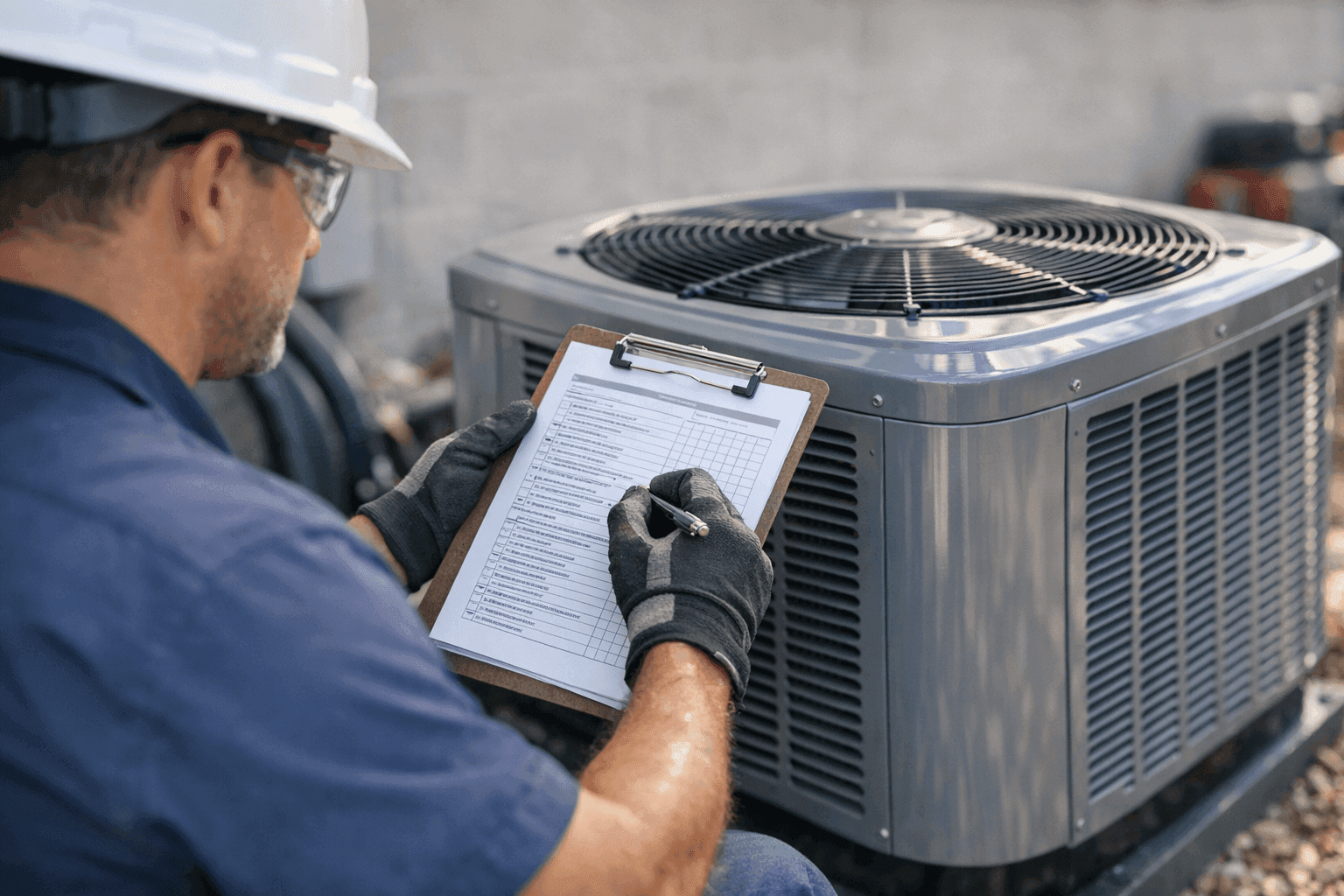
Air conditioning isn’t just about comfort. It’s about healthy air and peace of mind—especially when temperatures soar. But too often, even well-intentioned AC installs go sideways, leading to wasted energy, expensive repairs, and a home or business that just can’t keep cool.
At Brama Cooling, we’ve seen what happens when things aren’t done right. Let’s walk through the most common pitfalls—and how you can sidestep them for a smooth, trouble-free installation.
Most Common Installation Errors 😬
AC installs aren’t one-size-fits-all. Some mistakes show up right away—others lurk until the hottest day of the year. Watch for these common blunders:
- Wrong system size. Too big, and your system “short cycles,” turning on and off and wearing itself out. Too small, and it strains all day, never reaching the temperature you want.
- Poor ductwork design or connections. Leaky ducts can send cool air into unused spaces, making your system work twice as hard.
- Incorrect refrigerant charge. Overcharging or undercharging leads to weak cooling and possible compressor damage.
- Skipping the thermostat setup. A badly placed or incorrectly programmed thermostat throws everything off.
- Ignoring local building codes and EPA guidelines. Good intentions don’t count—correct permits and procedures protect your investment and safety.
These missteps aren’t just technicalities. They’re the difference between a cool, comfortable space and a never-ending headache.
How to Avoid Them
You wouldn’t build a house on sand. Don’t cut corners with your AC installation, either. Here’s what really matters:
1. Get the Size Right
It’s not about “bigger is better.” Your installer should use a Manual J load calculation (as recommended by the Air Conditioning Contractors of America and ENERGY STAR) to factor in square footage, insulation, windows, and even sun exposure.
2. Ductwork Done Properly
Picture your system as a set of lungs. If the ducts are pinched, leaky, or dirty, your air can’t flow. Make sure your installer checks for:
- Properly sealed joints
- Insulated ducts in attics or crawlspaces
- Clean, debris-free lines
3. Precision in Refrigerant Charging
Just like Goldilocks, it has to be just right. The U.S. EPA and most manufacturers insist on correct refrigerant levels. Too much or too little affects both efficiency and lifespan.
4. Thermostat Location and Setup
Your thermostat shouldn’t be near an oven, window, or drafty door. Placement and programming are key for accurate temperature control.
5. Following the Rules
Your installer should pull permits, respect manufacturer installation instructions, and adhere to EPA Section 608 regulations about refrigerant handling.
Signs of a Poor Installation
How do you know if something’s amiss? Here’s what to watch for:
- Rooms too hot or cold. Uneven temperatures signal airflow or sizing issues.
- High electricity bills. An inefficient install wastes energy.
- Frequent cycling or noisy operation. Both hint at underlying problems.
- Weak airflow or lingering odors. Duct leaks or poor filtration could be to blame.
- Moisture or humidity trouble. Your AC should dehumidify as it cools.
If you spot these symptoms, it might be time for a tune-up—or even a do-over.
Choosing a Qualified Installer 🛠️
Not all installers are created equal. Here’s what to look for:
- Proper licensing and insurance. This is non-negotiable.
- Manufacturer-trained technicians. Look for NATE- or EPA-certified professionals.
- Solid references and reviews. Ask around your neighborhood or among local businesses.
- Clear, detailed proposals. You want more than a price—you want a plan.
- Knowledge of modern solutions. From AC Installation to air balancing, a true pro keeps up with the latest tech.
Sizing: The Foundation of Reliable Cooling
Think of sizing like picking the right pair of shoes. Too small, and you’re uncomfortable. Too large, and you trip all over yourself. Your installer should measure and calculate—not guess.
A proper load calculation includes:
- Home or building square footage
- Window types and placement
- Insulation levels
- Number of occupants
- Local climate
Relying on rules-of-thumb or “what worked for your neighbor” just won’t cut it.
Ductwork: Out of Sight, Never Out of Mind
Ducts are the highways for your cooled air. But if they’re cracked, crushed, or disconnected, you’re losing comfort and money.
Ask your installer:
- Are all ducts sealed with mastic or approved tape?
- Is there visible dust or debris?
- Are there any kinks or sharp bends?
Regular HVAC Installation can help keep your air fresh and your system running efficiently.
Refrigerant Charge: Getting It Just Right
Charging a system isn’t guesswork. It takes gauges, thermometers, and training. The U.S. Department of Energy warns that improper refrigerant levels can cut your system’s efficiency by up to 20%.
Always have a certified technician handle refrigerants. It’s the law—and it protects both your equipment and the environment.
Quick Safety Checklist
Before the install begins, confirm:
- The work area is clear and well-lit
- Electrical panel access is open
- Pets and children are safely out of the way
- All necessary permits are in hand
Doing these basics helps keep everyone safe and the project on track.
DIY vs. Professional: Know Your Limits
Sure, DIY can be tempting. But a full AC installation is a high-stakes job—mixing electricity, refrigerant, and building codes. Even swapping out a thermostat can trip up the unprepared.
Consider tackling simple maintenance tasks—like changing filters or checking registers—but leave the heavy lifting to the pros.
What to Expect When Pros Arrive
A reputable team will:
- Review your needs and answer questions
- Perform a full pre-installation assessment
- Protect your floors and furniture
- Test the system after installation
- Walk you through operation and maintenance
If your installer rushes or skips steps, that’s a red flag.
Prevention & Maintenance Tips 🧰
A well-installed AC is just the start. Keep things humming with:
- Seasonal checkups (spring and fall)
- Regular filter changes (monthly during heavy use)
- Annual duct inspections
- Keeping vents clear of furniture and drapes
This proactive approach extends the life of your system and preserves indoor air quality.
Costs & Time Factors
Budgeting for AC installation isn’t just about the sticker price. Factor in:
- Energy savings from a modern, properly sized system
- Possible rebates for high-efficiency models
- The cost of any necessary duct repairs or upgrades
Most residential installations take one to two days. Commercial projects may take longer, especially if ductwork or electrical upgrades are needed.
When It’s an Emergency
If your cooling system fails during a heatwave, don’t panic. Brama Cooling offers 24-hour emergency service to get you back up and running, fast.
Keep our number handy. Sometimes, a quick fix can prevent a bigger problem.
FAQ: Common Questions About AC Installation
How often should I replace my AC?
Most systems last 10–15 years. If yours is older, less efficient, or needs frequent repairs, it may be time for an upgrade.
Do I need new ductwork with a new AC?
Not always—but it’s wise to have your ducts inspected. Leaky or undersized ducts can undermine even the best new system.
What’s the best filter for my AC?
Look for filters rated MERV 8–13. Change them regularly for best results.
Can you help with IAQ testing?
Absolutely! Indoor air quality is part of a healthy home or business.
Seasonal Considerations
Spring and fall are popular times for AC installation—mild weather means less disruption if you’re without cooling for a day. But don’t wait until your system fails during a summer heatwave. Plan ahead, and you’ll stay comfortable year-round.
Timeline & Disruption
Most installations are straightforward, but surprises do happen—hidden duct issues, electrical concerns, or extra permits can add time. Communication is key. A good installer keeps you informed every step of the way.
Materials & Equipment
From mini-splits to whole-house fans, today’s cooling solutions are more efficient than ever. Your installer should walk you through the options, explaining the pros and cons for your space.
Ask about:
- Smart thermostats
- Air scrubbers and filters
- Humidifiers and dehumidifiers
- Generator backup for peace of mind
Trusting Brama Cooling for a Trouble-Free Install
Avoiding mistakes isn’t luck—it’s attention to detail, technical know-how, and respect for manufacturer and EPA guidelines. Whether you’re upgrading your home’s comfort or outfitting a new commercial space, Brama Cooling brings experience and care to every job.
If you’re searching for a reliable cooling company in Dublin, we’re ready to help you make the right choice for lasting comfort.
Call Brama Cooling now — or reach us anytime at 888-840-5035 .