The Pros and Cons of Central AC vs. Ductless Mini-Splits
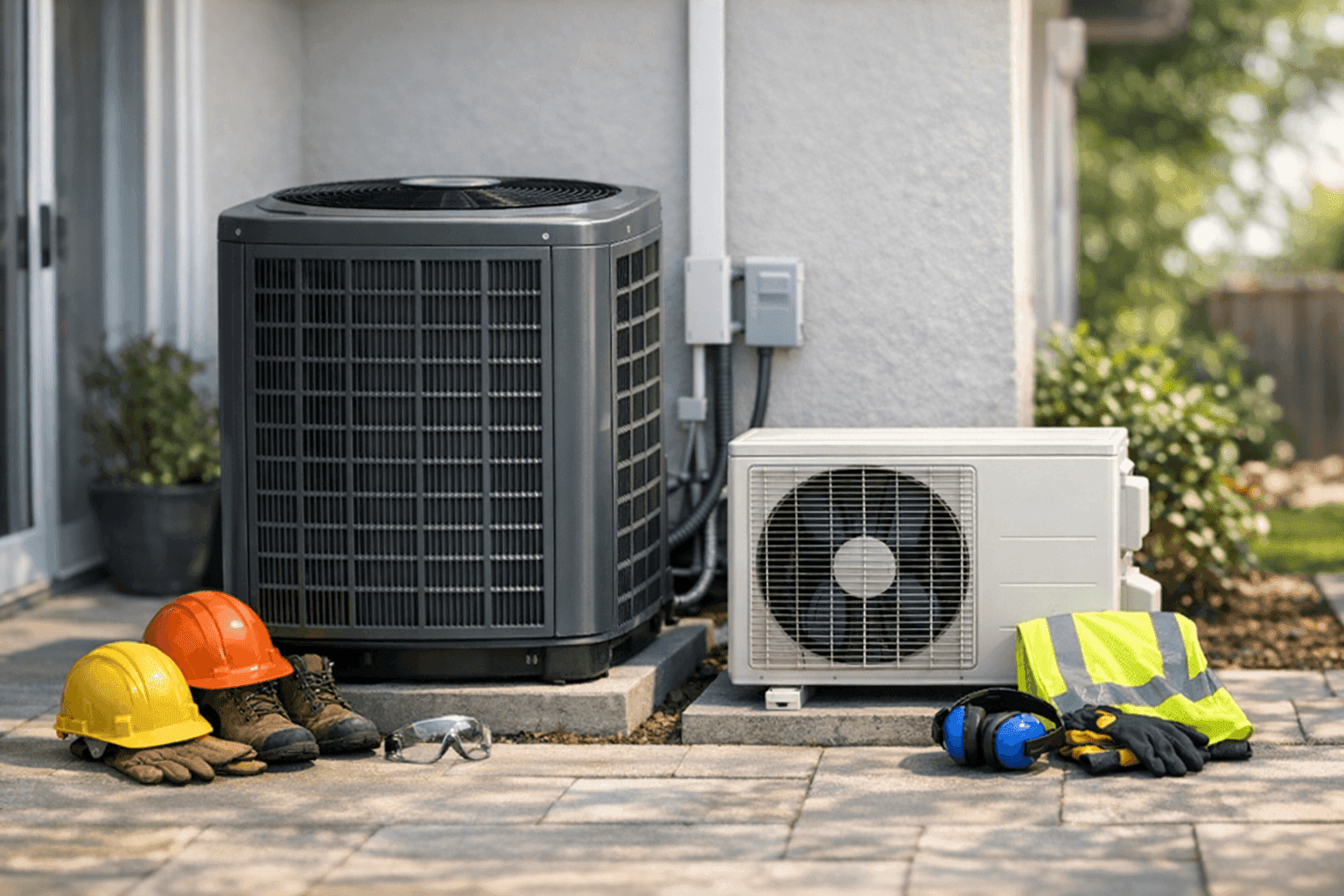
If your building feels too hot or too stuffy, you’re not alone. At Brama Cooling, we know the choice between a central AC system and a ductless mini-split can seem as tricky as picking between a classic road trip and a high-speed train. Both will get you there—just in different ways. Homeowners and business owners alike want comfort, control, and energy savings. Let’s break down each system so you’ll feel confident making the right decision for your situation.
How Each System Works 🌀
Central AC and ductless mini-splits both deliver cool air, but their routes are as different as highways and backroads.
Central AC:
Think of this as a river of cold air flowing through a network of ducts. A central AC unit chills the air, then pushes it through your building’s ductwork so that each room receives a share. Most systems use a single thermostat to manage the whole space.
Ductless Mini-Splits:
Mini-splits are more like a fleet of couriers. Each indoor unit, mounted on a wall or ceiling, cools only its immediate area, and each unit has its own remote or thermostat. There’s no need for ducts—just a narrow conduit linking the indoor and outdoor units.
Key Takeaways:
- Central AC cools the whole building at once.
- Mini-splits target specific rooms or zones.
- No ducts? Mini-splits work without them.
Installation Considerations
Getting your cooling system installed is a bit like renovating your kitchen—sometimes you need a full makeover, other times just a new appliance.
Central AC:
- Requires ductwork throughout the building.
- Works best in new builds or homes that already have ducts.
- Installation is more invasive and takes longer—walls and ceilings often need to be opened.
Ductless Mini-Splits:
- Only need a small hole for the conduit.
- Minimal disruption—most installations take less than a day per unit.
- Ideal for homes without existing ducts, older properties, or add-ons like garages and sunrooms.
Retrofitting: If your property doesn’t have ducts, adding them for central AC can be costly and disruptive. Mini-splits skip this step entirely.
Energy Efficiency and Cost
Energy Star rates both system types, so you can trust the savings are real.
Central AC:
- Newer models can be highly efficient, especially if you select an Energy Star-rated system.
- However, ducts can leak up to 30% of cooled air, according to the U.S. Department of Energy.
- Upfront cost is higher if you need ducts installed.
Mini-Splits:
- Direct delivery means nearly zero energy loss from ducts.
- Variable-speed compressors run only as much as needed, trimming electric bills.
- Units are often eligible for rebates and incentives.
Operating Costs:
- Central AC: Better for large, open spaces where cooling the whole area makes sense.
- Mini-splits: Ideal if you want to cool just a few rooms, or if you want to turn off cooling where it’s not needed.
Maintenance Needs 🛠️
No one wants a system that’s needy or fussy. Both systems need some attention, but the type and frequency differ.
Central AC:
- Annual professional maintenance is essential—cleaning coils, inspecting ducts, and checking refrigerant.
- Filters should be changed every 1–3 months.
- Ducts must be inspected for leaks, mold, or dust buildup.
Mini-Splits:
- Filters also need regular cleaning—often monthly.
- Indoor and outdoor units should be checked for debris and dust.
- Annual checkups from an HVAC technician keep everything running well.
Both systems benefit from professional attention. But mini-splits’ lack of ducts means fewer hidden problems.
Comfort, Zoning, and Control
Comfort isn’t just about temperature—it’s about control.
Central AC:
- One thermostat is standard. If you want different temperatures in different rooms, you’ll need extra zoning dampers, which add complexity and cost.
- Works great if everyone in your home or office likes the same temperature.
Mini-Splits:
- Each unit has its own controls. Want the bedroom cooler and the office warmer? No problem.
- Perfect for families or teams with different comfort needs.
This zoned control can also solve those classic “thermostat wars” between roommates or coworkers.
Best Fit for Each Property Type 🏢
What works in a sprawling office is rarely the best bet for a cozy bungalow.
Central AC:
- Best for new construction, large open-plan homes, or properties with existing ductwork.
- Also fits large commercial spaces where cooling the entire building is the goal.
Mini-Splits:
- Shine in older homes, condos, or buildings without ducts.
- Great for renovations, additions, or rooms that never seem to get comfortable.
If you’re in an older property or need flexible cooling, mini-splits can be a hassle-free upgrade.
Retrofit Options and Flexibility
Older buildings can be stubborn. Central AC needs space for ducts, which may mean lost closet space or new soffits. Mini-splits slip in with barely a whisper, perfect for historic homes or tight city apartments.
Indoor Air Quality and Filtration
Both central AC and mini-splits can improve indoor air quality, but there are differences.
Central AC:
- Can integrate whole-house air purifiers, humidifiers, or dehumidifiers.
- Filters must be maintained to prevent dust and allergens from circulating.
Mini-Splits:
- Each unit has its own filter, so individual rooms get targeted filtration.
- Some models offer advanced features like ionizers or HEPA-grade filters.
Regular filter changes are key for both. According to Energy Star, clean filters help systems run better and improve indoor air quality.
Noise Levels
No one wants a rattling monster in the living room. Central AC’s indoor noise comes mainly from the air handler, which is often tucked away, but outdoor units can be noticeable. Mini-splits are known for their whisper-quiet operation—indoor units are quieter than most refrigerators.
Timeline & Disruption
Central AC installation can take several days, sometimes up to a week if new ducts are needed. You might need to move furniture and live with dust for a while. Mini-splits? Installers drill a small hole and mount units—minimal mess, minimal downtime.
Initial and Lifetime Costs
Central AC systems often have a lower cost per square foot in large homes or offices with ducts. But add the price of ductwork, and costs rise. Mini-splits cost more per unit but save on installation and allow for phased upgrades room by room.
Tip: Factor in rebates for Energy Star equipment. Check local codes for requirements. At Brama Cooling, we always follow manufacturer guidelines and city regulations.
Prevention & Maintenance Tips
- Change or clean filters regularly—monthly for mini-splits, every 1–3 months for central AC.
- Schedule annual professional maintenance for all systems.
- Keep outdoor units clear of leaves, grass, and debris.
- Ask about IAQ (indoor air quality) upgrades, like air scrubbers or dehumidifiers.
Common Mistakes to Avoid
- Installing an oversized or undersized system. Bigger isn’t always better—it can cause short cycling and uneven cooling.
- Skipping annual maintenance. It’s like never changing the oil in your car.
- Blocking vents or mini-split units with furniture.
Signs of Trouble
If you notice uneven cooling, strange noises, or rising energy bills, it’s time for a checkup. For 24-hour emergency service, Brama Cooling is always ready.
When to Call a Pro
DIY filter changes are great, but installation, refrigerant handling, and major repairs should always be handled by licensed HVAC pros. This ensures safety and warranty protection.
Frequently Asked Questions
Do mini-splits work in cold climates?
Yes. Newer models heat as well as cool, making them a year-round solution.
Can I add zoning to my central AC?
Yes, but it requires dampers and additional thermostats.
Which system lasts longer?
Both can last 12–20 years with proper care. Maintenance is the key.
Seasonal Considerations
Before summer or winter hits hard, schedule a tune-up. Clean filters, check refrigerant, and clear debris to avoid breakdowns on the hottest (or coldest) days.
Safety and Code Guidelines
All installations must follow local building codes and manufacturer specifications. At Brama Cooling, we adhere to these standards for every job. This protects your investment and your safety.
Choosing the Right System for You
Are you looking for a whole-home solution, or just need to cool a few rooms? Do you have existing ducts, or is your property older? Weigh your options, and consider your comfort, budget, and future needs.
If you’re still unsure, our ac-installation and mini-splits service pages offer more details on each option. Or, if you’re located in the area and searching for a cooling company you can count on, our cooling specialists are ready to help.
Call Brama Cooling now — or reach us anytime at 888-840-5035 .