How to Choose the Best Air Filter for Your HVAC System
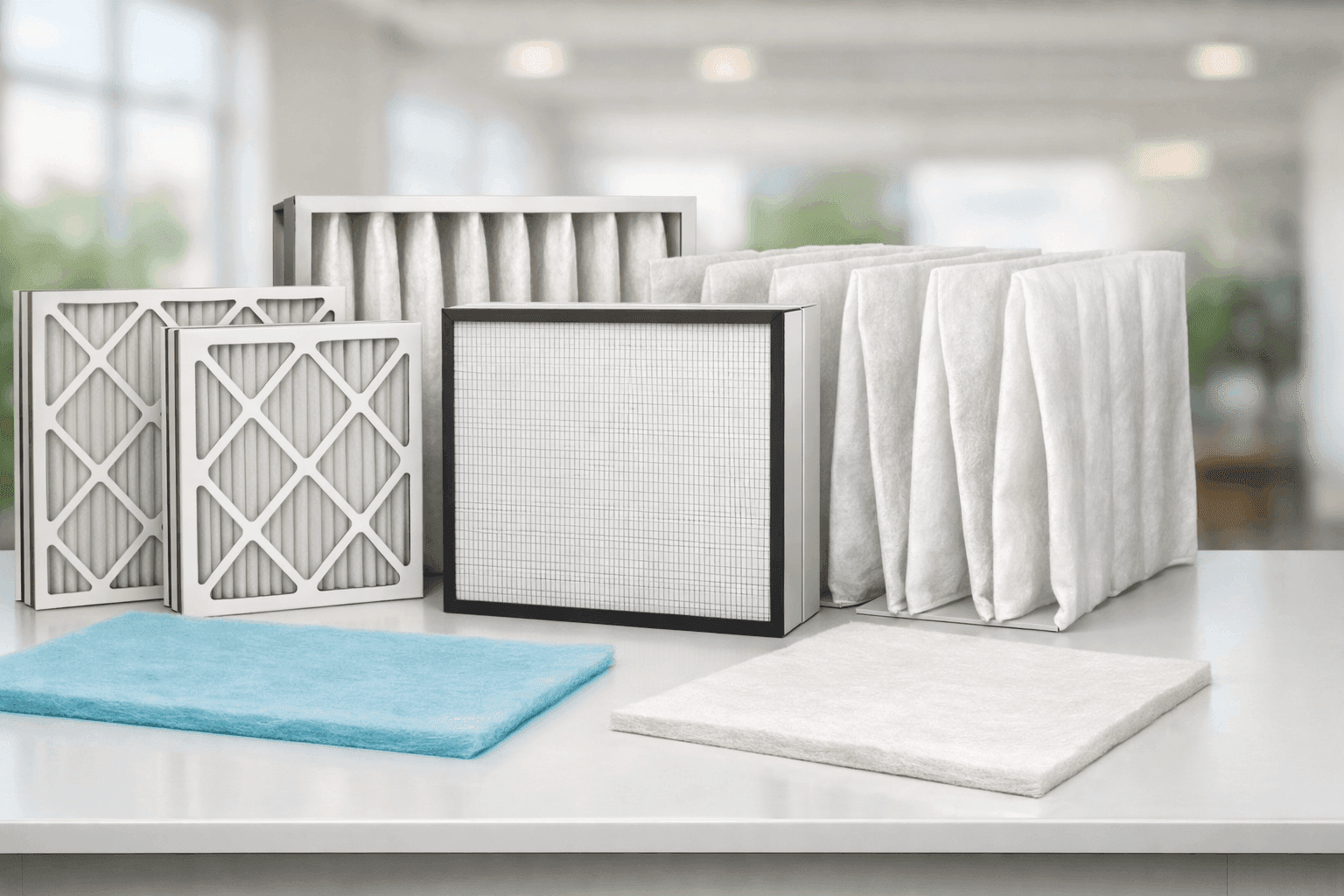
Choosing the right air filter for your home or business isn’t just another item on your to-do list. It’s the difference between clean, healthy air and a system that struggles to keep up. At Brama Cooling, we know that filter confusion is real—especially when you’re staring at a dozen choices in the aisle, all promising “better air.”
But filters aren’t one-size-fits-all. Your choice impacts air quality, system performance, and even your monthly utility bills. Let’s break down what matters, so you can breathe easier.
Air Filter Types
Start with the basics. Not all filters are created equal, and each type has its own set of strengths and compromises.
- Fiberglass filters: The budget option. Thin, disposable, and good for catching large dust particles. But don’t count on these to protect your lungs—or your HVAC system—from finer particles.
- Pleated filters: A step up in both price and performance. Pleated fabric or paper folds create more surface area, trapping smaller particles like pollen and pet dander.
- Electrostatic filters: Use static electricity to attract particles. Some are washable, making them appealing for those who want a reusable option.
- HEPA filters: The heavyweights. Capture 99.97% of particles as small as 0.3 microns, according to the U.S. Environmental Protection Agency (EPA). But they’re not always compatible with standard residential systems.
- Activated carbon filters: Specialize in removing odors and gases, great for homes with pets or strong cooking smells.
No filter is perfect for everyone. It’s about finding the right fit for your needs, your budget, and your HVAC system.
Understanding MERV Ratings 🏷️
Think of MERV (Minimum Efficiency Reporting Value) as a filter’s report card. It ranges from 1 to 20, with higher numbers catching smaller particles.
- MERV 1–4: Basic protection. Stops lint, dust, and carpet fibers. These are your fiberglass filters.
- MERV 5–8: Good for most homes. Blocks mold spores, pet dander, and most pollen.
- MERV 9–12: Better filtration. Captures auto emissions, fine dust, and some bacteria. Often recommended by allergists.
- MERV 13–16: Hospital-level. Blocks tobacco smoke, bacteria, and even some viruses.
- MERV 17–20: True HEPA territory, used in clean rooms and surgical suites.
The EPA suggests most residential systems work best with filters up to MERV 13. Anything higher may restrict airflow, making your system work harder—and costing you more in repairs.
When to Use HEPA
HEPA isn’t just a buzzword. If you or someone in your home has severe allergies, asthma, or a compromised immune system, a HEPA filter could be the right call.
But here’s the tradeoff: Most standard HVAC systems aren’t designed for the thick, dense material HEPA uses. Installing one without checking your system specs can cause pressure drops, overworking your blower, or even damaging your equipment. The Asthma and Allergy Foundation of America recommends consulting a professional before making the switch.
For many, a high-MERV pleated filter (MERV 11–13) delivers excellent air quality without overburdening your system.
How to Replace Filters
Changing your air filter is like changing the oil in your car. Skip it, and things get messy fast.
- Shut off your system: Safety first. Always turn off your thermostat before opening the filter compartment.
- Locate the filter: Usually found behind a return air vent or inside the air handler.
- Check the size: Printed on the old filter’s frame. Match it exactly.
- Note airflow direction: Arrows on the frame show which way to insert the new filter.
- Slide in the new filter: Secure it snugly. Don’t force it—an ill-fitting filter won’t do its job.
- Restart your system: Set a reminder to check the filter every 1–3 months, more often if you have pets or allergies.
The Real Cost: Air Quality vs. Equipment Protection
Air filters aren’t just about dust. They’re your first line of defense against pollen, mold, pet dander, and even some bacteria. But going overboard with filtration can starve your system of air, much like running a marathon while breathing through a straw.
- Budget filters (MERV 1-4): Lower upfront cost, but allow more debris into your system. This can clog coils and fans, increasing maintenance needs.
- Mid-range filters (MERV 8-13): Balance protection, cost, and airflow. Often recommended by HVAC manufacturers.
- High-end/HEPA: Superior filtration, but can require system modifications and increase energy bills.
The EPA notes that higher MERV ratings mean finer filtration, but also more resistance to airflow. Always check your manufacturer’s recommendations—using the wrong filter can void your warranty.
Quick Safety Checklist
- Always turn off power before replacing filters.
- Never use a filter not rated for your system.
- Replace filters more often in dusty environments, with pets, or during peak allergy seasons.
- If you notice increased dust or allergy symptoms, check your filter first.
Signs Your Filter Needs Changing
- Dust buildup near vents.
- Musty or stale odors.
- Higher energy bills (your system is working harder).
- The filter looks gray, clogged, or sagging.
A filter that’s overdue for replacement is like a strainer full of spaghetti—it just can’t do its job.
How Often Should You Replace Filters?
A good rule of thumb: Check your filter every month. Replace every 1–3 months, depending on:
- System use (summer and winter see more action)
- Presence of pets or smokers
- Allergies or respiratory conditions
- Local air quality and dust levels
Commercial buildings and high-traffic environments may need even more frequent changes. Scheduling regular HVAC Maintenance helps keep everything running smoothly.
Do-It-Yourself or Call a Pro?
Swapping out filters is usually a DIY job. But if you notice persistent dust, rising energy bills, or allergy flare-ups, it may be time for a thorough inspection. Hidden issues—like duct leaks or incorrect filter sizing—can undermine even the best filter.
Professional maintenance checks for airflow, system compatibility, and overall indoor air quality. If you’re unsure, Brama Cooling is here to help.
Prevention & Maintenance Tips
- Use a calendar or phone reminder for filter changes.
- Keep vents and returns clear of obstructions.
- Schedule annual system inspections with a licensed pro.
- Upgrade to a higher MERV filter during allergy or wildfire season.
A few small steps can mean fewer repairs and healthier air.
Common Mistakes to Avoid
- Using the wrong filter size—always match the manufacturer’s specs.
- Installing the filter backward (follow the arrows!).
- Forgetting to change filters—this strains both your system and your wallet.
- Choosing a filter with a MERV rating too high for your equipment.
Remember, more isn’t always better. The right filter is the one your system can handle.
Air Quality and Your Health
Poor air quality isn’t just an annoyance—it’s a health risk, especially for children, seniors, and those with asthma. According to the EPA, indoor air can be up to five times more polluted than outside air. A quality filter, combined with regular maintenance, is your best defense.
For those living in areas with high dust or pollen counts, or where wildfires are a concern, consider Filters designed for enhanced filtration.
Frequently Asked Questions
Will a better filter lower my utility bills?
A clean filter helps your system run efficiently, saving energy. But a filter that’s too restrictive can have the opposite effect.
Are washable filters worth it?
They can be, if cleaned regularly. But most don’t filter as effectively as pleated disposables.
Do filters remove odors?
Only activated carbon filters target odors and gases. Standard filters focus on particles.
Seasonal Considerations
- Spring & Fall: Pollen and dust levels spike. Check filters monthly.
- Summer & Winter: HVAC works overtime. Inspect filters before major temperature swings.
- Wildfire season: Use high-MERV or carbon filters for smoke and ash.
Don’t wait for allergy season to make a change.
Materials and Equipment Needed
- Replacement filter (sized for your unit)
- Screwdriver (if your return grill requires it)
- Flashlight (for hard-to-reach compartments)
- Gloves (for dusty jobs)
That’s it. Simple tools for a big impact.
Timeline & Disruption
Swapping a filter can take five minutes or less. The hardest part is remembering to do it. Set a regular schedule, and your HVAC will thank you.
Ready for cleaner air and a healthier home or business? Call Brama Cooling now — or reach us anytime at 888-840-5035 .