How to Choose the Best Location for Your Thermostat
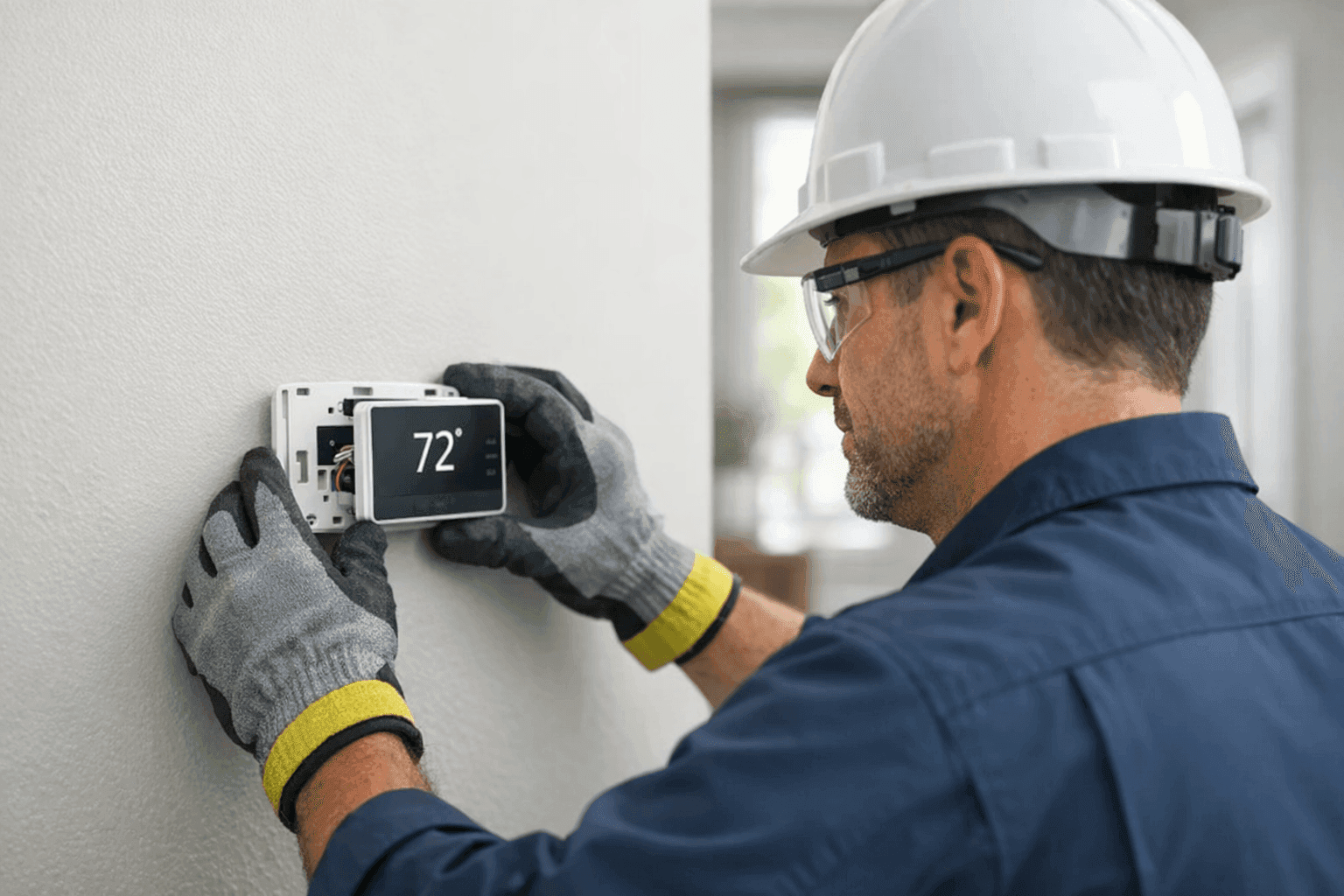
When your thermostat isn’t in the right spot, your home or business just can’t get comfortable. Hot and cold spots appear out of nowhere, and your cooling system works harder than it should. At Brama Cooling, we know just how much thermostat placement matters for both energy bills and everyday comfort.
If you’re adjusting the temperature more often than you’d like, or your AC seems to run non-stop, your thermostat location might be to blame. Here’s what every property owner should know about getting it right.
Why Location Matters 🌡️
Think of your thermostat as the “brain” of your entire cooling system. If it’s confused by drafts, direct sunlight, or heat from appliances, it sends the wrong signals to your AC. That means wasted energy and uneven comfort, both in homes and businesses.
ASHRAE (the American Society of Heating, Refrigerating and Air-Conditioning Engineers) and major thermostat manufacturers agree: good placement is critical. A well-placed thermostat lets your cooling system do what it does best—keep temperatures steady, save you money, and prolong equipment life.
Common Placement Mistakes
It’s easy to get wrong. Even experienced DIYers make these classic errors:
- Near windows or in direct sunlight: Sunbeams trick the thermostat into “thinking” the whole building is hotter than it is.
- Next to exterior doors: Drafts cool the thermostat’s sensors, causing the AC to run when it’s not needed.
- Above or near air vents: Blasts of hot or cold air cause rapid cycling, leading to wear and tear.
- Behind furniture or curtains: Blocked airflow means the thermostat can’t “sense” the true room temperature.
- Close to kitchens or bathrooms: Heat and humidity from cooking or showers throw off readings.
- In isolated hallways or corners: These areas may not reflect the comfort level in main living or working spaces.
Avoiding these mistakes is the first step toward smarter comfort.
Ideal Placement Guidelines
The best spot for your thermostat is more than just “somewhere in the hallway.” Use these proven guidelines:
- Central location: Install on an interior wall, roughly in the center of your most-used living or working area.
- Eye-level height: Mount about 52 to 60 inches above the floor—where most people feel the temperature.
- Away from heat sources: Stay several feet from lamps, TVs, computers, and other electronics.
- No direct sunlight: Choose a spot that doesn’t get sun at any time of day.
- Open airflow: Ensure nothing blocks the thermostat—no shelves, pictures, or bulky furniture.
Always check the manufacturer instructions for your specific model. Most recommend interior walls that aren’t near windows, exterior doors, or supply vents. For businesses, consider how traffic flows and where people gather most.
Quick Safety Checklist
Before you start moving or installing a thermostat, remember:
- Turn off power at the breaker to your HVAC system.
- Follow all manufacturer wiring instructions.
- Check for hidden wires or pipes inside the wall.
- Use a level for accurate mounting.
- If in doubt, call a licensed professional.
Safety first. Mistakes here can mean costly repairs or even risk of electrical shock.
Drafts, Heat, and Sunlight: The Main Offenders
Drafts, stray heat, and sunbeams are like trick mirrors for thermostats. They don’t show the true picture.
- Drafts (from doors, windows, or poorly sealed walls) cool the thermostat, making it run the AC longer than needed.
- Heat sources (like appliances or even sunlight) warm the sensor, fooling the system into shutting off too soon.
- Sunlight is especially sneaky—just a few minutes a day can throw off your settings for hours.
Avoiding these is key for “set it and forget it” comfort.
Thermostat Placement for Different Spaces
Every property is unique. Here’s how to adapt:
For Homes
- Place near main living areas, not in hallways that rarely see use.
- Avoid stairwells, as rising warm air can throw off readings.
- Don’t put in kitchens or bathrooms—humidity and heat skew results.
For Businesses
- Position where staff or customers spend most time.
- Avoid conference rooms that fill up only occasionally.
- In open-plan spaces, choose a spot that represents average conditions.
If you need help with more complex layouts, our HVAC Installation team can help find the right solution.
When to Reinstall Your Thermostat 🔄
Sometimes, moving your thermostat is the only way to boost efficiency and comfort. Consider reinstalling if:
- Your system runs too much or too little, even after maintenance.
- There are big temperature swings between rooms.
- You’ve renovated or changed your building layout.
- Your energy bills have climbed without explanation.
- You notice the thermostat is in one of the “bad” spots listed earlier.
If you’re unsure, a home energy audit or indoor air quality check can help pinpoint the issue.
DIY vs. Calling a Pro
Swapping out a thermostat might seem simple, but mistakes can lead to headaches. If you’re comfortable with wiring, have the right tools, and follow instructions, a DIY move is possible.
But for:
- Smart thermostats (with WiFi or zoning)
- Commercial systems
- Unusual wiring or old equipment
- Uncertain situations
…it’s wise to call a professional. A qualified technician will not only get the placement right, but also ensure your system is safe and up to code.
What Pros Do on Arrival
A professional from Brama Cooling will:
- Evaluate your floor plan and airflow patterns.
- Use tools to check for drafts, sun, and heat sources.
- Refer to both building codes and manufacturer guidelines.
- Test your system after installation to confirm performance.
- Explain any wiring upgrades or changes needed.
This attention to detail means no surprises down the road.
Prevention & Maintenance
Don’t set it and forget it—keep your thermostat and cooling system tuned:
- Dust the thermostat face regularly.
- Change batteries (if applicable) once a year.
- Test system response with seasonal changes.
- Schedule periodic HVAC maintenance to catch airflow or duct issues.
These habits extend not just the life of your thermostat, but your entire cooling system.
Costs & Time Factors
Moving a thermostat isn’t usually a huge project. For most homes, it takes under two hours. Costs depend on wiring complexity and drywall needs.
For businesses or when upgrading to smart thermostats, expect a bit more time. But the savings in comfort and efficiency usually pay off quickly.
When It’s an Emergency
If your thermostat completely stops working, your cooling system may not turn on—or may run non-stop. If you smell burning, hear buzzing from the unit, or notice sparking, shut off power immediately and call for emergency service.
Brama Cooling offers 24-hour emergency support. Don’t risk safety or comfort.
FAQ: Your Placement Questions Answered
Q: Can I put my thermostat in the bedroom?
A: Only if that’s where you spend most of your time. Otherwise, central living areas work best.
Q: Is the hallway a good spot?
A: Sometimes, but only if it reflects the temperature in your main spaces and isn’t near drafts or vents.
Q: My old thermostat was behind a door—should I move it?
A: Yes. Blocked airflow means inaccurate readings.
Q: Do modern smart thermostats need special placement?
A: They have similar needs, but some also need a strong WiFi signal.
Timeline & Disruption
Most residential moves cause minimal disruption. A pro can often relocate and patch the wall in a single visit. For businesses, scheduling after-hours work can prevent interruption.
Materials & Equipment
A typical install requires:
- Screwdriver and level
- Drill (for fresh holes)
- Wire labels
- Thermostat backplate and screws
- Low-voltage wiring (if extending)
- Wall patch and paint (if moving location)
Always use wire rated for HVAC use, and consult manufacturer specs.
Seasonal Considerations
Think ahead: In summer, sunlight patterns shift. A spot that’s shady in winter might get bright in July. Check your chosen location during all seasons for best results.
Additional Resources
For more technical guidelines, see ENERGY STAR and your thermostat manufacturer’s handbook. Local building codes may have extra requirements for commercial installations.
If you’re in Salina, you can always count on our cooling company for reliable help with thermostat placement and all your climate needs.
Ready for Comfort That Just Works?
A well-placed thermostat means less stress, lower bills, and a cooler space—literally. If you’re ready for a professional touch or just have questions, Brama Cooling is here to help.
Call Brama Cooling now — or reach us anytime at 888-840-5035 .