The Complete Guide to Filters: Types, Ratings, and Replacement
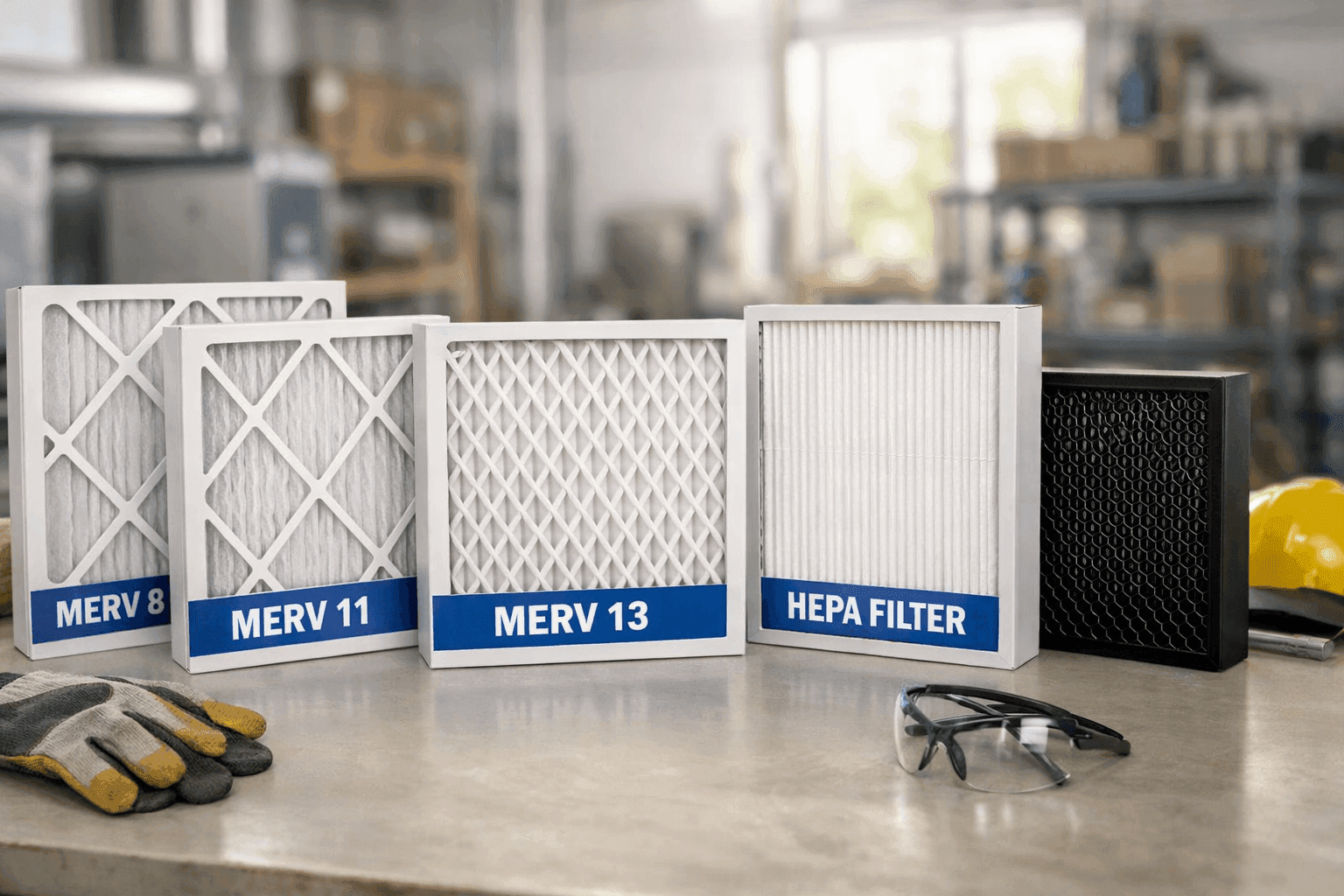
Everyone wants cleaner air inside—at home or at work. But have you ever wondered what actually keeps the dust, pollen, and particles from swirling through your vents? It all comes down to one small but mighty component: your filter. Ignore it, and your cooling system struggles. Stay on top of it, and your whole building breathes easier.
At Brama Cooling, we know filters are easy to overlook—until they’re not. This guide cuts through the haze. We’ll break down types, ratings, and what actually matters so you can make smart choices for your air and your equipment.
Common Filter Types
Walk into any hardware store and the options can feel endless. Yet, most filters fall into a few main camps. Each has its strengths—like players on a team, each with a different role.
- Fiberglass Filters: The starter choice. Thin, disposable, and budget-friendly. These catch big dust but don't snag tiny particles.
- Pleated Filters: More folds, more surface area. They trap smaller dust, pollen, and pet dander. A reliable upgrade for most homes and offices.
- HEPA Filters: The overachiever. High-Efficiency Particulate Air (HEPA) filters trap 99.97% of particles down to 0.3 microns. Hospitals use them. Some home systems can too (but not all—ask before you buy).
- Electrostatic Filters: These use a static charge to attract particles—like a balloon after you rub it on your shirt. Reusable options are available.
- Carbon Filters: Packed with activated carbon, these target odors and chemicals, not just dust. Great for spaces sensitive to smells or smoke.
- Washable Filters: Eco-friendly, reusable, but need regular cleaning. Not always as effective as pleated or HEPA models.
For commercial spaces, filter needs may change with occupancy, industry, or air quality rules. The right fit depends on your system and your air.
Understanding Ratings 🏅
Filters come with ratings, but what do those numbers mean? Think of them as a scorecard for performance.
- MERV (Minimum Efficiency Reporting Value): Ranges from 1–20. Higher numbers = finer filtration. For homes, MERV 8–13 is common. Hospitals often use MERV 16+.
- HEPA: Not just a high MERV—HEPA meets strict U.S. Department of Energy standards, trapping even the tiniest particles.
- Carbon Filters: Rated by their ability to absorb gases and odors, not by MERV. Often used in tandem with a particle filter.
The EPA recommends choosing a filter with a MERV rating high enough to capture common pollutants but not so high that it restricts airflow. Too dense a filter, and your cooling system strains—like trying to breathe through a straw.
Why Ratings Matter
- Low MERV (1–4): Stops only large debris. Not ideal for people with allergies.
- Medium MERV (5–8): Catches dust mites, mold spores, and pollen.
- High MERV (9–13): Blocks finer particles—smoke, pet dander, and some bacteria.
- HEPA: Used where top-tier indoor air quality is crucial.
Choosing the right rating means balancing filtration with your system’s airflow needs. Over-filtering is just as risky as under-filtering.
How to Choose the Best Filter for Your Space
It’s not just about “the best” filter—it’s about the best for you. Here’s what to consider:
- Allergies or Asthma? Go for higher MERV or HEPA (if your system allows).
- Pets or High Traffic? Pleated or electrostatic filters catch more dander and dust.
- Odor Issues? Add a carbon filter to your arsenal.
- Commercial Compliance? Check local codes and industry guidelines. Some spaces require minimum ratings.
Not sure? Ask a cooling specialist to inspect your system. At Brama Cooling, our team is trained to match filters to unique needs—keeping your air safe without overworking your equipment.
Replacement Schedules: When to Swap Out Your Filter
A filter’s job is dirty work. Leave it in too long, and your system can’t breathe.
General guidelines:
- Fiberglass filters: Every 30 days.
- Pleated filters: Every 60–90 days.
- HEPA/carbon: Check manufacturer instructions—often every 6–12 months.
- Commercial settings: More frequent checks, especially with higher occupancy.
Check monthly. Hold the filter up to the light. If you can’t see light pass through, it’s time. Always follow the manufacturer’s replacement advice for your system.
Signs Your Filter Needs Changing
Sometimes, your filter will tell you it’s overdue—even if you forget the calendar.
- Dust buildup around vents or on furniture
- Allergy symptoms acting up
- Musty or stale indoor air
- Higher energy bills (your system works harder with a clogged filter)
- Visible dirt or discoloration
If you notice any of these, swap the filter sooner rather than later.
Quick Safety Checklist Before You Change a Filter
- Turn off your HVAC system.
- Wear gloves and a mask if you’re sensitive to dust.
- Check the direction of airflow (an arrow on the filter frame shows you).
- Insert the new filter snugly, following the arrows.
- Restart your system and listen for odd noises.
Simple steps, big impact.
DIY vs. Call a Pro
Changing a basic filter is a DIY win. But not every filter is easy to reach, and some require tools or special handling.
Call Brama Cooling if:
- You have a complex or high-efficiency system
- The filter is hard to access
- You’re unsure about the right filter type
- You want a whole-system checkup (including duct cleaning or HVAC Maintenance)
What Pros Do On Arrival
When you book a filter service, our cooling specialists do more than just swap parts.
- Inspect for air leaks or blockages
- Check fit and compatibility
- Evaluate airflow and system health
- Recommend schedules tailored to your usage
We follow manufacturer guidelines and EPA best practices for every visit.
Prevention & Maintenance
Staying ahead of filter changes is the secret to healthy air and efficient cooling. Set reminders, mark the calendar, or sign up for regular service. Clean filters mean:
- Fewer repairs
- Lower bills
- Longer equipment life
It’s one of the simplest, most cost-effective steps in filters and overall HVAC care.
Costs & Time Factors
Most home filters cost $5–$40. High-end or commercial options run higher. The real expense? Ignoring replacements. Clogged filters spike energy use and can damage your cooling equipment.
Changing a filter usually takes less than five minutes. But that five minutes protects your indoor air quality for weeks.
When It’s an Emergency
A forgotten filter won’t always trigger sirens, but in some cases, it’s urgent.
- Your AC or furnace overheats or shuts down
- Airflow drops to a trickle
- Burning or chemical smells
- Visible mold on the filter
If you spot these, turn off your system and call for 24-hour emergency service.
Seasonal Considerations 🍂
Spring pollen, summer heat, fall leaves, winter dust—each season brings new air challenges.
- Change filters more often during allergy season or after renovations.
- Check filters after wildfires or heavy smoke events.
- For vacation homes, change the filter before and after extended absences.
Common Mistakes to Avoid
- Using the wrong size or type
- Forgetting the airflow arrow
- Waiting for visible dirt (many pollutants are invisible)
- Over-filtering (choosing a MERV too high for your system)
When in doubt, check your owner’s manual or reach out to a cooling company you trust.
FAQ: Your Filter Questions Answered
Can I upgrade to a HEPA filter in any system?
Not always. Some systems can’t handle the dense airflow restriction. Check with a pro first.
Is more expensive always better?
Not necessarily. The right fit depends on your needs, system, and budget.
Should I use both carbon and pleated filters?
In some setups, yes—especially for odor control or chemical sensitivities.
Timeline & Disruption
Replacing a filter is quick and low-disruption. For business owners, schedule filter changes during off-hours to minimize impact. In homes, it’s as easy as changing a lightbulb.
Materials/Equipment You’ll Need
- The correct replacement filter (check size and type)
- Gloves and a mask (optional, but good for sensitive lungs)
- Flashlight to inspect hard-to-see areas
No special tools for most home systems.
Indoor Air Quality and Your Health
A clean filter is your first line of defense. According to the EPA, indoor air can be two to five times more polluted than outdoor air. Filters matter—especially for kids, seniors, or anyone with breathing issues.
If you’re in the area and looking for routine HVAC Maintenance, Brama Cooling is ready to help keep your system and air filters working their best.
Call Brama Cooling now — or reach us anytime at 888-840-5035 .