The Cost of AC Repair: What Homeowners Should Expect
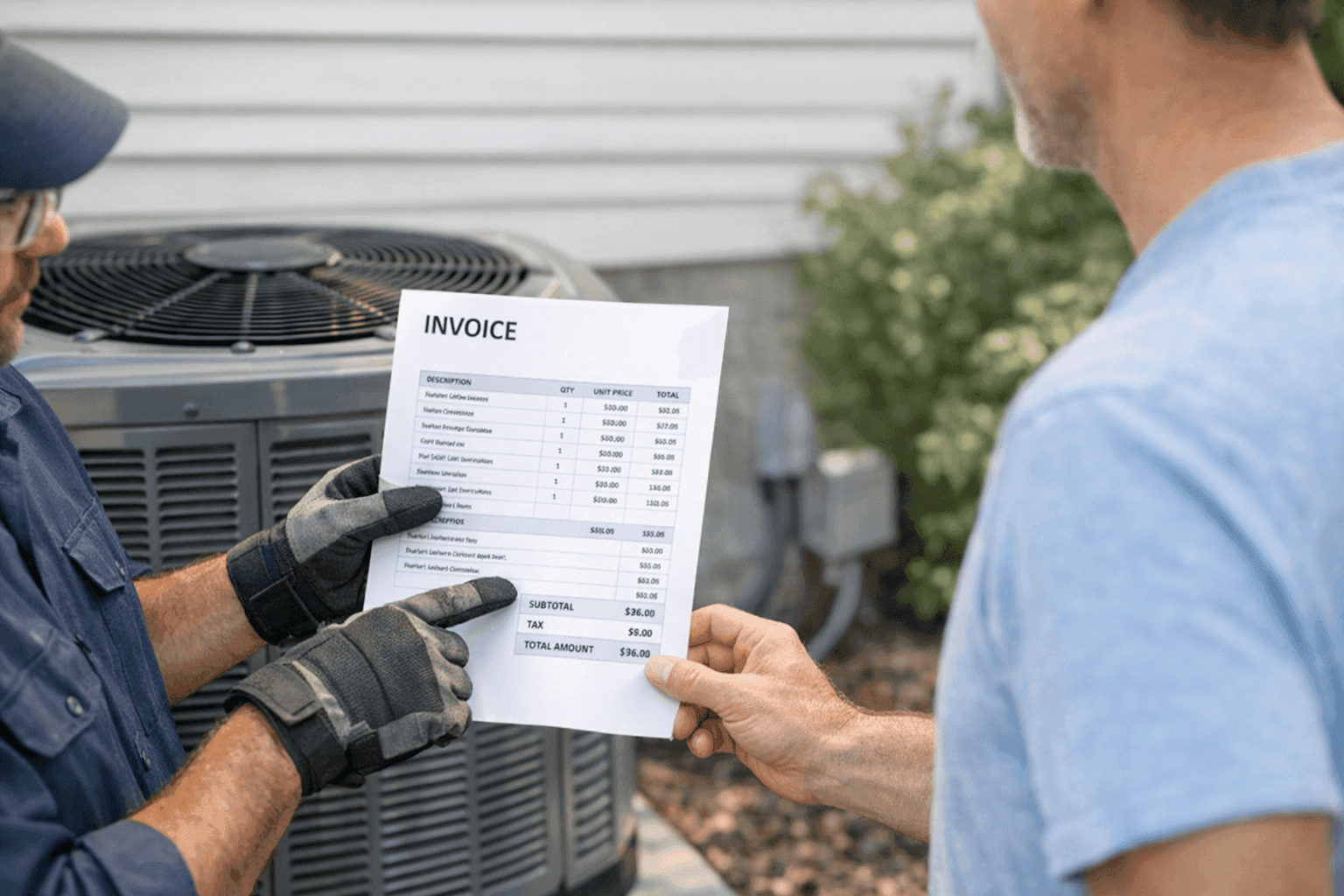
When Your AC Fails, It’s Never at a Good Time
It’s sweltering outside. You turn the thermostat down, expecting relief. Instead, you get silence—or worse, a strange grinding noise. You need your cooling back, fast, but the big question hangs in the air: How much is this going to cost?
At Brama Cooling, we know how stressful sudden AC breakdowns can be. Homeowners and businesses rely on their cooling to keep life and work comfortable. Let's break down what you can expect when it comes to AC repair costs—and how to avoid surprises.
Common AC Repairs and Costs
Every AC issue is different. Some fixes are quick and simple, like replacing a worn capacitor or thermostat. Others, like a failed compressor, can feel as daunting as replacing the transmission in your car.
Here are the most common repairs and their typical cost ranges (labor and parts included):
- Thermostat replacement: $120–$350
- Refrigerant recharge: $200–$600 (varies by type and amount)
- Capacitor or contactor replacement: $100–$400
- Fan motor repair or replacement: $300–$700
- Compressor repair or replacement: $1,000–$2,500
- Air filter replacement: $20–$80
- Duct cleaning: $400–$1,000 (for whole home systems)
These numbers are ballpark figures. The real cost for your system may differ based on your AC model, part availability, and local labor rates.
What Affects Pricing? 🛠️
Think of AC repair costs like peeling an onion. There are layers:
- Parts: Older or specialty systems may need pricier or hard-to-find parts.
- Labor: Emergency calls, after-hours service, or work in tough-to-reach spaces can add to the bill.
- System Size & Age: Larger or older units might require more time, special parts, or even code upgrades.
- Warranties: If your system or parts are under warranty, you might only pay for labor—or nothing at all for that component.
- Diagnosis Complexity: Some issues are quick to spot. Others need deep troubleshooting, which takes time.
The U.S. Department of Energy recommends regular HVAC maintenance to help spot minor issues before they turn major—and expensive.
DIY vs Professional Repair
You might be tempted to tackle minor AC fixes yourself. Changing an air filter or resetting the thermostat? That’s usually safe for a handy homeowner. But when it comes to electrical parts, refrigerant, or anything involving the system’s core, it’s a different story.
Modern ACs are as complex as a car’s engine. What seems like a simple fix can snowball into bigger problems if not handled correctly. For example:
- Mishandling refrigerant is both dangerous and illegal without proper certification (EPA Section 608).
- Incorrect wiring can damage the unit—or pose a fire hazard.
- DIY repairs can void manufacturer warranties.
When in doubt, call for professional help. It’s safer, and often more cost-effective in the long run.
How to Get an Accurate Estimate
No one likes surprise charges. At Brama Cooling, transparency is the name of the game. Here’s how you can help ensure your estimate matches your final bill:
- Describe the Symptoms: Share what you hear, see, or smell. Strange noises, uneven cooling, or leaks matter.
- Know Your System: Have the brand, model, and age handy when you call.
- Ask for a Written Estimate: Reputable companies provide details up front—parts, labor, and any potential extras.
- Inquire About Diagnostic Fees: Some repairs require in-depth troubleshooting, which may be billed separately.
- Review the Warranty: Check if your unit or parts are covered. Bring this info to the appointment.
Looking for AC Repair in your area? Having clear details ready can speed up the process and help you compare quotes accurately.
The Real Cost of Waiting
Delaying a needed repair can turn a minor fix into a costly overhaul. A failing capacitor, for example, can put strain on other parts. Leaky ducts can force your system to work harder, spiking your energy bills.
Staying on top of AC Maintenance helps catch these issues early. Think of it like changing the oil in your car—it keeps your cooling running efficiently and extends its life.
Understanding Labor: Why the Clock Matters
Labor isn’t just about the time a technician spends at your home. It covers:
- Diagnostic time (finding the root cause)
- Travel and setup
- Actual repair work
- Testing and cleanup
Some jobs take longer because of where your AC is located—tight attics, crawlspaces, or rooftops add complexity.
Parts: The Price Behind the Piece
Not all parts are created equal. Generic components might be cheaper, but using the manufacturer’s recommended parts ensures reliability and safety.
For instance:
- Thermostats near you may range from basic digital replacements to smart, programmable units.
- Motors or compressors for newer, high-efficiency systems may carry a premium but deliver cost savings in the long run.
Warranties: Are You Covered?
Before approving any repair, check your warranty paperwork:
- Manufacturer warranties may cover parts for 5–10 years, but often not labor.
- Extended warranties or home service plans sometimes pick up more of the tab.
- Be sure to use a licensed HVAC contractor—as required by most warranties—to avoid voiding your coverage.
Is It an Emergency? After-Hours and Urgent Repairs
If your AC quits on a holiday or during a weekend heatwave, emergency service calls can cost extra. Some signs it’s urgent:
- Burning smells or smoke
- Electrical sparks
- Complete system shutdown during dangerous weather
- Water leaks that could cause property damage
Brama Cooling offers 24-hour emergency service, so help is always available when you need it most.
How Long Will Repairs Take?
Most common repairs—from swapping out a thermostat to fixing a contactor—can be done in a single visit, often in under two hours. More complex fixes (like compressor replacement or major ductwork) may require special ordering parts and a return visit.
Your technician will outline the timeline during your estimate.
Preventing Repairs: Maintenance Matters
Routine AC maintenance is your best defense against surprise breakdowns and high repair bills. A seasonal tune-up includes:
- Cleaning coils and filters
- Checking refrigerant levels
- Tightening electrical connections
- Inspecting ductwork
The U.S. Environmental Protection Agency (EPA) and ENERGY STAR both recommend annual professional maintenance for optimal performance and safety.
Signs Your AC Needs Attention 🕵️
Don’t ignore these red flags:
- AC blows warm air or doesn’t cool evenly
- Unusual noises—grinding, squealing, or banging
- Unexplained spikes in energy bills
- Water pooling around the unit
- Odd smells (burning, musty, or chemical scents)
Spotting these early can save you money and prevent bigger repairs.
What Sets Brama Cooling Apart
We believe in clear, up-front pricing. Our technicians explain every step—no hidden fees, no confusing jargon. We’ll walk you through your options, whether it’s a quick fix or a larger repair.
What You Can Do Right Now
- Change your air filter every 1–3 months
- Keep vents and outdoor units clear of debris
- Schedule routine AC Maintenance
- Watch for warning signs and act quickly
If you’re searching for cooling solutions or cooling services, Brama Cooling is here to help.
Final Thoughts: Budgeting with Confidence
No homeowner wants to be caught off guard by an AC repair bill. By understanding typical costs, what drives prices, and how to get a solid estimate, you can make decisions with clarity—not panic.
Questions? Need fast, transparent AC repair?
Call Brama Cooling now — or reach us anytime at 888-840-5035 .