Dehumidifiers vs Humidifiers: What’s Best for Your Space?
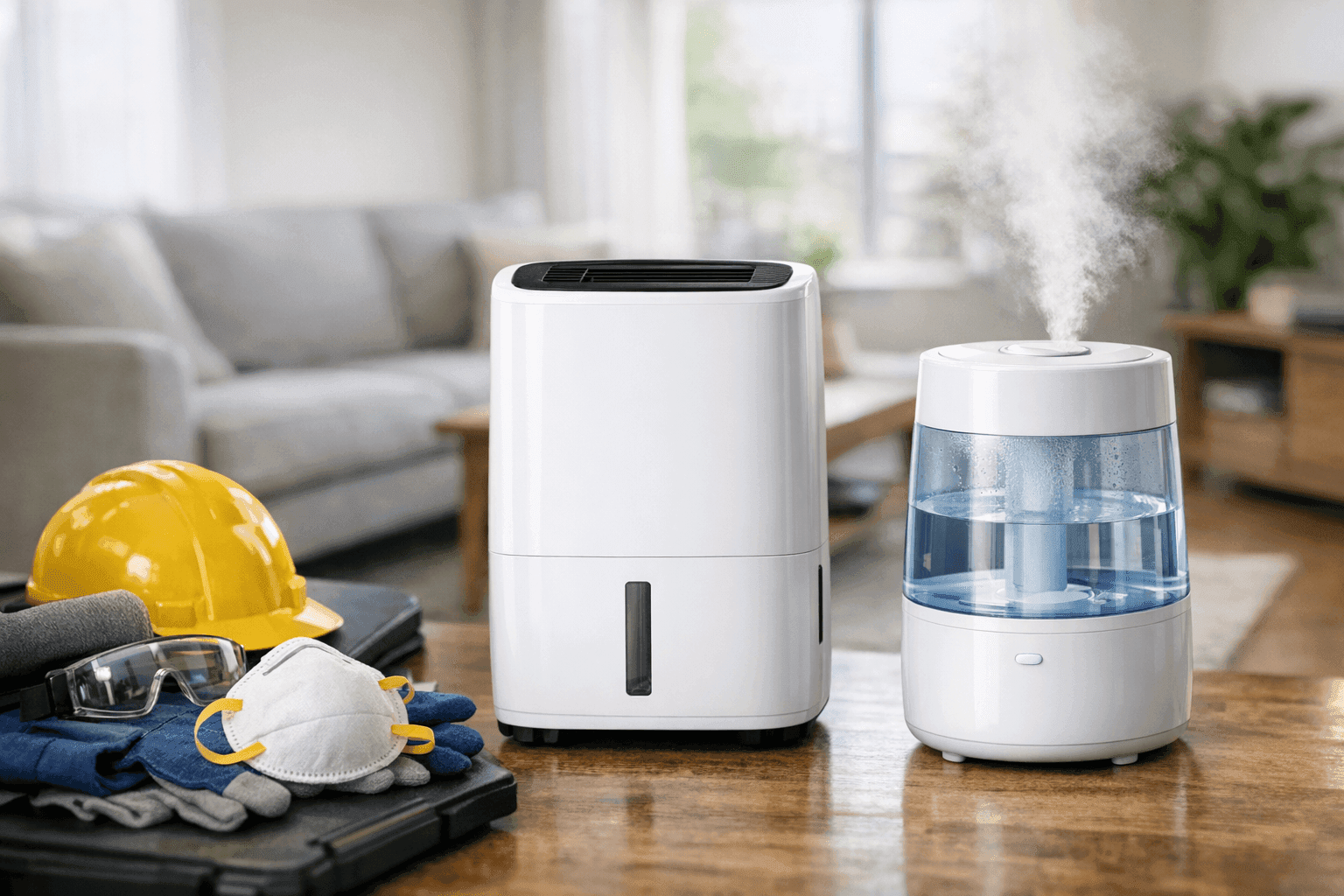
Is your air too dry, or does the humidity hang in the air like a wet towel? Most people don't think about indoor humidity—until their comfort or health takes a hit. At Brama Cooling, we help homes and businesses find that “just right” balance, using the right tools for the job.
Humidity control isn’t just about comfort. It’s about protecting your air, your health, and even your building. Let’s break down what dehumidifiers and humidifiers really do, and how to decide which one your space needs.
Why Humidity Matters 🌡️
Humidity is like the seasoning of indoor air. Too little, and everything feels dry—your skin, nose, even your furniture. Too much, and the air gets heavy, sticky, and can even smell musty.
According to the Environmental Protection Agency (EPA), the ideal indoor humidity level is between 30% and 50%. This range helps prevent mold, dust mites, and respiratory problems, while keeping you comfortable.
But why does it matter? Here’s what happens when humidity is off-balance:
- Low humidity: Static shocks, cracked wood floors, dry skin, aggravated allergies.
- High humidity: Mold growth, musty odors, peeling paint, worsened asthma or allergies.
The right humidity is a shield—guarding your health and your building’s bones.
Dehumidifier vs. Humidifier: What’s the Difference?
Think of a dehumidifier as a sponge and a humidifier as a gentle rain. A dehumidifier pulls excess water from the air, making the space drier. A humidifier adds moisture, like a light mist, to bring levels up.
- Dehumidifiers are vital in muggy basements, bathrooms, or anywhere condensation is an issue. They help fight mold and can make air conditioning more effective.
- Humidifiers are heroes in winter or dry climates, where heat strips the air of all moisture.
It’s not one-size-fits-all. The right choice depends on your specific air and your building’s needs.
Signs You Need a Dehumidifier
How do you know if your air is too wet? Watch for these clues:
- Windows sweating or fogging up.
- Musty smells that linger, especially after rain.
- Mold or mildew spots on walls or ceilings.
- Sticky feeling in the air, even with the AC running.
- Wood furniture or floors starting to warp.
If any of these happen, your space is crying out for a dehumidifier. Check out our dehumidifiers page for more details.
Signs You Need a Humidifier
On the flip side, air that’s too dry is just as uncomfortable:
- Dry, itchy skin and cracked lips.
- Frequent static electricity—zaps when you touch doorknobs or electronics.
- Sore throats and nosebleeds, especially in winter.
- Houseplants wilting, even with regular watering.
- Wooden furniture or floors cracking.
Sound familiar? You might need a humidifier to bring balance back. Learn more about options on our humidifiers service page.
Health Risks of Poor Indoor Humidity
Humidity isn’t just about comfort—it’s about well-being. Too much or too little can:
- Worsen asthma and allergies, according to the American Lung Association.
- Increase risk of respiratory infections.
- Encourage mold, dust mites, and bacteria.
- Cause dry eyes, skin, and throat.
Kids, seniors, and anyone with breathing conditions are especially vulnerable. Indoor air quality is a silent factor with loud effects.
DIY or Call a Pro? What You Can Do—And When to Ask for Help
Sometimes, small issues can be solved with a portable unit or a quick filter change. But if the problem keeps coming back—or if you notice mold, water damage, or unexplained health symptoms—it’s time to call in the pros.
At Brama Cooling, we use precision tools to measure humidity, inspect ventilation, and recommend the right fix. We also handle full system installations, from standalone humidifiers to whole-home dehumidifiers.
How the Pros Tackle Humidity Issues
Here’s what you can expect when you call a professional:
- Assessment: Measuring your current humidity with specialized instruments.
- Inspection: Checking for leaks, insulation gaps, or blocked vents.
- System Recommendation: Suggesting the right-size unit for your space.
- Safe Installation: Following manufacturer specs and local safety codes.
- Education: Showing you how to use and maintain your new system.
No guesswork. Just clear steps and results you can feel.
Maintenance Tips for Long-Lasting Performance 🛠️
Don’t set it and forget it! Both dehumidifiers and humidifiers need regular care:
- Empty water tanks (for portable units) before they overflow.
- Change or clean filters monthly, or as directed by the manufacturer.
- Wipe down surfaces to prevent mold growth inside the unit.
- Inspect hoses and connections for leaks.
- Schedule annual checks with a professional—especially for whole-home systems.
Think of maintenance like brushing your teeth. It’s a small step that saves big headaches later.
Quick Safety Checklist
Before you plug in that new unit:
- Make sure it’s UL-listed and suitable for your room size.
- Place units on a flat, stable surface—never balance on a shelf.
- Keep away from drapes, bedding, or anything flammable.
- Use only distilled water in humidifiers to prevent mineral buildup.
- Always unplug before cleaning.
Safety first keeps your air clean and your home protected.
Common Mistakes and How to Avoid Them
It’s easy to go overboard. Here’s what to watch out for:
- Running units nonstop: Too much of a good thing can swing humidity the other way.
- Ignoring maintenance: Dirty filters can spread allergens or even mold.
- Placing units in the wrong spot: Don’t block vents or hide them behind furniture.
- Skipping humidity checks: Use a hygrometer to keep tabs on your levels.
A little attention goes a long way.
Costs and Time Factors
Costs vary. Portable units are affordable, but may only cover one room. Whole-home systems cost more upfront, but protect your entire space and often use less energy over time.
Installation usually takes a few hours. Maintenance? Just a few minutes a month. Compared to the cost of repairing mold damage or replacing cracked wood, it’s a smart investment.
When Humidity Problems Are an Emergency
Call for help right away if you notice:
- Visible mold spreading rapidly.
- Water pooling around windows, walls, or floors.
- Electrical outlets or equipment getting damp.
- Severe allergic reactions or breathing trouble in the space.
These are signs of urgent problems that need professional attention—fast.
Seasonal Considerations
Humidity needs change with the seasons:
- Winter: Air dries out as heaters run. Humidifiers help keep things comfortable.
- Summer: Rain and AC use can make air sticky. Dehumidifiers step in to keep things dry.
Adjust your settings or usage as the weather changes. A programmable thermostat can help you keep conditions stable—find “Thermostats near you” for year-round comfort and control.
Frequently Asked Questions
How do I know if my humidity is in the right range?
Use a hygrometer—a small, affordable gadget found at most hardware stores.
Can one device do both jobs?
No. Each is designed for specific needs. Some HVAC systems can balance air, but humidifiers and dehumidifiers are specialized.
Is it safe to run these all the time?
It’s best to monitor and adjust. Overuse can cause problems, just like underuse.
Does my location matter?
Absolutely. Climate, building type, and even how many people are in the space all factor in. If you’re in a city like Duluth, where humidity swings with the seasons, you may need both at different times. For more on this, see our services for cooling specialists.
Prevention Is Key: Steps to Healthier Air
- Check humidity levels monthly.
- Change filters regularly.
- Keep vents and ducts clean.
- Schedule professional maintenance for your HVAC and air quality systems.
- Don’t ignore early warning signs—tackle moisture or dryness before it becomes a bigger issue.
Choosing the Right System for Your Space
The right solution depends on:
- Size of your home or business.
- Number of people and pets.
- Local climate.
- Existing HVAC system.
- Any existing problems (mold, allergies, building damage).
A professional assessment can save you time and money—and ensure you’re not just treating the symptom, but the cause.
Ready to Breathe Easier?
Finding the perfect balance isn’t guesswork. It’s science, strategy, and a little bit of care. Whether you need to tame the damp or bring back life to dry winter air, Brama Cooling is here to help you get it right—for your comfort and your health.
Call Brama Cooling now — or reach us anytime at 888-840-5035 .