How to Tell If Your Home Needs an Energy Audit
Is your home feeling drafty even when the heat’s cranked up? Do your energy bills make you wince every month, with no clear reason why? You’re not alone. Many homeowners and businesses face the same struggle, trying to keep comfortable without breaking the bank.
At Brama Cooling, we help people figure out what’s really going on behind the walls, in the attic, and through the vents. An energy audit could be the game-changer you need. Let’s break down how to tell if your space could benefit—and why a certified pro makes all the difference.
What Is an Energy Audit? 🏠
An energy audit is like a health checkup for your building. Instead of stethoscopes and thermometers, certified technicians use advanced tools—like infrared cameras and blower doors—to see where your home is losing its cool (or heat). It’s a systematic process, looking at insulation, HVAC systems, windows, doors, appliances, and even the tiny gaps you can’t see.
Think of it as detective work. Every room, every crevice gets a closer look. The goal? Pinpoint the trouble spots so you can make cost-effective changes, improve comfort, and boost long-term savings.
What’s typically inspected:
- Attic and wall insulation
- AC and heating systems
- Ductwork and air balancing
- Windows and exterior doors
- Appliances and lighting
- Ventilation, dehumidifiers, humidifiers, and air purifiers
A thorough audit reveals if you’re paying extra to heat or cool the great outdoors. And with pros who understand building science and local safety guidelines (like those from the Residential Energy Services Network), you’ll get recommendations you can actually trust.
Key Warning Signs Your Home Needs an Audit
Wondering if now’s the time to schedule an audit? Watch for these red flags:
- Sky-high utility bills: If your costs keep rising for no clear reason, hidden inefficiencies may be to blame.
- Drafts: Feel cold spots near windows, doors, or floors? Air leaks often sneak in where you least expect.
- Uneven temperatures: Some rooms are chilly; others feel like a sauna. That’s usually a sign of poor air balancing or insulation gaps.
- Humidity headaches: Too humid in summer, desert-dry in winter? This often ties back to ventilation, dehumidifiers, and HVAC performance.
- Dust buildup: Excess dust or musty smells can point to leaky ducts or clogged filters.
- Old or noisy systems: If your AC, furnace, or mini-splits sound like a freight train, they’re likely working harder than they should.
If any of these feel familiar, an energy audit can shed light on what’s happening out of sight.
The Energy Audit Process: What to Expect
No two homes are exactly alike, but a professional audit follows a clear roadmap.
Step-by-step:
- Initial interview: The technician asks about your comfort issues, bills, and problem spots.
- Exterior inspection: Checking outside walls, rooflines, attic vents, and window seals.
- Blower door test: This powerful fan temporarily fits in an exterior door. It pulls air out, revealing leaks by measuring airflow and pressure changes.
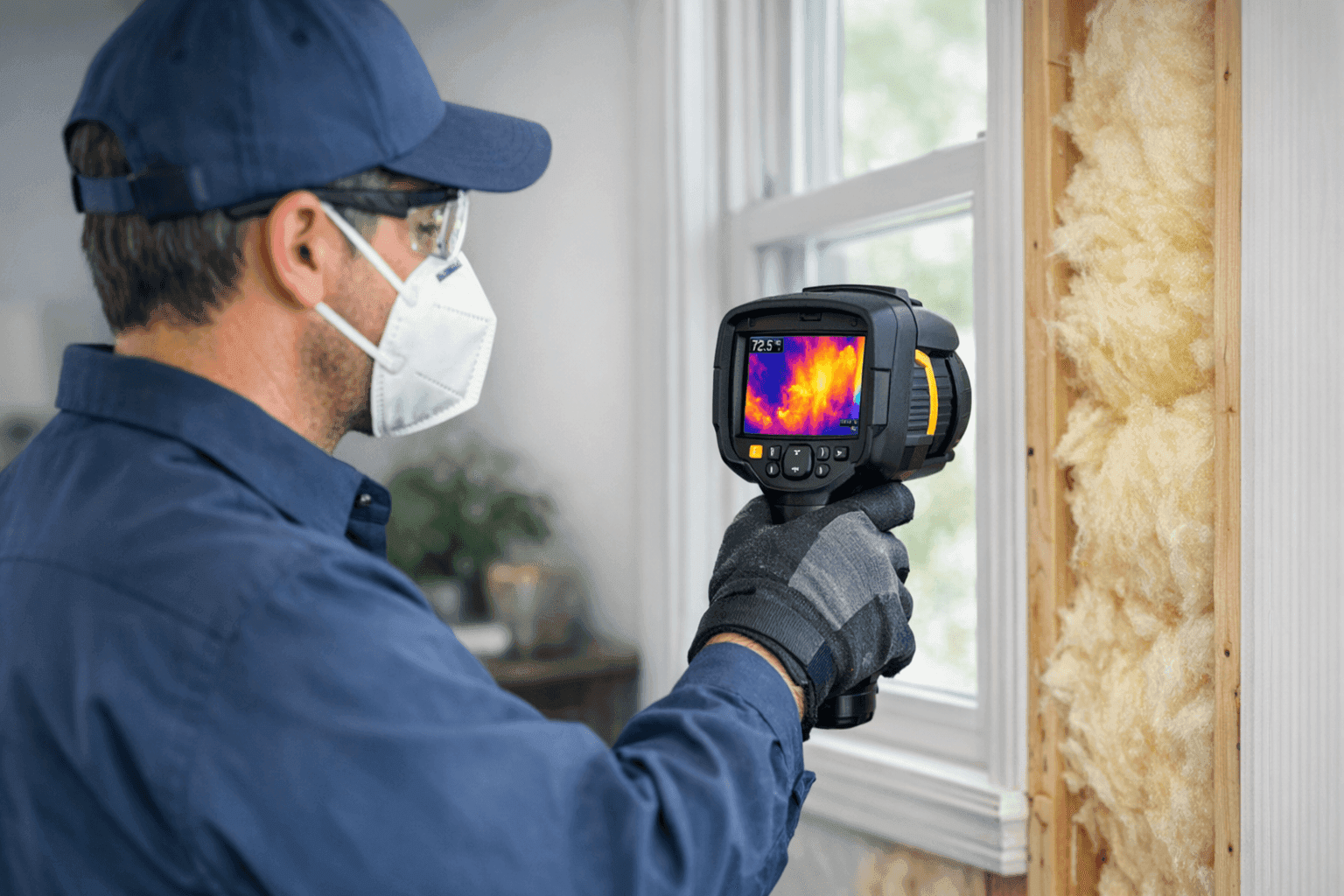
- Infrared scanning: A thermal camera highlights hot and cold zones inside walls and ceilings—visible proof of insulation gaps or hidden leaks.
- Duct and ventilation check: Technicians inspect for kinks, gaps, or blockages in your HVAC system.
- Equipment assessment: All major appliances, including thermostats, generators, and air scrubbers, are tested for efficiency and safety.
- Review and recommendations: You’ll get a plain-English report, outlining where energy is slipping away and which fixes give the biggest bang for your buck.
Expect the process to take a few hours, depending on your home’s size and complexity.
Why Professional Tools Matter
You can walk your house with a candle or smoke stick, but those old-school tricks only scratch the surface. Certified energy auditors use gear that finds leaks invisible to the naked eye—like thermal imaging cameras and precision pressure gauges. This means fewer guesses, more hard data, and better solutions.
Proper testing also keeps your home safe. For example, gas appliances and generators must be checked for backdrafts to prevent carbon monoxide risks. Brama Cooling’s technicians follow all EPA and ASHRAE guidelines for indoor air quality and safety.
DIY vs. Call a Pro
Some fixes are in reach—like weatherstripping doors or swapping out a dirty filter. But most energy loss hides where you can’t see or easily access.
DIY is fine for:
- Replacing filters
- Sealing obvious gaps around windows/doors
- Setting programmable thermostats
Call a professional when:
- You suspect big insulation gaps or leaky ducts
- Your HVAC system is older or acting up
- You want a full picture of your home’s efficiency
Pros bring specialized training and equipment, giving you a roadmap—not just a guess.
Quick Safety Checklist for Homeowners
Before your audit, take five minutes to check these basics:
- Are vents and returns open and unblocked?
- Is your thermostat set correctly (and working)?
- Any unusual smells near appliances or vents?
- Are all smoke and carbon monoxide detectors working?
If you spot a major concern—like a burning smell or a persistent gas odor—call for emergency help immediately.
How Energy Loss Impacts Your Comfort and Wallet
Energy leaks are like leaving a window cracked on a winter night. Your heat (or cool air) escapes. Your furnace or AC works overtime. The result? Higher costs and less comfort.
Small leaks add up fast, especially in older buildings or those with outdated windows and insulation. Over time, you pay far more trying to compensate than you would fixing the root cause.
What Pros Do On Arrival
When a Brama Cooling auditor arrives, expect a thorough, respectful process. The technician will:
- Listen to your concerns first
- Explain each tool and test before starting
- Move carefully through your home or business, minimizing disruption
- Share immediate findings and answer all your questions
It’s not just about numbers on a report. It’s about helping you feel comfortable and in control.
Common Mistakes to Avoid
It’s easy to overlook these pitfalls:
- Ignoring drafty rooms or high bills, hoping they’ll fix themselves
- Skipping regular HVAC Maintenance
- Relying only on DIY fixes when bigger issues are at play
- Delaying an audit until there’s a serious breakdown
Proactive steps save you hassle, money, and stress down the road.
Energy Audits for Businesses
Commercial buildings face unique challenges. From large HVAC systems to extensive ductwork and automation, even small inefficiencies can mean big dollars lost each month.
A professional energy audit can help your business:
- Lower operating costs
- Improve indoor air quality for employees and customers
- Meet sustainability goals and local code requirements
Brama Cooling’s team is trained to handle both residential and commercial needs—so every square foot works smarter, not harder.
Seasonal Considerations: When’s the Best Time?
Any season works, but spring and fall are ideal. Extreme temperatures make leaks and system problems easier to spot. Plus, you’ll have time to address issues before peak heating or cooling bills hit.
Costs & Time Factors
An energy audit is an investment, not an expense. Costs depend on your property’s size and complexity. Most audits take two to four hours. The savings from fixing issues often pay back the audit cost within a year.
Timeline & Disruption: What You Need to Know
Worried about mess or downtime? Most audits involve little disruption. Technicians need clear access to attics, basements, and mechanical rooms. Pets should be secured. Otherwise, you can go about your day while we work.
Prevention & Maintenance: Keeping Efficiency High
After your audit, regular tune-ups and filter changes help you lock in savings. Sign up for scheduled home energy audits or annual HVAC checkups to keep your systems running strong.
Frequently Asked Questions
How often should I get an energy audit?
Every 3–5 years, or after major renovations, is a good rule of thumb.
Can an audit help indoor air quality?
Absolutely. Audits identify ventilation and filtration issues that can affect health and comfort.
Is this just for older homes?
No. Even new builds can have hidden leaks or underperforming systems.
Do I have to do all the repairs?
No. You’ll get recommendations, but you decide which fixes to tackle first.
Ready to Take Control of Your Energy Use?
Don’t let hidden leaks and inefficiencies drain your comfort—or your wallet. If you’re noticing drafts, high bills, or uneven temperatures, it’s time to take a closer look. Brama Cooling’s certified team is here to help, whether you’re a homeowner or a business owner. We even serve the area’s cooling specialists in Appleton for your convenience.
Call Brama Cooling now — or reach us anytime at 888-840-5035 .