How to Extend the Life of Your AC System
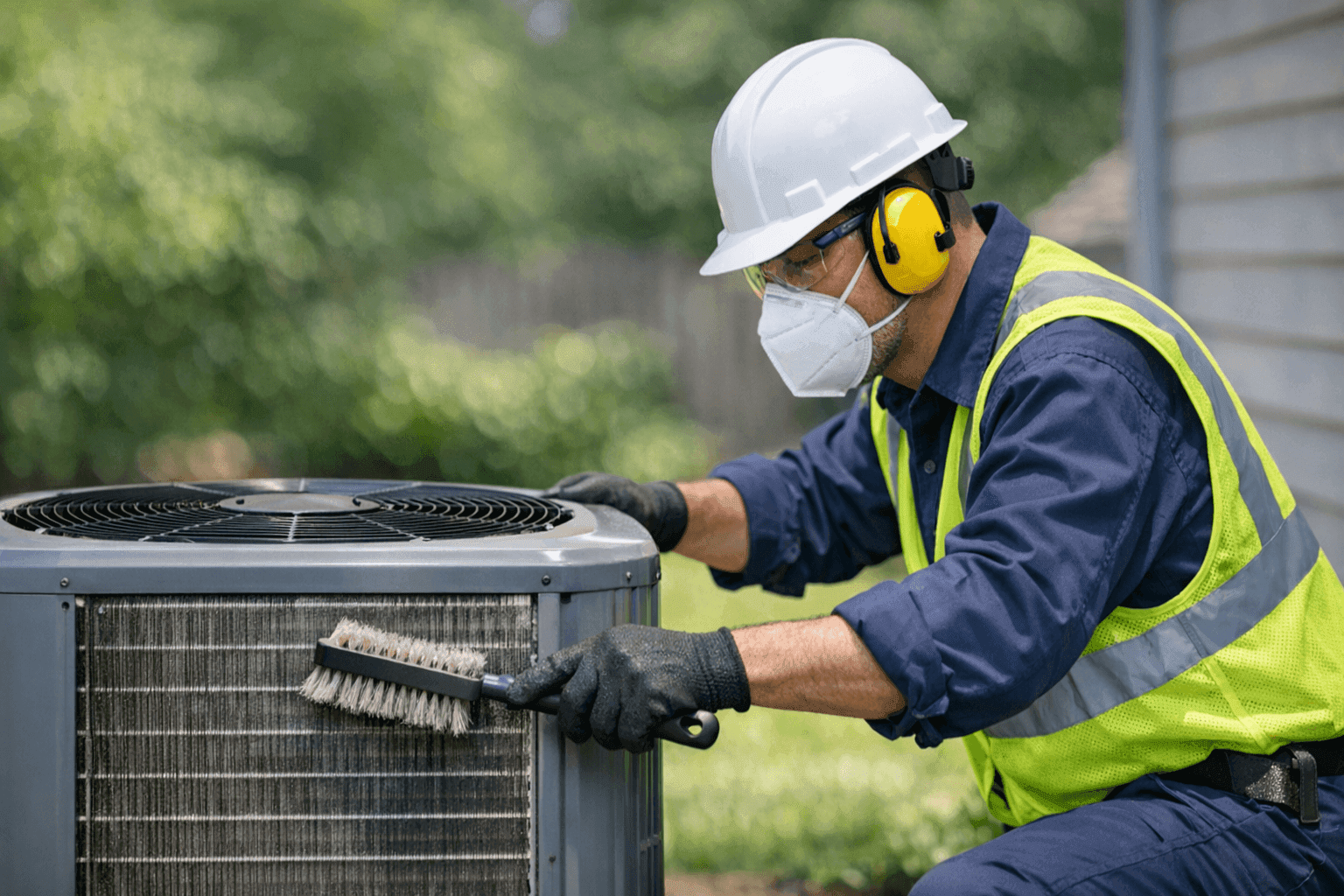
Keeping your AC system running strong isn’t just about comfort. It’s about protecting your investment, your air quality, and—let’s be honest—your peace of mind. At Brama Cooling, we know how frustrating it feels when an air conditioner quits before its time. Worse yet, the causes are often preventable.
Think of your AC like a car: a little attention today can save you from a breakdown on the hottest day of the year. With the right care, your cooling system can last well beyond the average lifespan. Let’s break down exactly how.
Why AC Systems Fail Early
Most air conditioners don’t just give up—they’re pushed. Age is a factor, but neglect is the real culprit. Here’s what sends systems to an early retirement:
- Dirty Filters: Imagine trying to run a marathon while breathing through a straw. That’s your AC with a clogged filter.
- Neglected Coils: Dusty evaporator and condenser coils force your system to work overtime, burning out key parts.
- Improper Sizing or Installation: If your AC is too big or too small, it’s on a path to early failure.
- Lack of Maintenance: Skipping regular tune-ups is like never changing your car’s oil.
- Thermostat Issues: Faulty or poorly placed thermostats cause your AC to cycle too often—or not enough.
- Electrical Problems: Flickering lights or tripped breakers are warning signs. Don’t ignore them.
According to the U.S. Department of Energy, regular maintenance can reduce the risk of major breakdowns by up to 95%. That’s not just theory—manufacturers base their warranties on it.
Maintenance Best Practices 🧰
A well-cared-for AC is a happy AC. These habits make a real difference:
Change Your Filter—Regularly
- How often? Every 1–3 months, depending on usage and filter type.
- Why? Clean filters keep airflow steady, stop dust from choking your system, and improve indoor air quality.
- Tip: Set a phone reminder. It’s easy to forget.
Keep Coils Clean
- Evaporator coils (inside) and condenser coils (outside) collect dust, pollen, and grime.
- DIY: Gently vacuum or use a soft brush.
- Pro help: Schedule professional coil cleaning as part of AC Maintenance.
Check Thermostat Settings
- Location matters: Don’t let direct sunlight or lamps trick your thermostat.
- Upgrade: Consider a programmable or smart thermostat for more precise control.
Inspect and Clean Ductwork
- Why? Leaky or clogged ducts waste energy and overwork your AC.
- When? Every few years, or sooner if you notice dust buildup or uneven cooling.
Schedule Annual Tune-Ups
- What’s included?
- Check refrigerant levels
- Test electrical components
- Lubricate moving parts
- Clear condensate drains
- Inspect safety controls
A certified technician—like those at Brama Cooling—follows manufacturer guidelines and local building codes for safety and efficiency.
Usage Habits That Help
How you use your AC matters as much as how you maintain it.
- Set It and Forget It: Avoid drastic swings in temperature. Each degree you raise the thermostat can save energy and reduce wear.
- Use Ceiling Fans: Fans help circulate cool air so your AC doesn’t have to run as long.
- Close Curtains: Keep blinds or curtains closed during the hottest part of the day.
- Seal Leaks: Weatherstrip doors and windows to stop cool air from escaping.
- Don’t Overload: Avoid heat-generating activities (like baking) during peak hours.
Treat your AC like a marathon runner, not a sprinter. Slow and steady wins the race—and adds years to your system’s life.
Quick Safety Checklist ⚠️
Before you do anything—safety first.
- Turn off power at the breaker before opening the unit.
- Never touch refrigerant lines or electrical components if you’re unsure.
- Call a pro for anything beyond basic cleaning or filter changes.
Safety guidelines from the Occupational Safety and Health Administration (OSHA) stress the importance of proper training for electrical and refrigerant work.
Signs of Trouble: Know When to Act
Your AC speaks to you—if you know how to listen.
- Strange Noises: Rattling, squealing, or grinding isn’t normal.
- Weak Airflow: Could mean a clogged filter, duct problem, or failing blower.
- Short Cycling: Turns on and off too often? Could be a thermostat or refrigerant issue.
- Warm Air: If cold air turns tepid, your compressor or refrigerant may be to blame.
- High Bills: A sudden spike in energy costs often signals trouble.
Don’t wait for a total breakdown. Addressing small issues early can save thousands on major repairs or replacements. If you’re unsure, AC Repair is just a call away.
DIY vs. Call a Pro
Some tasks are perfect for hands-on homeowners. Others? Not so much.
DIY:
- Change filters
- Clean vents and registers
- Rinse outdoor condenser coils (gentle hose only—never pressure wash)
Call a Pro:
- Annual inspections and tune-ups
- Refrigerant handling (required by EPA regulations)
- Electrical checks and repairs
- Duct cleaning and sealing
According to the Air Conditioning Contractors of America (ACCA), untrained DIY work is a leading cause of accidental damage and voided warranties.
Prevention & Maintenance: The Long Game 🛠️
Think of regular AC maintenance like brushing your teeth. Skip it, and you’ll pay the price later.
- Log maintenance dates in a notebook or app.
- Ask for a maintenance plan—many cooling specialists offer scheduled visits.
- Follow the manufacturer’s schedule. Check your owner’s manual for specifics.
Routine care costs a fraction of a full replacement and often pays for itself in lower bills and fewer breakdowns.
Common Mistakes That Shorten AC Life
It’s easy to fall into habits that quietly sabotage your system. Watch out for:
- Neglecting filter changes
- Blocking vents with furniture or drapes
- Ignoring outdoor units—keep plants and debris at least two feet away
- Cranking the thermostat way down hoping for faster cooling (it doesn’t work!)
- Skipping service visits to save money
These shortcuts often lead to bigger headaches—and a shorter system lifespan.
Timeline & Disruption: What to Expect
A well-maintained AC can last 12–20 years. Neglect can cut that in half.
- Filter changes: 5 minutes, no tools needed
- Professional tune-up: 60–90 minutes, minimal disruption
- Duct cleaning: Half a day, but only every few years
Plan maintenance during off-peak hours or in spring and fall, before extreme weather arrives.
When It’s an Emergency 🚨
Some issues can’t wait.
- No cooling at all
- Electrical burning smell
- Water leaking inside
- System won’t turn on
If you notice these, call for 24-hour emergency service right away. Quick action can prevent further damage and protect your home or business.
Seasonal Considerations
- Spring: Schedule your annual tune-up before temperatures soar.
- Summer: Monitor filter and coil cleanliness during heavy use.
- Fall: Check for leaves and debris around the outdoor unit.
- Winter: If your AC shares ductwork with heating, keep vents clear and schedule HVAC maintenance.
Seasonal habits add up to years of added life.
Materials & Equipment
Quality matters.
- Use manufacturer-approved filters and parts.
- Don’t skimp on thermostats—modern smart models pay off in control and efficiency.
- Have a spare filter on hand at all times.
Cheap fixes today can lead to expensive breakdowns tomorrow.
FAQ: Your AC Longevity Questions Answered
How often should I service my AC?
Once a year, ideally in spring. More often if you have pets, allergies, or run the system constantly.
Does AC maintenance really save money?
Yes. ENERGY STAR reports regular maintenance can cut energy use by 15%.
Is coil cleaning necessary?
Absolutely. Dirty coils reduce efficiency and can cause premature failure.
Can a new thermostat help?
A properly installed, programmable thermostat can reduce wear and optimize comfort.
When to Upgrade
No system lasts forever. But how do you know when it’s time?
- Frequent repairs: If you’re calling for service more than once a year, replacement may be more cost-effective.
- High energy bills: Old systems lose efficiency.
- Inconsistent temperatures: Hot and cold spots signal trouble.
- R-22 refrigerant: Systems using this outdated coolant are costly to maintain.
Upgrading doesn’t just prevent breakdowns—it can dramatically improve comfort, air quality, and energy use.
Not sure if you need a replacement or just a tune-up? For those in search of reliable cooling company services, Brama Cooling can guide you based on your system’s condition and age.
Final Thoughts
Extending your AC’s life isn’t a secret. It’s a set of small, consistent habits—filter changes, coil cleaning, thermostat management—that add up to real savings and comfort. If your system is showing signs of age, don’t wait for a breakdown. Regular AC Maintenance and timely repairs are the best insurance you can buy.
Call Brama Cooling now — or reach us anytime at 888-840-5035 .