How Often Should You Replace Your HVAC Filters?
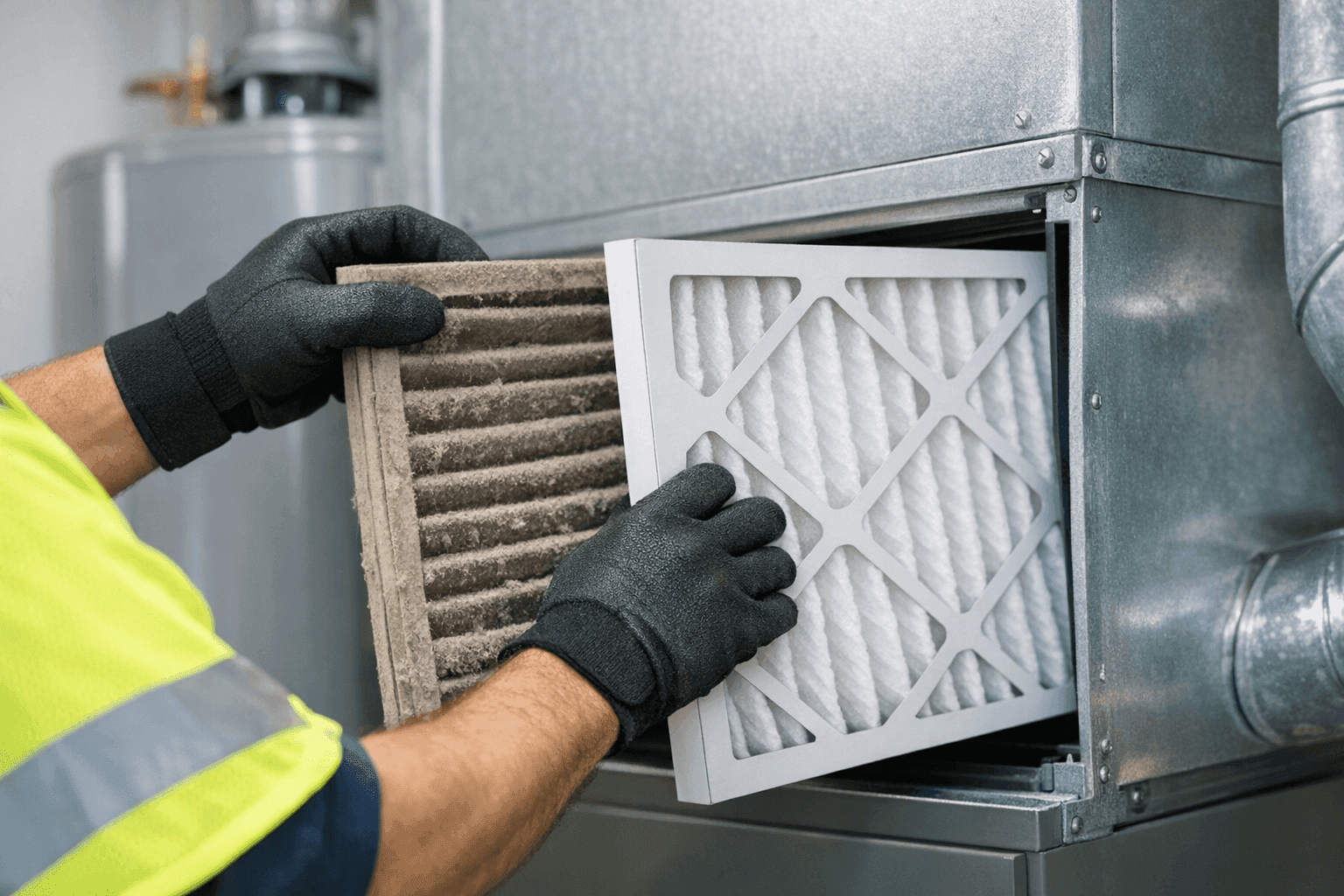
Is the air in your home or business feeling stuffy? Maybe the AC doesn’t seem to cool like it used to. Or you just noticed a layer of dust clinging to every surface. Whatever tipped you off, you’re right to wonder: When did I last change my HVAC filter?
At Brama Cooling, we know filter changes might seem small. But this simple step is the heartbeat of healthy cooling and indoor air quality. Let’s get to the bottom of how often to swap out your filters—and what’s at stake if you don’t.
Why Filter Changes Matter 🛡️
Think of your HVAC filter as a colander for the air. It catches dust, pollen, pet hair, and whatever else floats inside. When it’s clogged, your system has to work twice as hard. That’s like forcing water through a sponge instead of a sieve.
Here’s why regular filter changes are crucial:
- Air Quality: Traps allergens, dust, and bacteria before they circulate.
- System Health: Reduces wear and tear on sensitive equipment.
- Efficiency: Keeps airflow moving, lowering your energy bill.
- Peace of Mind: Fewer breakdowns, smoother cooling, and a longer system life.
According to the U.S. Environmental Protection Agency (EPA), filter replacements are essential for maintaining good indoor air quality and efficient system operation. Ignoring this can lead to poor air, higher bills, and even costly repairs.
Recommended Replacement Intervals
How often should you really swap out your HVAC filter? It’s not a one-size-fits-all answer. Here’s a quick guide, based on guidelines from filter manufacturers and the EPA:
- Standard 1-3 inch pleated filters: Every 60-90 days
- Homes with pets: Every 30-60 days
- Allergy sufferers: Every 20-45 days for best relief
- Commercial spaces: Monthly or more, depending on foot traffic and activity
- Vacation homes or rarely used systems: Every 3-6 months
If you’re not sure, check your filter every month. Hold it up to the light—if you can’t see through it, it’s time for a change.
Signs You Need a New Filter
Sometimes, your system will tell you it’s time. Keep an eye (and nose) out for:
- More dust settling on furniture
- Musty or stale odors when the system runs
- Lower air flow from vents
- AC or furnace cycling more often
- Higher energy bills with no obvious cause
- Allergy or asthma symptoms flaring up indoors
For commercial clients, pay extra attention when foot traffic spikes, after renovations, or during pollen-heavy seasons.
Choosing the Right Filter
Walk down the filter aisle and you'll see a wall of choices. How do you pick? Start with the filter size—this must match your system. Next, look at the MERV rating (Minimum Efficiency Reporting Value), which measures how well the filter traps particles.
- MERV 1-4: Basic, for larger particles
- MERV 5-8: Good for most homes and light commercial use
- MERV 9-12: High filtration, ideal for allergy sufferers and pet owners
- MERV 13+: Hospital-grade, great for sensitive environments but check if your system can handle it
Too high a MERV rating can restrict airflow, so balance efficiency and your system’s needs. Your Brama Cooling technician can advise on what’s best for your situation.
Pet Owners: Keeping Fur and Dander in Check 🐾
Pets are family. But their fur, dander, and even litter dust can clog a filter fast. If you share your home or workspace with furry friends, step up your filter checks. You may need to replace filters as often as every month, especially during shedding seasons.
Tip: Brush pets regularly and vacuum often to help your filters last longer.
For Allergy Sufferers: Breathing Easier
Pollen, dust mites, mold spores—if you’re sensitive, filters are your first line of defense. Opt for filters with a higher MERV rating (9-12 or above) and change them more frequently, even every 20-45 days during allergy season.
Combine this with routine HVAC Maintenance to keep your system—and your sinuses—clear.
Commercial Spaces: Special Considerations 🏢
Busy offices, retail shops, restaurants, and other commercial spaces see more foot traffic and more airborne particles. That means filters fill up faster. Most commercial environments should plan for monthly changes, or even more often in high-activity settings like gyms or salons.
Schedule filter checks as part of your regular filters and maintenance plan to avoid system slowdowns and employee complaints.
Quick Safety Checklist
Before you swap that filter, remember:
- Turn off your HVAC system for safety.
- Check the direction of airflow—there’s usually an arrow on the filter frame.
- Secure the new filter snugly in place.
- Wash your hands after handling a dirty filter.
If you notice mold or a strange smell, call a pro. Mold in the filter or ductwork is a health hazard.
DIY vs. Call a Pro
Most homeowners and business managers can change standard filters on their own. It’s as simple as sliding out the old one and putting in the new. But if your system uses specialized filters, has tricky access, or you notice anything unusual (like leaks, rattles, or mold), it’s time to call Brama Cooling.
A professional can also spot issues before they become expensive problems.
What Pros Do On Arrival
When you schedule a filter service with Brama Cooling, here’s what to expect:
- Inspection of your current filter and system
- Recommendations on the right filter type and size
- Safe replacement and disposal of old filters
- A quick system check for airflow and other issues
- Advice on how often to change filters in your specific environment
We take the guesswork out of filter maintenance—so you can focus on comfort.
Prevention & Maintenance: Setting a Routine
Don’t wait for trouble to strike. Make filter checks part of your monthly routine. Set a reminder on your phone, or mark it on your calendar. If you run a business, assign the task to a team member. For even more peace of mind, consider a scheduled maintenance plan with Brama Cooling.
Costs & Time Factors
Changing a filter is fast—usually less than five minutes. Standard filters range from $5 to $20 each, depending on size and rating. High-efficiency or specialized filters cost more, but the payoff is healthier air and fewer system repairs.
Commercial clients: bulk buying filters can save money and hassle.
When It’s an Emergency
If your system suddenly stops working, you smell burning, or air flow drops to a whisper, shut everything down and check the filter first. Sometimes, a clogged filter is all that stands between you and a cool, comfortable space.
Still stuck? Our 24-hour emergency service is here to help.
Seasonal Considerations
Filters work hardest during heavy-use seasons—summer for cooling, winter for heating. Check your filter before the first big heat wave or cold snap. For allergy sufferers, step up checks during spring and fall when pollen counts soar.
Common Mistakes
- Forgetting to check filters after renovations or construction
- Using the wrong size or type of filter
- Installing the filter backward
- Waiting for visible dust or smells before changing
- Tossing dirty filters in regular trash without a bag—double-bag for dust control
Signs of Trouble
If you notice ice on your AC unit, unusually high energy bills, or hear strange noises, don’t ignore it. These can be signs that your HVAC filter—and possibly your system—needs immediate attention.
Timeline & Disruption
For most homes and offices, filter changes are quick and non-disruptive. No need to shut down your day. For larger commercial systems, schedule changes during off-hours to avoid interrupting business.
Materials and Equipment
You don’t need a toolbox—just the right replacement filter and, maybe, a step ladder for hard-to-reach vents. Brama Cooling uses only manufacturer-approved filters for the best fit and function.
FAQ: Your Filter Questions Answered
Q: Can I vacuum and reuse my filter?
A: Most filters are single-use. Vacuuming won’t restore their effectiveness.
Q: What if I have a specialty system or filter?
A: Check your owner’s manual or consult with Brama Cooling. We handle all filter types, from HEPA to carbon and everything between.
Q: How do I know which filter I need?
A: Look at your current filter for size and type, or ask your technician during your next HVAC Maintenance appointment.
Maximize Air Quality & System Life—The Brama Cooling Way
Changing your HVAC filter is like brushing your teeth—you might not notice the result right away, but skip it too long and you’ll feel the consequences. For fresher air, lower energy bills, and longer-lasting equipment, make filter changes a habit.
Ready to breathe easier? Call Brama Cooling now — or reach us anytime at 888-840-5035 .