How to Choose the Right Thermostat for Your Home or Business
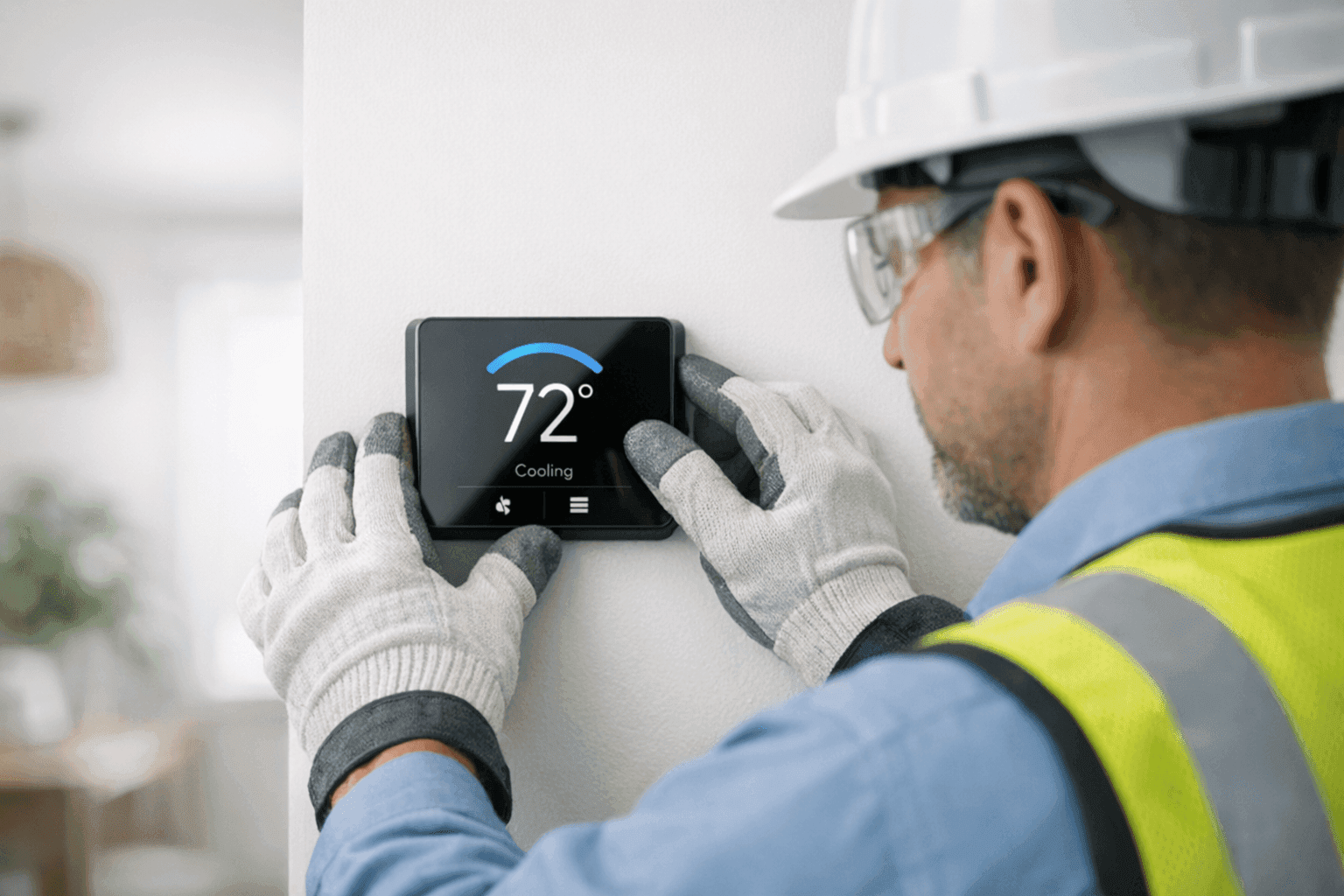
Choosing a thermostat shouldn’t feel like deciphering a secret code. Whether you’re a homeowner trying to keep your family comfortable, or a business looking for efficient cooling—your thermostat choice makes a big difference. At Brama Cooling, we know the right thermostat isn’t one-size-fits-all. It’s about matching features, savings, and simplicity to your real needs.
Let’s take the guesswork out of “thermostats near you.” Here’s what to know before you buy, install, or upgrade.
Types of Thermostats
Thermostats come in more flavors than a summer ice cream menu. Each type fits different lifestyles, energy goals, and budgets.
Manual Thermostats
Think of manual thermostats like classic dials on a radio. Simple, direct, and reliable. You set the temperature by hand—no frills, no fuss.
Pros:
- Budget-friendly
- Easy to use and install
- Fewer parts to break
Cons:
- No scheduling or automation
- Can lead to wasted energy if forgotten
- Limited features for commercial spaces
Programmable Thermostats
These are the planners of the thermostat world. Set a schedule once, and they’ll handle the rest—like cruise control for your cooling.
Pros:
- Custom schedules for weekdays and weekends
- Boosts energy savings by adjusting temps automatically
- Great for people with regular routines
Cons:
- Trickier to set up than manual models
- May confuse if schedules change often
- Some models lack smart tech compatibility
Smart Thermostats
Smart thermostats are like having a personal assistant for your air. They learn, adapt, and connect to your phone or building system.
Pros:
- Remote control via smartphone or voice assistants
- Adaptive learning for busy schedules
- Energy use reporting and insights
- Integration with other smart devices
Cons:
- Higher upfront cost
- May need compatible wiring and Wi-Fi
- Software updates and privacy considerations
Key Features to Consider 🕹️
Not every thermostat is created equal. Here’s what to look for—whether you’re upgrading a home or managing a whole office building.
- Compatibility: Does it work with your current HVAC system? Some require C-wires or specific voltage.
- User Interface: Touchscreen, buttons, or dials—pick what feels natural.
- Zoning Support: For multi-zone setups, ensure the thermostat can manage different areas.
- Alerts & Reminders: Maintenance reminders can help you avoid surprise breakdowns.
- Security: For businesses, lockout features prevent unauthorized changes.
- Integration: Can it talk to your smart home or building automation system? Some connect with voice assistants or energy management tools.
Energy Efficiency Benefits
A good thermostat is a silent energy hero. According to ENERGY STAR, programmable and smart thermostats can shave up to 10% off your annual heating and cooling bill. That’s like finding money in your couch cushions—every single month.
- Automated schedules mean the system isn’t running when nobody’s around.
- Adaptive learning in smart models adjusts for unpredictable routines.
- Remote access lets you tweak settings on the fly—no more cooling empty rooms.
Energy efficiency isn’t just good for your wallet—it’s good for the planet. Less energy wasted means less strain on the grid and fewer emissions.
Installation Considerations 🔧
Thermostat installation can be as simple as swapping batteries, or as complex as rewiring your wall. Here’s what to consider:
- Voltage & Wiring: Most homes use low-voltage (24V) thermostats, but some older or commercial buildings use line-voltage models.
- Mounting Location: Keep away from direct sunlight, windows, or vents for the most accurate readings.
- Professional vs. DIY: Some programmable or smart thermostats are plug-and-play. Others—especially for advanced HVAC systems—should be handled by a pro to ensure safety and code compliance (see: National Electrical Code, local building regulations).
- System Compatibility: If you’re upgrading HVAC equipment, make sure your new thermostat will work with it. Not all thermostats are compatible with variable-speed or multi-stage systems.
If you’re unsure, call us at Brama Cooling. We handle both thermostats and complete HVAC installation for homes and businesses.
Manual vs. Programmable vs. Smart: Which is Right for You?
- Manual: Best for simple systems, rental properties, or those who value reliability over features.
- Programmable: Perfect for set-and-forget schedules, especially in homes or small offices with regular routines.
- Smart: Ideal for tech-savvy users, energy-conscious families, or large businesses looking for analytics and automation.
Safety and Code Reminders
It’s tempting to handle installation yourself, but mistakes can lead to electrical hazards or voided warranties. The National Fire Protection Association (NFPA) and local codes require proper wiring and safe installation. Always shut off power before working on your system, and if in doubt—call a professional.
The Commercial Perspective: What Businesses Need
Commercial spaces have different needs than homes. Think about:
- Multi-zone control: Offices, conference rooms, and lobbies may require separate settings.
- Access control: Prevent unauthorized changes with password protection or locked panels.
- Integration with building management systems: Smart thermostats can tie into larger automation platforms for energy reporting and scheduling.
Brama Cooling helps businesses get set up with custom solutions—no guesswork needed.
Common Mistakes When Choosing Thermostats
It’s easy to get lost in the options. Here are mistakes to avoid:
- Buying on price alone—cheap upfront can mean expensive in the long run.
- Ignoring compatibility—always match the thermostat to your HVAC system type.
- Placing thermostats in the wrong spot—direct sunlight or drafts can throw off readings.
- Overcomplicating controls—choose simplicity if multiple people need to use it.
Signs You Need a New Thermostat
- Temperature swings or uneven cooling
- Unexpected spikes in energy bills
- Thermostat doesn’t respond or is physically damaged
- Your system cycles on and off frequently
- You’re upgrading your HVAC and want more features
Manufacturer Certifications & Compatibility: Why They Matter 📜
Look for thermostats certified by ENERGY STAR, UL, or other recognized organizations. These marks mean the product meets safety and efficiency standards. Compatibility with modern HVAC systems is crucial—for example, variable-speed air conditioners or heat pumps often require advanced controls.
Always check the manufacturer documentation. It’s not just about peace of mind—it’s about long-term reliability.
DIY or Call a Pro?
Changing batteries or swapping a basic thermostat? Many homeowners can handle that. Installing smart thermostats, integrating with zoning, or setting up commercial controls? That’s where Brama Cooling steps in. We’ll make sure your system works safely and delivers every promised feature.
The Cost Factor: What Should You Expect?
- Manual: Usually the cheapest—think $20-$50.
- Programmable: $50-$150, depending on features.
- Smart: $120-$300+, plus optional installation.
Factor in potential savings on your energy bill. Over a few years, a quality thermostat often pays for itself.
Timeline & Disruption
Most thermostat swaps take less than an hour for a professional. For complex upgrades, especially in commercial spaces, plan for a few hours and minimal downtime.
Maintenance: Don’t Set It and Forget It 🚨
- Check batteries annually (or as needed)
- Keep sensors clean and dust-free
- Update firmware on smart models
- Schedule regular HVAC installation checkups
A well-maintained thermostat helps your cooling system run smoother and last longer.
Ready for Comfortable, Efficient Cooling?
Choosing the right thermostat is a smart move for your comfort, your wallet, and your peace of mind. If you need help with HVAC Installation, our local team is here for you.
Call Brama Cooling now — or reach us anytime at 888-840-5035 .