How Humidifiers and Dehumidifiers Impact Your Comfort and Health
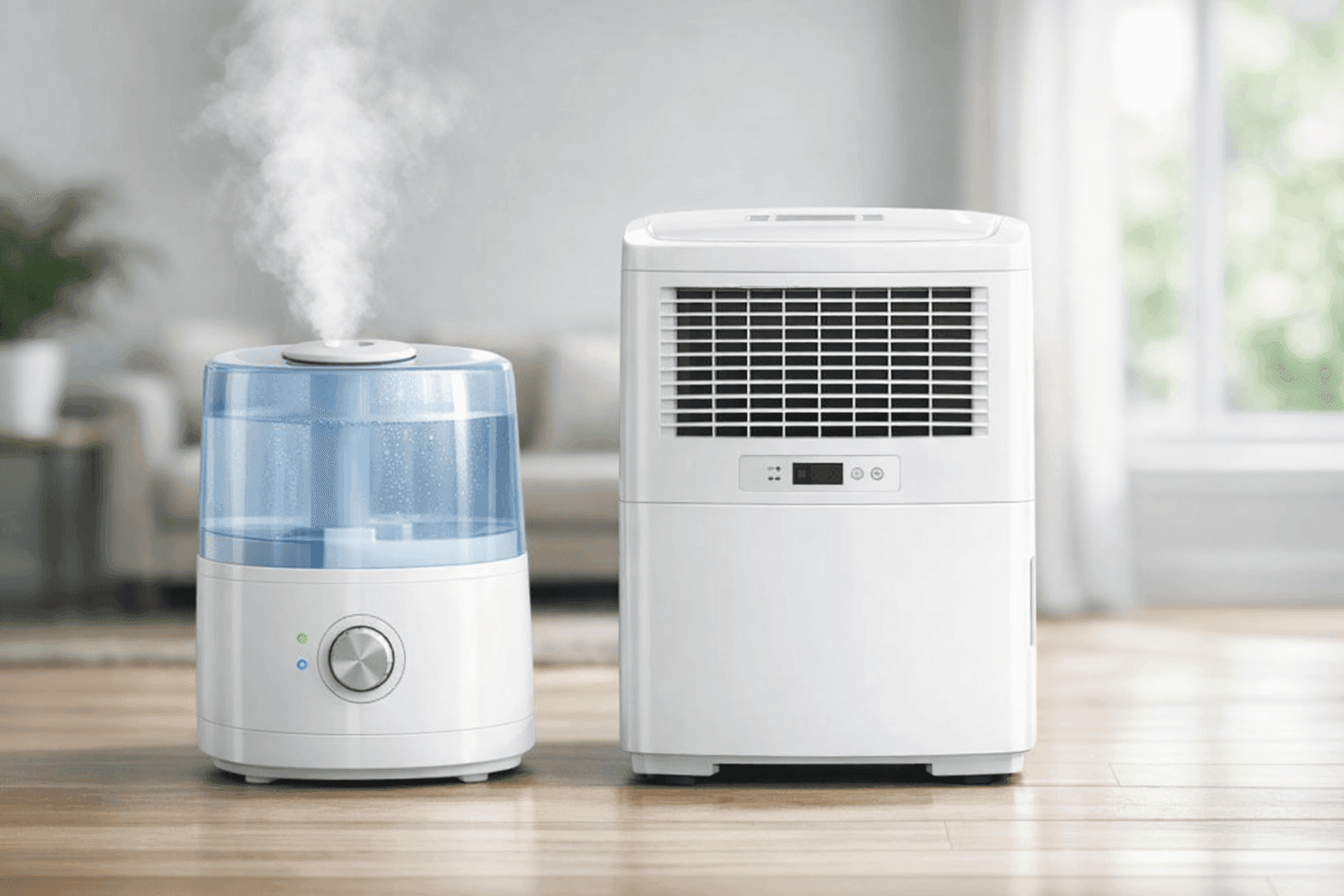
Humidity can sneak up on you. One week, your living room feels crisp and fresh. The next, it’s sticky, musty, or your throat is scratchy. For families, office workers, and property managers, these shifts aren’t just annoying—they can impact health and even your HVAC system’s performance.
At Brama Cooling, we know that comfort isn’t just about temperature. It’s about balance. If the air’s too dry or too damp, your body and building will both let you know. Here’s how managing humidity with humidifiers and dehumidifiers can make all the difference.
Why Humidity Matters 🌡️
Imagine your home or business as a living, breathing organism. Too much humidity and it sweats—walls get clammy, wood swells, and mold creeps in. Too little, and it dries out—cracked lips, itchy eyes, static shocks with every handshake.
ASHRAE (the American Society of Heating, Refrigerating and Air-Conditioning Engineers) recommends keeping indoor relative humidity between 30% and 60% for comfort and health. This “Goldilocks zone” helps:
- Reduce allergens and dust mites
- Prevent mold growth
- Support your immune system
- Protect furnishings and electronics
It’s not just a comfort issue—proper humidity is part of good indoor air quality, no matter the season.
Signs of Improper Humidity
How do you know if your humidity is off? Your body and your building will drop hints. Here’s what to watch for:
- Too Dry: Sore throat, dry skin, nosebleeds, frequent static shocks, cracking wood or paint, wilting houseplants.
- Too Damp: Musty odors, visible mold or mildew, condensation on windows, warped floors, allergy flare-ups.
If you’re noticing these symptoms, it might be time to take a closer look at your indoor climate.
How Humidifiers Work
A humidifier is like a gentle rain for your indoor air. It adds moisture, keeping air from feeling parched. There are several types, but most work by dispersing water vapor:
- Evaporative: Uses a fan and wick to add moisture.
- Ultrasonic: Vibrates water into a fine mist.
- Steam Vaporizers: Heat water, then release steam.
Humidifiers are especially helpful in winter, when heating systems strip away moisture. They can:
- Ease breathing
- Reduce static
- Protect woodwork and instruments
You’ll find more about our humidifiers and integration with Thermostats near you in our service catalog.
How Dehumidifiers Work
Think of a dehumidifier as a dry towel on a muggy day. It pulls excess moisture from the air, making breathing easier and spaces less sticky.
- Refrigerant models: Cool air to condense water, which is collected in a tank or drained away.
- Desiccant models: Use absorbent materials to “soak up” moisture.
Dehumidifiers shine during humid summers or in basements that always seem damp. They help:
- Reduce mold risk
- Prevent musty odors
- Protect electronics and documents
Explore our dehumidifiers for options tailored to homes and businesses.
The Health Impact of Humidity
Too much or too little humidity doesn’t just feel uncomfortable—it can harm your health. Here’s how:
- Dry air: Irritates airways, worsens allergies and asthma, increases risk of respiratory infections.
- Damp air: Fuels mold and dust mites, both strong allergy and asthma triggers.
The right humidity helps everyone breathe easier—especially kids, seniors, and people with chronic conditions.
Ideal Humidity Levels: What the Pros Use
ASHRAE’s recommended range (30–60% relative humidity) isn’t random. Studies show this is the sweet spot for:
- Minimizing bacteria, viruses, and fungi
- Reducing dust mite populations
- Preventing building damage
Commercial buildings sometimes use sensors and smart thermostats to stay in range. For homeowners, a simple hygrometer (humidity gauge) does the trick.
Sizing Your Humidifier or Dehumidifier
Not all devices are created equal. Size matters—a humidifier that’s too small won’t help, and one that’s too big can overdo it.
- Check your square footage: Most products list recommended room sizes.
- Factor in ceiling height: Tall ceilings need more power.
- Consider local climate: Humid climates may need stronger dehumidifiers.
- Account for special needs: Allergies, musical instruments, or valuable documents may require more precise control.
Need help sizing? Our team at Brama Cooling can guide you based on your unique space.
Common Mistakes and How to Avoid Them
It’s easy to make simple errors when managing humidity. Here’s what to look out for:
- Ignoring maintenance: Dirty filters and tanks breed bacteria.
- Running equipment nonstop: Can lead to over-humidification or over-drying.
- Placing devices in the wrong spot: Keep away from vents and direct sunlight.
A quick monthly checkup can keep your system running safely and efficiently.
DIY vs. Call a Pro
Some issues are simple—like cleaning a humidifier tank. Others, like whole-house systems or integrating with your existing cooling setup, are best left to trained technicians.
Professional help ensures:
- Proper sizing and placement
- Safe electrical connections
- Integration with thermostats and HVAC
If you’re unsure, it’s safer (and often cheaper long-term) to consult a cooling contractor.
Prevention & Maintenance Tips
Regular care pays off. Here’s a quick checklist:
- Clean tanks and filters every 1–2 weeks
- Check for leaks or standing water
- Replace filters as directed
- Calibrate humidity sensors
Routine HVAC maintenance also supports balanced air. Ask about our humidifiers and HVAC maintenance packages.
Quick Safety Checklist
- Always use equipment as directed in the manual.
- Empty and clean water reservoirs to prevent bacteria.
- Watch for mold or unusual smells—these are red flags.
- Never ignore electrical issues or unusual noises.
ASHRAE and EPA both recommend regular inspection and cleaning for all air quality devices.
Costs, Time, and What to Expect
- Portable humidifiers/dehumidifiers: Setup in minutes, maintenance is weekly.
- Whole-house systems: Professional install, takes a few hours; yearly tune-up recommended.
- Energy impact: Modern devices are efficient; smart thermostats can help optimize usage.
Expect better air, fewer allergy days, and a more comfortable home or office.
When It’s an Emergency
Sudden mold outbreaks? Persistent dampness or dryness? Health symptoms getting worse? Call for 24 Hour Emergency Service—these aren’t issues to wait on.
Seasonal Shifts: Adjusting Your System
- Winter: Add humidity, especially with forced-air heating.
- Summer: Remove humidity, especially in basements and attics.
- Shoulder seasons: Monitor and adjust as outdoor conditions change.
A programmable thermostat or smart home system can automate much of this for you.
Timeline & Disruption
- Portable units: Minimal disruption—just plug in.
- Whole-house systems: Install can be done in half a day, sometimes less.
- Maintenance: Most checks take less than an hour.
Our team works around your schedule to limit downtime.
Frequently Asked Questions
Q: Can I use both a humidifier and dehumidifier?
A: Yes. Some homes need both, especially if different rooms have different needs.
Q: Is there a “set it and forget it” solution?
A: With the right equipment and a good thermostat, you can automate humidity control.
Q: How do I know if my air is the right humidity?
A: A digital hygrometer is the easiest way to check. Your comfort and health are the best day-to-day indicators.
Ready for Comfort?
Balanced humidity doesn’t just feel good—it keeps your whole property healthier. If you need help choosing, installing, or maintaining humidifiers or dehumidifiers, Brama Cooling is here to help. We serve both homes and businesses, and our cooling specialists also handle air balancing, filtration, and full HVAC care.
Learn more about how Dehumidifiers can improve your comfort and health.
Call Brama Cooling now — or reach us anytime at 888-840-5035 .