How to Maintain Healthy Humidity in Every Season
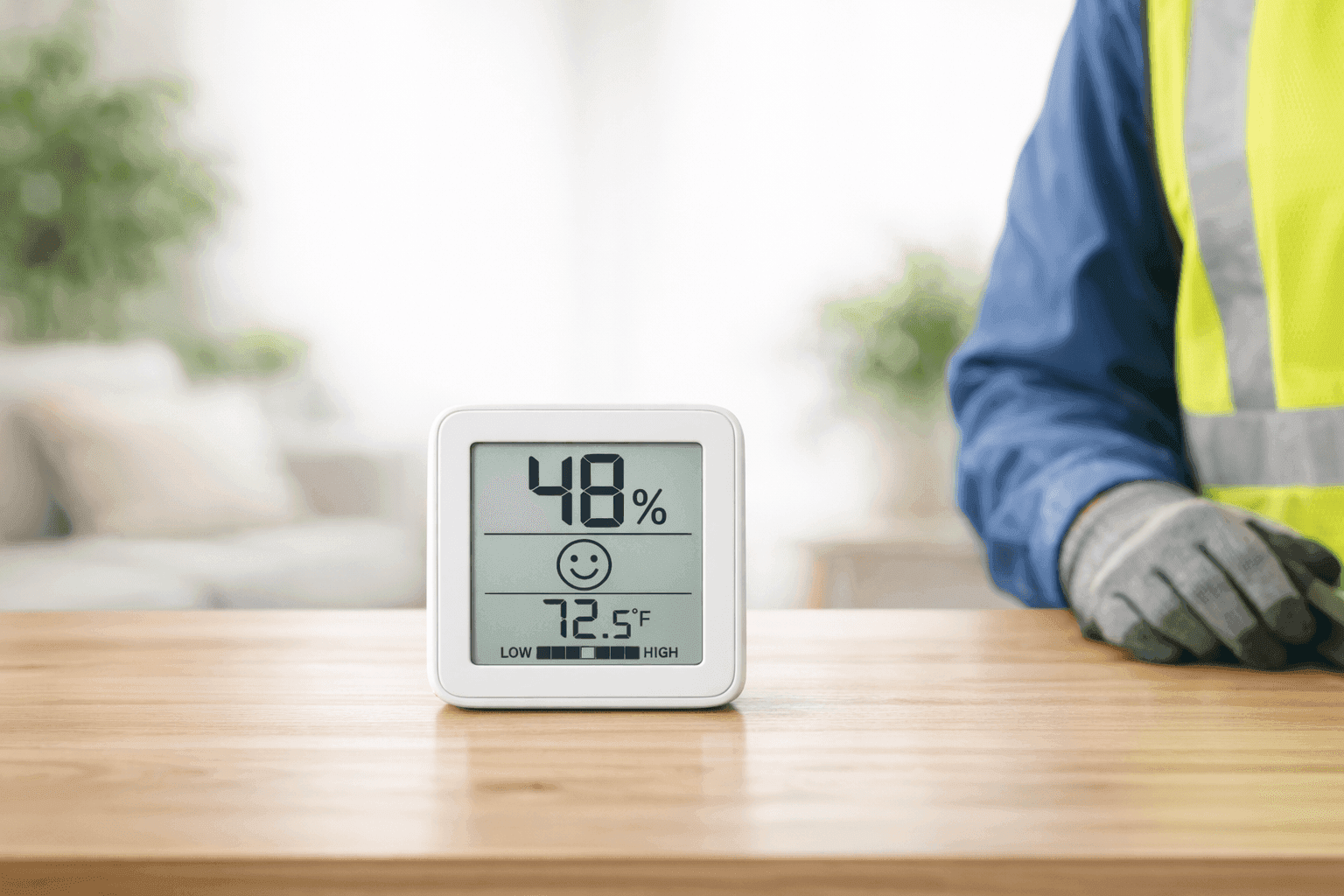
Struggling to keep your home or business comfortable as the seasons change? Humidity swings can lead to stuffy air, itchy skin, and even moldy corners. It's not just about comfort—your health and property are at stake.
At Brama Cooling, we help people breathe easier. Our team knows how a simple number on your thermostat can mean a world of difference for your daily well-being. Let’s break down what it takes to keep humidity in check all year long.
Why Humidity Fluctuates 🌦️
Humidity is like the mood of your indoor air—it changes with the weather outside, how you heat or cool, and even how many people are in a room. In the summer, muggy air can sneak in and make everything sticky. Winter brings dry, static-filled air that can chap your lips and crack your furniture.
According to ASHRAE (the American Society of Heating, Refrigerating and Air-Conditioning Engineers), optimal indoor humidity falls between 30% and 60%. The EPA agrees: going above or below that range increases risks for health problems and building damage.
Factors that shift your indoor humidity:
- Outdoor temperature swings (cold snaps or heatwaves)
- Running air conditioning or heating systems
- Cooking, showering, or laundry
- Poor ventilation or clogged filters
- Drafty windows and doors
Health and Comfort Impacts
Too much or too little humidity is more than just uncomfortable—it can affect your health. Overly dry air acts like a desert wind, drying out your skin, nose, and throat. On the other hand, excess moisture turns your home into a breeding ground for mold, dust mites, and bacteria.
Here’s what can happen when humidity is out of balance:
- Dryness: Nosebleeds, coughing, itchy eyes, static shocks
- Dampness: Moldy smells, allergy flare-ups, warped wood, peeling paint
- Trouble sleeping: Sticky air or scratchy sheets keep you restless
- Poor indoor air quality: Pollutants and allergens thrive
ASHRAE and EPA guidelines both warn that ignoring humidity can make asthma and allergies worse, and even damage your building over time.
Managing Humidity in Summer ☀️
Summer’s high humidity can feel like you’re wearing a wet blanket inside. Here’s how to peel it off:
- Use dehumidifiers to pull excess moisture from the air
- Run your air conditioning (it removes humidity as it cools)
- Keep showers short and use exhaust fans in bathrooms and kitchens
- Seal windows and doors to keep muggy air out
- Open windows only when it’s less humid outside than in
If your home still feels clammy, it might be time to check your AC or call for a dehumidifiers service. Our team at Brama Cooling can help you choose the right size and type for your space.
Managing Humidity in Winter ❄️
Winter air is thirsty. It sucks moisture from your skin, wood floors, and even the air you breathe. Here’s how to add what’s missing:
- Use a humidifier—whole-house or portable—to keep air from getting too dry
- Place water basins near heat sources (but not too close for safety)
- Keep doors shut to avoid drafts
- Lower your thermostat a few degrees to prevent over-drying
- Houseplants can boost moisture, too
Remember: Humidifiers need regular cleaning to prevent bacteria, as recommended by the EPA.
Best Equipment for Control
Not all humidity solutions are created equal. Brama Cooling offers a full toolkit to keep your air just right.
- Humidifiers: Add moisture in dry winter months. Whole-house models work with your HVAC for even coverage. Learn more about our humidifiers.
- Dehumidifiers: Essential for muggy summers or damp basements. Portable and built-in options available.
- Thermostats near you: Smart controls help monitor and adjust humidity automatically.
- Air scrubbers and filters: Remove airborne particles that thrive in high humidity.
- Ventilation upgrades: Keep air moving and healthy.
- IAQ testing: Know exactly what’s in your air—schedule a test to get started.
Always look for models with humidity sensors and easy-clean features. Our cooling specialists can help you find a fit for any home or business.
Quick Safety Checklist
Humidity isn’t just about comfort—it’s about safety. Here’s a simple checklist:
- Check indoor humidity levels with a reliable monitor
- Look for signs of mold or damp spots
- Clean and maintain humidifiers and dehumidifiers regularly
- Replace filters as directed by the manufacturer
- Keep ventilation clear and unobstructed
If you’re noticing persistent issues, it’s smart to have a pro check your system.
DIY vs. Call a Pro
Some fixes are easy. You can buy a portable humidifier or dehumidifier for a single room. Change your filters on schedule. Use exhaust fans.
But when humidity issues affect your whole house or business, or you see signs of mold, it’s time to call in the pros. We’ll inspect, recommend the right system, and install it safely.
What Pros Do On Arrival
When you schedule a visit with Brama Cooling, here’s what you can expect:
- Inspect your HVAC and cooling systems for leaks or blockages
- Test humidity levels throughout your property
- Check for mold, mildew, or water damage
- Review your existing ventilation and air balancing
- Recommend equipment or repairs based on findings
We follow ASHRAE and EPA guidelines to ensure safe, healthy air.
Prevention & Maintenance Tips
Staying ahead of humidity problems saves money and hassle later. Make these steps a habit:
- Change HVAC filters every 1-3 months
- Clean humidifiers and dehumidifiers as directed
- Use programmable thermostats to manage temperature and humidity
- Schedule seasonal maintenance with a cooling company
- Check for leaks in plumbing, roofing, and foundations
Costs & Time Factors
Managing humidity isn’t always expensive. Small changes—like adding a portable humidifier—can start under $100. Whole-home systems and professional services cost more, but protect your property and health.
Home visits for system checks usually take 1-2 hours, depending on your needs. Installation of new equipment may require more time, but most jobs are completed the same day.
When It’s an Emergency
Some humidity problems can’t wait:
- Sudden leaks or floods
- Visible mold growth
- Persistent damp smells
- Condensation on windows or walls
In these cases, Brama Cooling offers 24-hour emergency service. Don’t wait—moisture can cause damage quickly.
Common Mistakes to Avoid
- Ignoring strange smells or damp spots
- Forgetting to clean equipment
- Setting humidity too low or too high
- Blocking vents with furniture or drapes
- Skipping annual HVAC maintenance
Signs of Trouble
Know when to act fast:
- Peeling paint or warped floors
- Frequent static shocks
- Allergy flare-ups at home or work
- Water stains or condensation that won’t go away
Timeline & Disruption
Most humidity fixes are non-intrusive. Portable equipment installs in minutes. Whole-home solutions may take a day but rarely disrupt daily life. Maintenance appointments can be scheduled at your convenience.
FAQ
What’s the ideal indoor humidity?
ASHRAE and EPA recommend 30%–60% for health and comfort.
Can I use both a humidifier and dehumidifier?
Yes! Many homes need both, depending on the season.
How often should I clean my humidifier or dehumidifier?
At least once a week for portable units; follow manufacturer recommendations for whole-house systems.
Are houseplants enough to control humidity?
They help, but aren’t a replacement for proper equipment.
How do I know if I need professional help?
If problems persist despite your efforts, or you spot mold, call a pro.
Final Thoughts
Healthy humidity is like the perfect cup of coffee—it’s all about balance. Too little, and everything dries out. Too much, and things get sticky. With the right tools and a little attention, you can keep your air just right, every season.
Call Brama Cooling now — or reach us anytime at 888-840-5035 .