Mini-Split Systems: Pros, Cons, and Ideal Applications
Hot summer afternoons. That first chill as autumn sneaks in. Whether you’re a homeowner or managing a busy office, the quest for perfect indoor comfort never really ends. But what if there was a flexible, efficient way to cool (and heat) exactly where you need, when you need—without tearing up walls or breaking the bank?
At Brama Cooling, we’ve installed and serviced every kind of system you can imagine. Mini-split systems have become a favorite for many of our clients. But are they right for you? Let’s break it down, step by step.
What Is a Mini-Split? ❄️
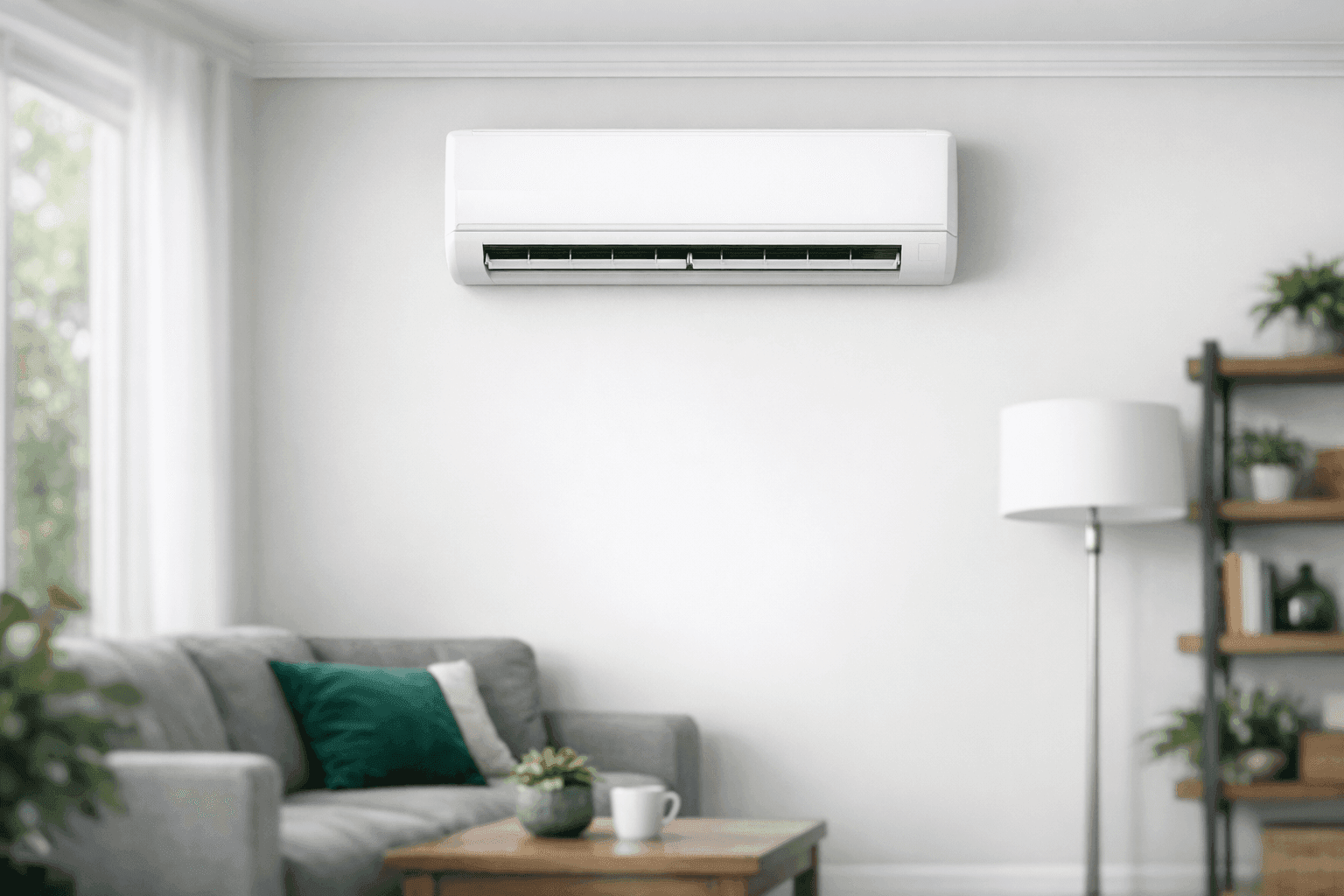
Think of a mini-split as the Swiss Army knife of modern cooling. It’s a ductless system: an indoor air handler mounted on the wall and an outdoor compressor, linked by small tubes. No bulky ductwork. No massive renovations.
You get precise control over temperature—room by room or zone by zone. And because they don’t rely on ducts (which can leak up to 30% of air, according to the U.S. Department of Energy), mini-splits deliver cooling where you want it, right away.
Advantages of Mini-Splits
Why are mini-splits showing up in homes, shops, and offices all over the country? Here’s what makes them stand out:
- Energy Efficiency: No ducts means less wasted energy. Many models come with inverter-driven compressors, so they ramp up or down as needed—saving money on your utility bills.
- Flexible Installation: Ideal for historic homes, new additions, sunrooms, or anywhere ducts just don’t fit. No need to overhaul your existing setup.
- Zoned Comfort: Want it cool in the living room, warmer in the bedroom? Each unit can be set independently.
- Quiet Operation: The indoor unit hums quietly—think gentle rainfall, not a freight train.
- Air Quality: Many mini-splits feature multi-stage filtration. This helps reduce dust, allergens, and even odors.
- Manufacturer Warranties: Leading brands offer 5–12 year warranties when installed by certified professionals. That’s real peace of mind.
Potential Drawbacks
No system is perfect. Here’s where mini-splits might give you pause:
- Upfront Cost: Initial investment can be higher than window units or basic central air—especially for multiple rooms. However, energy savings often recoup the difference over time.
- Aesthetics: The wall-mounted units are visible. Some love the sleek, modern look; others, not so much.
- Regular Maintenance: Filters need cleaning every month or two. Annual professional checkups keep things humming.
- Sizing and Placement: Too big or too small, and you lose efficiency. Placement is key—this is where a cooling specialist earns their keep.
- Electrical Requirements: Some homes may need updated circuits for installation. Always check local codes and safety guidelines.
Best Use Cases for Mini-Splits 🏠
Mini-splits shine in certain scenarios. Here are the most common applications:
- Home Additions: Sunroom, attic, garage apartment—no need to extend ducts.
- Historic Buildings: Preserve charm, skip the demolition.
- Offices & Retail: Targeted comfort for workspaces, server rooms, or showrooms.
- Apartments & Condos: Where space, noise, and energy bills matter.
- Homes with Hot/Cold Spots: Balance out rooms your central system struggles to reach.
Not sure if your space fits? Our cooling company in St. George has helped hundreds pinpoint the right solution.
Installation Overview
Installing a mini-split is less invasive than traditional central air, but it’s not a DIY project. Here’s what to expect:
- Site Assessment: A certified pro evaluates your space, electrical setup, and cooling needs. Right-sizing is everything.
- Mounting: Indoor units are placed high on a wall, away from direct sunlight or obstructions. Outdoor units need proper clearances.
- Drilling & Running Lines: Only a small hole for the conduit—nothing like the maze of ducts.
- Electrical Work: Safe, code-compliant connections are a must. Some installations require a new circuit.
- Start-Up & Testing: Pros check for leaks, calibrate controls, and confirm performance.
- Education: You’ll get a walkthrough on how to use remote controls, set schedules, and maintain filters.
Certified installation is crucial—not just for performance, but to keep your manufacturer warranty valid.
Cost Factors: What to Expect
Pricing varies. Factors include the number of zones, unit size, brand, and any electrical upgrades needed. On average, homeowners can expect to invest between $3,000 and $10,000 for a multi-zone system (source: U.S. Department of Energy). Commercial setups may run higher.
While mini-splits cost more than window units, their efficiency and lifespan (often 15–20 years) make them a smart long-term investment.
Flexibility: Your Comfort, Your Way
Imagine a system that adapts to your life. Have a guest room that’s empty 360 days a year? No need to cool it all summer. Want to keep the nursery warm at night, but the rest of the house cool? Mini-splits let you do that, simply.
Maintenance Matters 🧰
Routine care is simple, but important:
- Clean Filters: Every 4–8 weeks, depending on use and air quality.
- Check Outdoor Unit: Keep it clear of leaves, debris, and snow.
- Annual Tune-Up: A professional will inspect refrigerant levels, electrical connections, and system operation.
Following manufacturer guidelines keeps performance high and warranties intact.
Safety First: Code & Compliance
Electrical safety and refrigerant handling are non-negotiable. Only licensed technicians should install mini-splits. This ensures compliance with local building codes (reference: International Residential Code, Section M1401).
DIY vs. Call a Pro
While filter cleaning is a homeowner’s job, installation and annual maintenance require specialized training and tools. DIY attempts often void warranties and risk expensive mistakes.
Common Mistakes to Avoid
- Incorrect Sizing: Too small? It runs nonstop. Too big? Short cycles, wasted energy.
- Poor Placement: Avoid placing units above heat sources, in direct sunlight, or behind furniture.
- Skipping Maintenance: Dirty filters mean poor air quality and higher energy bills.
- Ignoring Noise: If you hear rattling or buzzing, call for service.
Signs of Trouble
Be alert for:
- Unusual noises or vibrations
- Reduced cooling or heating
- Water leaks from the indoor unit
- Error codes on the display
Prompt attention prevents bigger issues down the line.
Timeline & Disruption
Installation typically takes 4–8 hours for a single-zone system. Multi-zone setups may need a full day. Your daily routine? Barely interrupted. No tearing up floors or patching drywall.
Seasonal Considerations
Mini-splits excel in both cooling and heating. In milder climates, they can be your year-round comfort solution. In extreme cold, check that your model is rated for low-temperature performance.
FAQ: Quick Answers
Q: Do mini-splits work in older homes?
A: Absolutely. They’re ideal for spaces where adding ducts isn’t possible.
Q: How often do filters need cleaning?
A: Every 4–8 weeks, or more if you have pets or allergies.
Q: Can one outdoor unit serve multiple rooms?
A: Yes. Multi-zone systems connect several indoor units to one outdoor compressor.
Q: Are mini-splits only for cooling?
A: No. Most provide both heating and cooling, making them a versatile choice.
Next Steps: Is a Mini-Split Right for You?
If you want targeted comfort, energy savings, and a flexible solution for tricky spaces, a mini-split system might be your best fit. Still weighing your options? Our team at Brama Cooling is happy to help with honest advice and certified installation.
Ready to start? Learn more about our mini-split services or check out our AC Installation page for other options.
Call Brama Cooling now — or reach us anytime at 888-840-5035 .