Mini-Split Systems: Are They Right for Your Home or Office?
Are you tired of rooms that feel like saunas while the rest of your home is cool as a cucumber? Maybe you’re facing an office addition, or a century-old house with walls that shudder at the thought of ductwork. The search for flexible, efficient cooling has led many folks to one big question: Are mini-split systems the answer?
Brama Cooling is here with practical advice, clear facts, and a professional’s perspective—so you can decide if a mini-split belongs in your space or if something else fits the bill.
How Mini-Splits Work: Cool Comfort, Room by Room 🛠️
Imagine a team of tiny, dedicated workers—each assigned to a room, each whisper-quiet, never slacking on the job. That’s the magic of a mini-split.
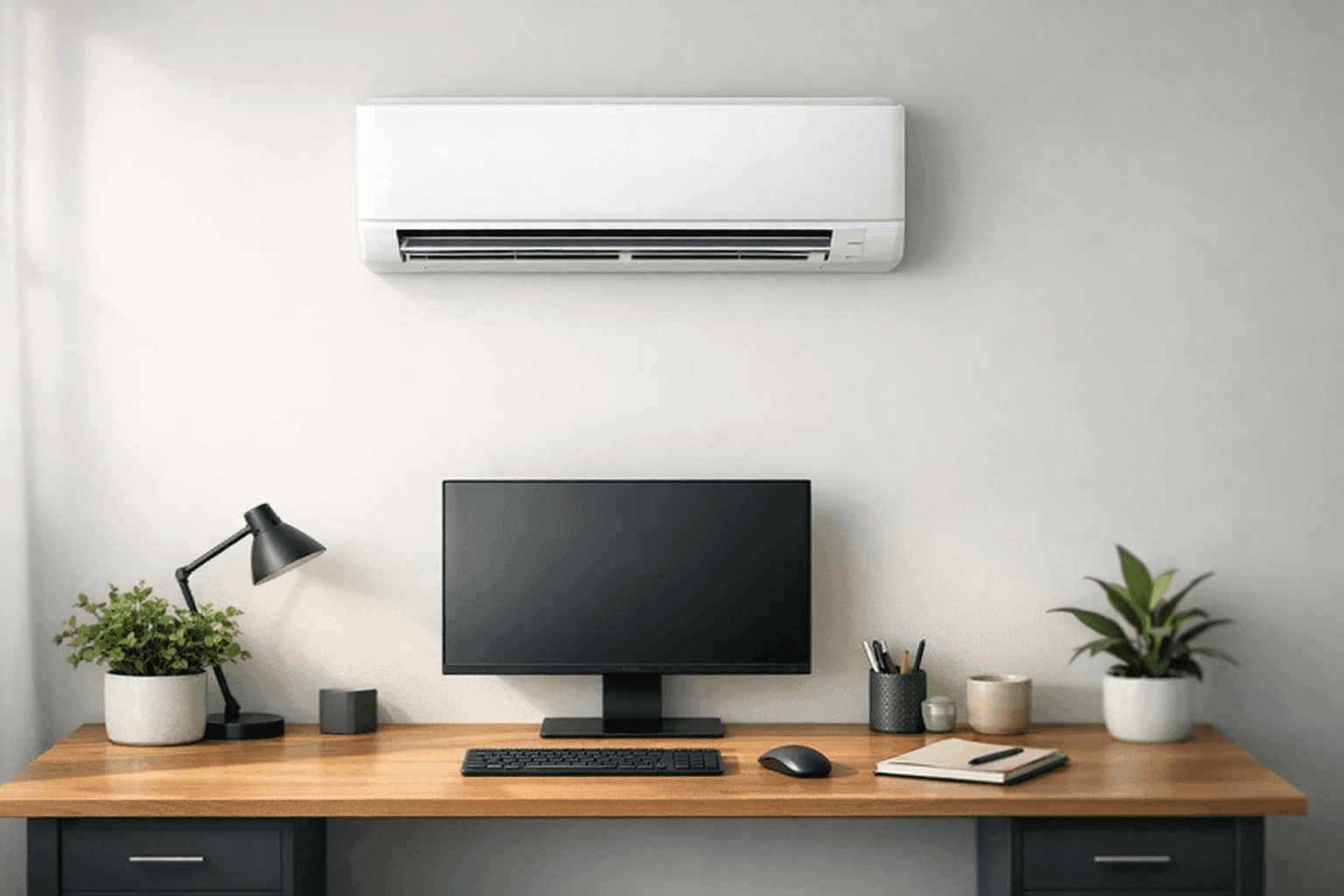
A mini-split system is a ductless HVAC solution. It has two main parts: an outdoor compressor and one or more indoor air handlers, connected by a slim bundle of cables and refrigerant lines. No sprawling ductwork. No major renovation. Air handlers mount on a wall or ceiling, each controlling its own zone.
Here’s a simple breakdown:
- Outdoor Unit: The heart of the system, pumping refrigerant to and from the inside.
- Indoor Units: The “brains”—they sense the temperature and make real-time adjustments.
- Remote Control: Set your perfect temperature for each zone.
Mini-splits deliver cooled (or heated) air directly into each space, just where you need it. No need to cool empty rooms or fight over the thermostat.
The Pros and Cons: Is the Mini-Split a Good Fit?
Every home or office has its quirks. Mini-splits aren’t a one-size-fits-all fix, but they solve problems other systems can’t.
Pros
- Efficient Zoning: Cool only what you use. Perfect for additions, sunrooms, or server-packed offices.
- Energy Savings: No leaky ducts means less wasted cooling. According to the U.S. Department of Energy, duct losses can account for more than 30% of energy use for space conditioning.
- Flexible Installation: No need to tear open ceilings or walls. Perfect for older buildings where ducts aren’t practical.
- Quiet Operation: Indoor units hum along softly, making them ideal for bedrooms and meeting rooms.
- Year-Round Comfort: Many models offer both cooling and heating.
Cons
- Upfront Cost: Mini-splits can cost more to install than window units or traditional central air, especially if you need multiple zones.
- Aesthetics: Wall-mounted units are visible, and not everyone likes the look.
- Regular Maintenance: Filters need cleaning, and outdoor units need clear airflow.
- Electrical Needs: May require upgrades to your electrical panel for larger installations.
Where Mini-Splits Shine: Ideal Spaces and Scenarios
Not every building cries out for a central HVAC system. Mini-splits are stars in:
- Older Homes: Where adding ducts would mean gutting walls or ceilings.
- Room Additions: Sunrooms, garages, finished basements, or attic conversions.
- Small Offices: Especially where zoning is a must—why cool empty conference rooms?
- Server Rooms: Keep tech cool without freezing the rest of the building.
- Apartments: Particularly in buildings that can’t support bulky ductwork.
If you want precise control, targeted cooling, or just want to avoid a major renovation, mini-splits are worth a close look.
Installation Factors: What to Know Before You Commit
Installing a mini-split is not a weekend project. Here’s what to expect:
- Electrical Requirements: Some systems run on 110V, others on 220V. Older homes may need upgrades. National Electrical Code (NEC) guidelines apply.
- Placement Matters: Indoor units should not blow directly onto workspaces or beds. Outdoor units need clear airflow and should be placed where noise won’t bother neighbors.
- Line Set Length: Keep connections between indoor and outdoor units as short as possible for best performance.
- Condensate Drainage: Each indoor unit needs a way to drain condensation safely.
- Permits and Codes: Many towns require permits. Always check local building codes or consult a licensed contractor.
Professional installation is highly recommended. Incorrect setup can lead to poor performance, higher bills, or even system damage.
Cost Considerations: Upfront and Long-Term
Mini-splits can seem pricey at first glance. Here’s how the math breaks down:
- Installation: Typically ranges from $3,000 to $7,000 per zone, depending on system size and complexity.
- Operating Costs: Lower than traditional systems if you use zoning wisely. ENERGY STAR® certified models tend to save the most.
- Maintenance: Regular filter cleaning and annual professional service keep the system efficient and catch problems early.
- Lifespan: Mini-splits often last 12–15 years, sometimes longer with good care.
Factor in rebates or tax incentives. Many states offer incentives for high-efficiency cooling systems—check the Database of State Incentives for Renewables & Efficiency (DSIRE) for current options.
Energy Efficiency: Smart Cooling Without the Waste
Mini-splits are like the hybrid cars of HVAC—nimble, efficient, and designed to minimize waste. Without ducts, you avoid the energy loss that plagues traditional systems. Plus, inverter-driven compressors ramp up or down instead of cycling on and off, using only the energy needed.
Look for the SEER (Seasonal Energy Efficiency Ratio) rating when comparing models. The higher the SEER, the more efficient the system.
Zoning Perks: Control at Your Fingertips
Imagine the power to set your bedroom to a cool 68°F, while the living room stays at 75°F for movie night. Mini-splits let you create these “microclimates” with ease.
- Reduce Arguments: No more family feuds over the thermostat.
- Cut Energy Use: Shut off units in empty rooms.
- Boost Comfort: Target hot or cold spots without freezing the whole building.
Maintenance Needs: Keep It Running Smoothly 🧰
Mini-splits are low-maintenance compared to some systems, but attention is key:
- Clean Filters: Every month during heavy use. Dirty filters reduce efficiency and can cause the system to ice up.
- Check Outdoor Units: Clear away leaves, debris, or snow.
- Annual Professional Service: A licensed technician should inspect refrigerant levels, electrical connections, and overall operation.
- DIY Basics: Wipe down indoor unit surfaces, keep remotes handy, and check drain lines for clogs.
A neglected system wastes energy and can reduce indoor air quality—a big deal for sensitive groups.
Quick Safety Checklist: Mini-Split Dos and Don’ts
- Do use a licensed electrician for any wiring needs.
- Don’t block airflow at the indoor or outdoor units.
- Do check for refrigerant leaks if performance drops.
- Don’t use extension cords or power strips.
For official safety guidance, always refer to the Occupational Safety and Health Administration (OSHA) and your local building codes.
Signs a Mini-Split Might Be Right For You
- You want to cool a new addition, garage, or isolated room.
- Your home or office lacks ductwork, or it’s in poor condition.
- You need different temperatures in different zones.
- Energy savings matter to you.
- You prefer a system that can both heat and cool.
If these sound familiar, a mini-split is likely worth exploring.
Common Mistakes to Avoid
- Oversizing or Undersizing: Bigger isn’t always better. An oversized unit short-cycles, while an undersized one runs constantly.
- DIY Installation: Improper setup can void warranties and lead to costly repairs.
- Ignoring Maintenance: Dirty filters and blocked units mean wasted energy and poor performance.
Consult a professional for sizing, placement, and installation.
Timeline & Disruption: What to Expect During Installation
Unlike traditional systems—which can tear up floors and ceilings—mini-split installation is less invasive. Still, expect:
- Site Survey: A technician visits to plan installation and determine electrical needs.
- Installation Day: Wall and ceiling brackets installed, holes drilled for line sets, units mounted, and wiring run.
- Startup: System tested and remote controls programmed.
Most installations finish in a day or two. Some larger or more complex projects may take longer, especially if electrical work is needed.
When to Call in the Pros
If you’re unsure about wiring, sizing, or placement, don’t risk a costly mistake. Brama Cooling’s licensed technicians handle every step, from selecting the perfect unit to final testing. We follow all relevant codes and manufacturer guidelines to ensure safe, lasting results.
Need help with another system, or want to explore other cooling options? Our HVAC Installation and Mini-Splits service pages have more details.
FAQ: Mini-Splits and Your Comfort
Q: Can mini-splits handle big open spaces?
A: Yes, but you may need multiple indoor units for even coverage.
Q: Are they noisy?
A: Most indoor units are whisper-quiet—much less intrusive than window units.
Q: What if I need to cool my whole house?
A: Multi-zone mini-splits are available, or you may consider a combination of solutions.
Q: How do I control them?
A: Most come with remotes, and many connect to smart thermostats near you for easy scheduling.
Ready to Explore Mini-Splits? Your Next Steps
Choosing a cooling solution for your home or office is a big decision. If you’re in the area and want to learn more about cooling services, Brama Cooling is your dedicated partner for comfort, efficiency, and peace of mind.
Call Brama Cooling now — or reach us anytime at 888-840-5035 .