How to Prepare Your AC System for Vacation or Extended Absence
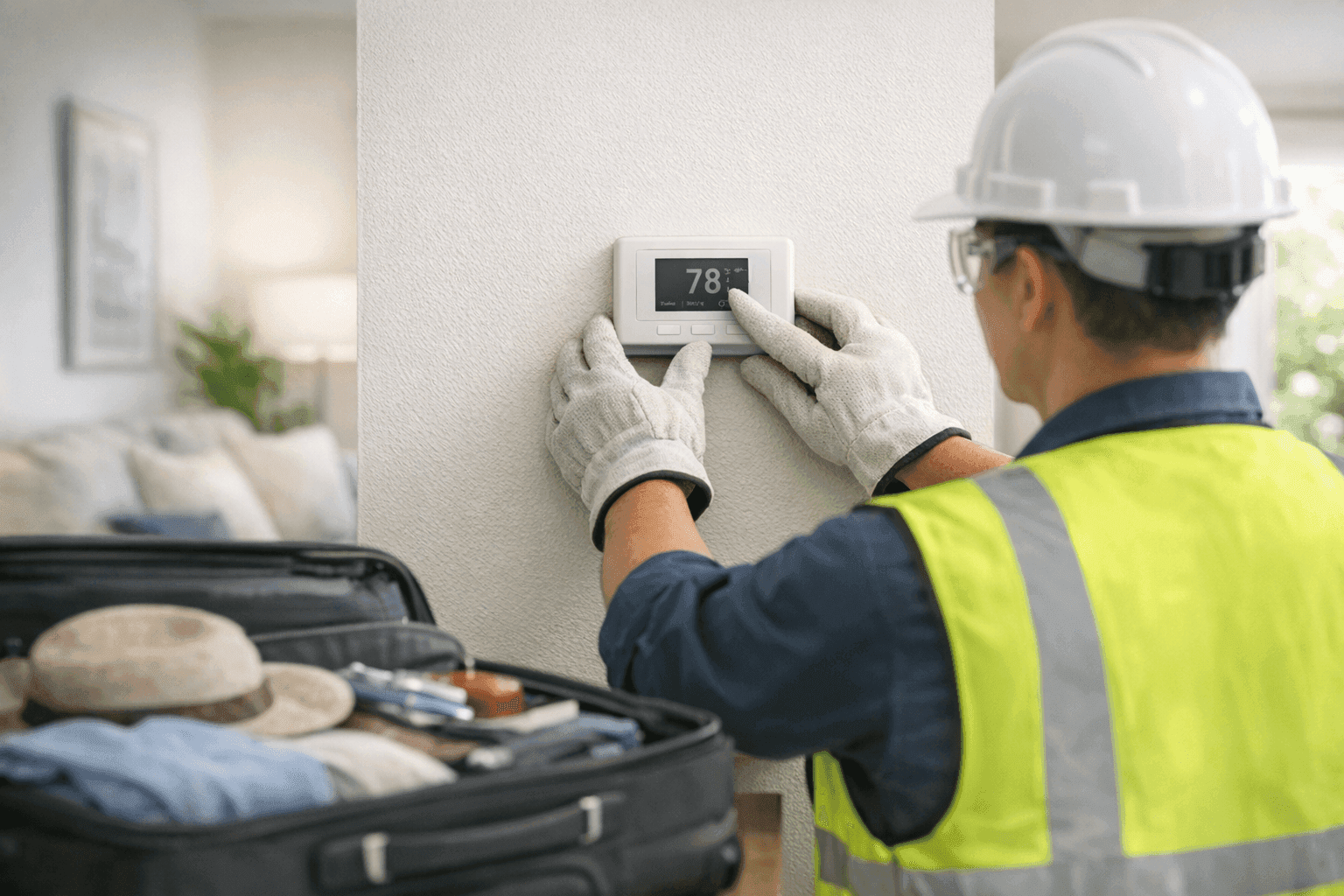
Heading out for a well-earned vacation? Or maybe an extended trip for work? Either way, the last thing you want is to return to a sweltering house, a frozen coil, or a costly energy bill. At Brama Cooling, we know that prepping your cooling system before you leave saves money, protects your property, and brings peace of mind.
Let’s walk through what matters, what to set, and how to avoid the most common AC surprises while you’re away.
Why Vacation Prep Matters 🏠
Leaving your home or business empty for days or weeks is a bit like leaving your car parked with the engine running. It’s not just about wasted energy—it’s about protecting what matters most.
- Energy waste: Cooling an empty space burns through your budget.
- Humidity risk: Too much moisture can lead to mold, warped wood, and musty odors.
- Unexpected breakdowns: A small AC issue can become a major repair if unnoticed for days.
- Insurance policies: Many insurers recommend or require steps to prevent property damage during extended absences (see the Insurance Information Institute for guidance).
Prepping your system isn’t just smart—it’s often required for coverage.
Thermostat Settings: Find the Sweet Spot
Think of your thermostat as your home’s cruise control while you’re gone. It needs just enough “gas” to keep things running, but not so much that it burns through your wallet.
- Set higher in summer: 80–85°F keeps the air moving without overcooling. This helps prevent heat and humidity buildup.
- Set lower in winter: If your system also heats, aim for 55–60°F to protect pipes from freezing.
- Programmable thermostats: These “brainy” devices let you set and forget. Set it before you leave—no need to rely on memory.
- Smart thermostats: Many offer remote access, so you can adjust from your phone if plans change. Search for “Thermostats near you” to see what’s available.
Most manufacturers, including ENERGY STAR and the Department of Energy, recommend these temperature ranges for efficiency and safety.
Managing Humidity: Don’t Let Moisture Take Over
Humidity is the hidden gremlin of an empty house. Too much, and mold takes hold. Too little, and wood cracks.
- Run your AC’s “auto” setting: This cycles air and helps keep humidity in check.
- Consider a dehumidifier: Especially in damp climates or basements. Brama Cooling installs stand-alone units and whole-home solutions.
- Check for leaks: A quick sweep for dripping pipes or clogged drains now can save a lot of headaches later.
Consult your manufacturer manual. Many recommend keeping indoor humidity below 60% for health and comfort.
Shutoff and Security Steps: Lock Down the Essentials
You’d never leave for weeks without locking the door. Your cooling and electrical systems need a security check, too.
- Surge protectors: Storms and outages can fry your AC’s sensitive parts. Surge protection is like a helmet for your system.
- Shut off water supply: If you’ll be gone for more than a week, turning off the water main is wise (as recommended by many insurance providers).
- Secure windows and doors: Gaps let hot, humid air inside, making your AC work overtime.
- Unplug appliances: Reduce “phantom” energy drain and fire risk.
Remote Monitoring: Keep Tabs from Anywhere
Gone are the days of returning to surprises. With today’s smart tech, you can peek in on your home’s climate from anywhere.
- Wi-Fi thermostats: Adjust temps remotely.
- HVAC monitoring systems: Some send alerts for breakdowns or major swings in temperature and humidity.
- Security cameras: Pair with environmental sensors for full peace of mind.
If you’re not sure which options are right for your space, Brama Cooling can help you choose and install the right setup.
Quick Safety Checklist Before You Leave
Run through this 10-minute checklist the night before departure:
- Adjust thermostat to vacation setting.
- Make sure filters are clean (a clogged filter strains the system).
- Check that all vents are open and unblocked.
- Inspect for leaks or standing water near the AC unit.
- Test your backup generator if you have one.
- Confirm surge protection is active.
- Lock all windows and doors.
A little prep now means fewer worries later.
DIY vs. Call a Pro: What Can You Do?
Some tasks are perfect for a handy homeowner or business manager. Others need a professional’s touch.
You can:
- Adjust thermostats and settings.
- Change or clean filters.
- Unplug electronics.
- Check visible ductwork for dust or mold.
Call Brama Cooling for:
- AC tune-ups and maintenance ([/services/ac-maintenance]).
- HVAC inspections and cleaning ([/services/hvac-maintenance]).
- Installing dehumidifiers or air scrubbers.
- Diagnosing persistent humidity or airflow issues.
A professional eye can spot issues that might escape a quick look.
What Pros Do On Arrival
When you schedule a maintenance visit before vacation, here’s what our techs typically do:
- Inspect and clean coils, drains, and filters.
- Test thermostat programming and batteries.
- Check refrigerant levels and system pressure.
- Verify airflow and balance across rooms.
- Inspect surge protection and electrical connections.
- Test backup generators if installed.
We follow manufacturer guidelines and local safety codes to ensure you leave with confidence.
Prevention & Maintenance: Set the Stage for Success
Think of regular maintenance as your system’s routine checkup—like changing oil before a road trip.
- Schedule tune-ups at least once per year.
- Clean or replace air filters every 1–3 months.
- Have your ductwork inspected for blockages or leaks.
- Test your generator and backup systems annually.
For homeowners in the area, professional HVAC Maintenance is just a call away.
Costs & Time Factors: What to Expect
Vacation prep doesn’t have to break the bank.
- DIY prep: Adjusting thermostat and cleaning filters costs nothing but a few minutes.
- Professional tune-up: Typically takes 60–90 minutes and helps avoid much costlier repairs.
- Smart thermostats or surge protectors: Upfront investment, but saves energy and prevents damage.
Ask your insurance agent if maintenance or upgrades qualify for discounts on your policy.
When It’s an Emergency
If you return to a sweltering house, musty smell, or water on the floor, don’t wait.
- Turn off the AC and call for emergency service.
- Document any damage for insurance.
- Avoid running a system that’s making strange noises or blowing warm air.
Brama Cooling offers 24-hour emergency help—just in case.
Seasonal Considerations: Summer vs. Winter
- Summer: Focus on humidity, airflow, and surge protection.
- Winter: Prevent freezing; insulate pipes and set heating low but safe.
- Spring/Fall: Best times for routine maintenance and filter changes.
Tailoring your prep for the season helps avoid the most common pitfalls.
Common Mistakes to Avoid
- Turning your AC off completely in hot climates (invites humidity and heat damage).
- Leaving blinds or curtains wide open (solar gain heats up interiors fast).
- Forgetting to replace old filters.
- Ignoring minor leaks or unusual noises before you leave.
A little attention now keeps your system humming.
Signs of Trouble to Watch For
When you get home, check for:
- Stale or musty odors
- Uneven temperatures
- Unusual noises from the AC unit
- Water pooling near vents or the unit
If you spot any of these, schedule a checkup. Fast attention prevents small problems from growing.
Timeline & Disruption: How Long Does Prep Take?
Most vacation prep for your AC system is quick—think 15–30 minutes for DIY steps. A professional tune-up or inspection can be completed in under two hours, often with minimal disruption to your day.
Plan for extra time if you’re adding new tech like smart thermostats or humidity monitors.
Materials & Equipment You’ll Need
- Clean air filters (size per your system’s manual)
- Surge protector (if not already installed)
- Wi-Fi thermostat or monitor (optional)
- Duct tape for visible leaks (temporary fix only)
- Flashlight for inspection
Having these on hand keeps you prepared for every trip—long or short.
FAQ: Quick Answers for Busy Travelers
Q: Should I turn my AC off completely when I leave? A: No. Set it higher, but don’t turn it off. You want to control humidity and maintain safe temperatures.
Q: How often should I schedule maintenance? A: At least once per year for most systems, or as recommended by your manufacturer.
Q: What if I forget to prep before leaving? A: Call a professional for an inspection when you return, especially if you notice any problems.
Ready to Leave—and Return—Worry-Free?
A little prep goes a long way. Save energy, protect your property, and come home to comfort. Whether you need a quick tune-up, advice on smart thermostats, or full AC maintenance, Brama Cooling is here for you.
Call Brama Cooling now — or reach us anytime at 888-840-5035 .