How to Prepare Your HVAC System for a Power Outage
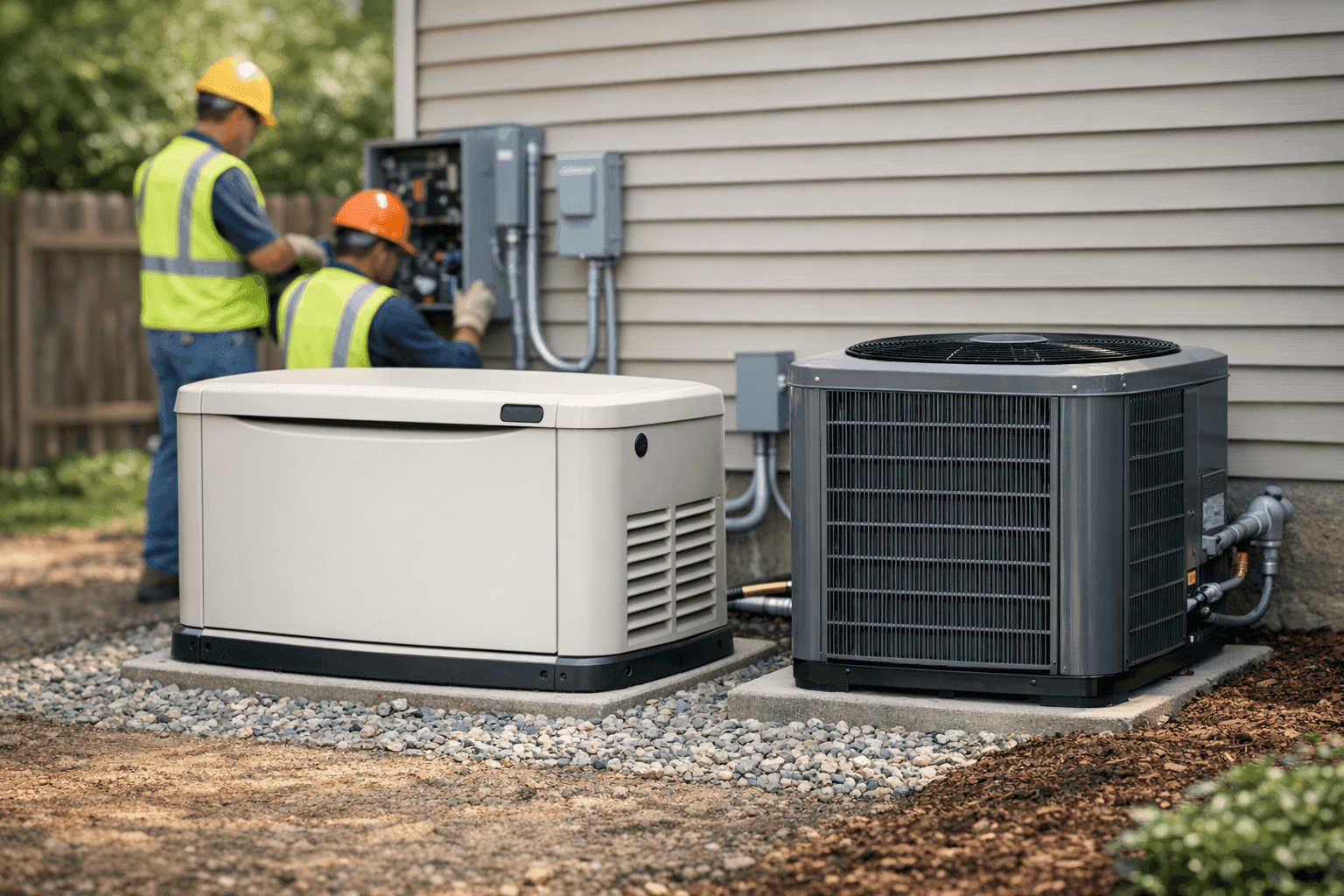
When the lights go out, your comfort is the first thing you notice. A power outage can turn a peaceful home or a productive business into a stuffy, stressful environment fast. Worse still, your hard-working HVAC system faces risks you can’t see—until they show up as costly repairs.
At Brama Cooling, we know how crucial it is to keep your cooling running, even when the grid goes dark. Let's walk through steps to prepare your HVAC system for a power outage. This guide will help you minimize damage, maintain safety, and avoid a meltdown when you need cooling most.
Risks of Power Outages for HVAC
A sudden blackout is more than just an inconvenience. Your HVAC system is vulnerable to:
- Electrical surges when the power returns, which can fry sensitive electronics in thermostats and control boards.
- Short cycling or system lockouts if the unit restarts improperly.
- Mechanical stress from hard shutdowns, which can damage compressors and fans.
- Poor indoor air quality as air circulation stops, allowing dust and humidity to rise.
An outage can leave you in the heat—or freeze—without warning. According to the U.S. Department of Energy, HVAC systems are among the most sensitive to voltage fluctuations after an outage. That’s why preparation matters.
Protecting Your System ⚡
Preparation is your best defense. Here’s what you can do to shield your HVAC system before, during, and after a power outage:
Before the Outage
- Install surge protection: Whole-house surge protectors, especially at your main electrical panel, act like a shield against voltage spikes. Don’t forget point-of-use surge strips for thermostats near you.
- Schedule preventive HVAC Maintenance: Regular checks help catch weak relays, aging capacitors, and other components that could fail under power stress.
- Check your thermostat settings: Modern programmable thermostats can be sensitive to outages. Make sure yours has a battery backup and store your programmed settings.
- Secure your system: In storm-prone regions, tie down outdoor units and clear debris that could cause damage if the unit powers down suddenly.
During the Outage
- Turn off your HVAC system at the thermostat. This prevents sudden restarts when the power returns, reducing the chance of electrical damage.
- Unplug sensitive electronics if safe to do so.
After Power Returns
- Wait 5–10 minutes before restarting. This lets power stabilize and protects compressors from hard starts.
- Listen and observe. Odd noises, flashing lights, or persistent error codes mean it’s time to call a pro.
- Check your air quality. If you notice musty smells or humidity, change your filters or run an air scrubber once power is restored.
Backup Generator Options
A backup generator is like an umbrella on a stormy day—essential when you need it, easy to forget when you don’t. Choosing the right one for your HVAC system is key.
Portable vs. Standby Generators
- Portable generators are budget-friendly but require manual setup and safe outdoor operation.
- Standby generators turn on automatically and can power your entire home or business, including central cooling.
Sizing Your Generator
- Don’t guess. Your HVAC system’s startup current is much higher than its running wattage. Oversizing is better than undersizing.
- Professional calculation matters: Brama Cooling performs detailed load analysis during every Generator Installation.
Licensed Electrical Work
- Why licensing matters: Only licensed electricians are permitted to connect standby generators to your home’s electrical system. It’s a matter of safety—and code compliance.
- National Fire Protection Association (NFPA 70): Follow the National Electrical Code for all generator installs and transfer switches.
Safety Tips During Outages 🛑
Safety first—always.
- Never use a portable generator indoors. Carbon monoxide is invisible and deadly.
- Keep the generator dry and grounded. Water and electricity never mix.
- Test carbon monoxide detectors regularly.
- Don’t attempt DIY electrical work. It’s tempting in an emergency. But crossing wires can void warranties and cause fires.
- Know your limits: If you’re unsure, reach out for professional help.
Quick Safety Checklist
- [ ] Surge protector installed
- [ ] Thermostat battery backup checked
- [ ] Generator sized and tested
- [ ] Main HVAC breaker location known
- [ ] Emergency HVAC contact saved
DIY vs. Call a Pro
Some tasks you can handle on your own—like resetting a tripped breaker or changing a filter. But when it comes to electrical systems, generator wiring, or diagnosing damage after an outage, always call a licensed technician.
Brama Cooling’s team follows Occupational Safety and Health Administration (OSHA) and local building codes for every job, keeping your system and family safe.
What Pros Do On Arrival
When we arrive after a blackout, here’s what our technicians inspect:
- System controls and relays for surge damage
- Capacitors and contactors for electrical arcing
- Thermostats and sensors for error codes
- Air handlers and blowers for debris or overheating
- Generator output and transfer switches for safe operation
Prevention & Maintenance
Routine maintenance is the unsung hero of HVAC reliability. Our maintenance plans include:
- Testing system startups
- Inspecting surge protection devices
- Cleaning and lubricating moving parts
- Adjusting thermostat programming
- Checking generator fuel and battery status
Seasonal tune-ups catch problems before they cause outages or worsen after one.
Costs & Time Factors
Investing in surge protection and generator installation is far cheaper than replacing a burned-out compressor or fried circuit board. A portable generator setup can be completed in a few hours; standby systems take longer but offer seamless protection.
Maintenance and safety checks typically take an hour or two and can be scheduled around your routine.
When It’s an Emergency
If your HVAC won’t restart after the power comes back—or you smell burning, see smoke, or hear loud buzzing—turn off the breaker and call us right away. Don’t try to force the system on. Safety is everything.
Common Mistakes After Outages
- Restarting the system too soon
- Ignoring strange noises or error codes
- Failing to check generator oil or fuel
- Attempting DIY electrical fixes
- Forgetting to reset programmable thermostats
Stay patient. Let power stabilize, and always follow safe restart procedures.
Signs of Trouble
Watch for:
- System fails to turn on or short cycles
- Tripped breakers or blown fuses
- Unusual odors or noises
- Poor airflow or warm air when cooling is needed
If you notice any of these, reach out to your cooling company for fast, licensed help.
Timeline & Disruption
Most outages are brief, but repeated power events can weaken HVAC components over time. The longer the power is out, the more attention your system may need once it’s back up and running.
Materials & Equipment Checklist
- Whole-house surge protector
- Programmable thermostat with battery backup
- Portable or standby generator (properly sized)
- Extension cords rated for generator use
- Air filters and spare fuses
- Flashlight and fresh batteries
FAQ: Power Outages & HVAC
Q: Will a power outage damage my AC or furnace?
A: Not always—but repeated outages or improper restarts can lead to expensive failures.
Q: Can I run my AC on a portable generator?
A: Only if the generator is sized for the AC’s startup load. Most window units are fine; central systems usually need a standby generator.
Q: How often should I schedule HVAC maintenance?
A: Twice a year—before heating and cooling seasons kick in.
Q: What if my thermostat resets after an outage?
A: Many thermostats lose programming if they lack battery backup. Restore settings manually or consult your owner’s manual.
Seasonal Considerations
Storm season brings more outages. Test your generator, check surge protection, and schedule a maintenance visit before the forecast turns wild.
In winter, outages can leave pipes vulnerable to freezing. In summer, high humidity and heat can quickly damage interiors without active cooling.
Final Thoughts
Preparing for a power outage takes a little planning, but the payoff is peace of mind—and a safer, longer-lasting HVAC system. From surge protection to generator installation, Brama Cooling helps keep your comfort running, rain or shine.
Call Brama Cooling now — or reach us anytime at 888-840-5035 .