How to Prevent AC Breakdowns During Extreme Heat
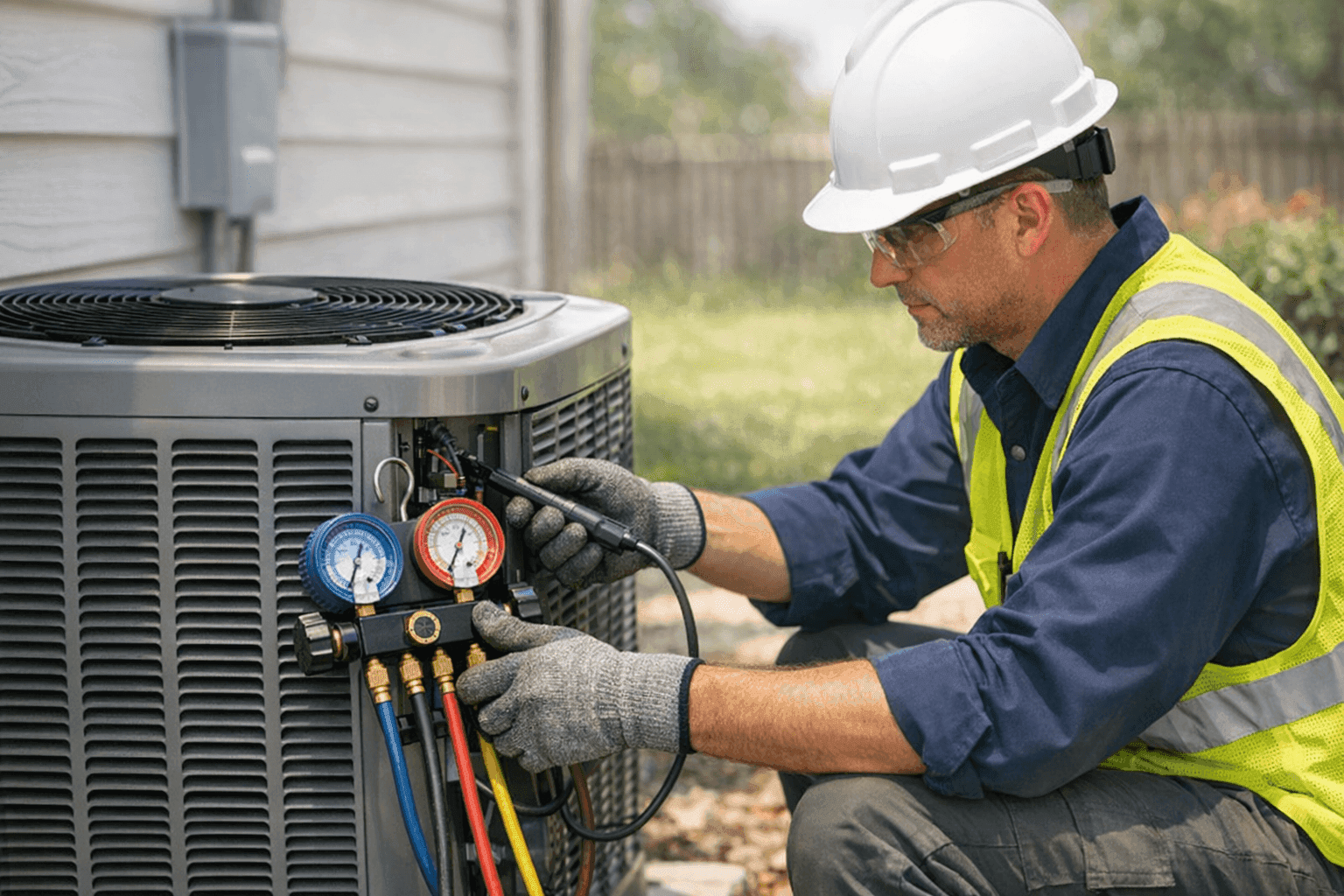
Sweltering days put your air conditioner to the ultimate test. Nobody wants to come home, sweating and tired, only to find the AC’s given up. At Brama Cooling, we’ve seen first-hand how extreme heat can push cooling systems beyond their limits. The good news? Most breakdowns can be prevented with a few simple steps.
Let’s walk through how you can keep your home or business comfortable, even when the sun feels relentless.
Why ACs Fail in Extreme Heat 🌡️
Air conditioners are like marathon runners during a heatwave—they work harder, longer, and sometimes, they just can’t keep up. Several common culprits lead to breakdowns:
- Clogged filters: When airflow is blocked, your AC strains to cool. Think of it as running with a stuffy nose.
- Dirty coils: Dust and grime on evaporator or condenser coils act like a winter coat, trapping heat instead of letting it escape.
- Low refrigerant: Not enough “fuel” to keep the system running smoothly.
- Incorrect thermostat settings: Constantly changing the temperature or setting it unrealistically low makes your system overwork.
- Electrical issues: Heat can stress capacitors and wiring, leading to sudden failures.
According to the Air Conditioning Contractors of America (ACCA), maintenance and proper filter changes significantly reduce the risk of summer breakdowns.
Maintenance Musts: Simple Steps to Keep Cool
Routine care is the secret to dodging costly repairs and uncomfortable surprises. Here are the essentials:
1. Change Those Filters
Just like breathing through a straw, your AC struggles with a clogged filter. Replace or clean filters every 30-60 days—more often if you have pets, allergies, or run your system nonstop.
2. Keep Coils Clean
Both evaporator and condenser coils need to be free of dust and debris. Outdoor units often get covered in leaves or grass clippings. Use a gentle brush or rinse with a hose (power off first). Indoors, coils can be checked during regular AC Maintenance visits.
3. Set Your Thermostat Wisely
Set it and forget it—constant adjustments wear your system out. The U.S. Department of Energy recommends 78°F (26°C) when you’re home and higher when you’re away. Smart thermostats near you can automate these changes, saving energy and reducing strain.
4. Check Your Vents
Blocked or closed vents make rooms stuffy and force your system to work overtime. Walk through your space and ensure all vents are open and clear of furniture or drapes.
Emergency Cooling Tips for Heatwaves
When the temperature outside soars, and your AC’s struggling to keep up, try these stop-gap measures:
- Close blinds and curtains: Sunlight can bake your space. Keep it out.
- Use ceiling fans: Set them to spin counterclockwise to push cool air down.
- Limit heat-producing activities: Cooking, laundry, or running electronics can add extra heat.
- Stay hydrated: It helps you feel cooler even if the air is warm.
If your system stops altogether, turn it off to prevent further damage and call for help. Don’t try to fix complex issues on your own.
When to Call for Help
Sometimes, a professional is the only way forward. Call Brama Cooling if you notice:
- Warm air blowing instead of cool
- Unusual noises or vibrations
- Strange smells (especially burning or musty odors)
- Ice forming on indoor or outdoor coils
- The system won’t turn on, runs constantly, or cycles rapidly
Our certified technicians follow manufacturer and industry safety guidelines, including National Electrical Code and EPA refrigerant handling standards.
What Pros Do on Arrival
A qualified pro will:
- Inspect electrical connections and capacitors
- Test refrigerant pressure and look for leaks
- Clean coils and drain lines
- Check thermostat calibration
- Assess airflow and balance throughout your space
This thorough approach ensures nothing is missed and your system operates safely and efficiently.
Quick Safety Checklist Before the Heat Hits
- Change or clean filters
- Clear debris from around outdoor unit
- Check thermostat batteries and settings
- Listen for odd sounds during operation
- Schedule seasonal HVAC Maintenance
DIY vs. Call a Pro
Changing filters and clearing debris? Go for it. But if you detect electrical problems, refrigerant leaks, or persistent issues, don’t risk a DIY fix. HVAC systems carry high voltage and use regulated chemicals. The Environmental Protection Agency (EPA) requires certified technicians for refrigerant work.
Signs Your AC Is in Trouble
Watch for these warning flags:
- Weak airflow or hot spots in rooms
- Water pooling near the indoor unit
- Frequent on/off cycling
- A sudden spike in your energy bill
- Thermostat not responding
Catching these early can save money and sweat.
Seasonal Considerations
Before each cooling season, schedule an inspection. Spring is ideal. But if you missed it, mid-summer is better than not at all. For businesses, regular maintenance is often required by building codes and insurance carriers.
Common Mistakes—and How to Avoid Them
- Ignoring filter changes: It’s the fastest way to stress your system.
- DIY coil cleaning with harsh chemicals: These can damage sensitive fins and void warranties.
- Blocking vents: Rearranging furniture? Double-check airflow paths.
- Setting the thermostat too low: Your AC can only do so much. Setting it below 68°F (20°C) risks freezing coils and breakdowns.
How Long Does AC Maintenance Take?
A thorough tune-up usually takes 60-90 minutes for a residential system. Commercial systems or those needing extra repairs may require longer. Timely maintenance means less disruption and more comfort.
What Materials or Equipment Are Needed?
- Replacement filters (check your model)
- Soft brush and garden hose for coils
- Screwdriver for vent covers
- Smart thermostat (optional but highly recommended)
- Flashlight for inspecting dark areas
Most homeowners can handle the basics, but a pro brings specialized gauges, meters, and training.
Costs and Savings
Routine maintenance is an investment. According to ENERGY STAR, well-maintained AC units use up to 15% less energy. That adds up on utility bills and reduces the risk of emergency repairs.
When It’s an Emergency
If your system stops during a heatwave, that’s an emergency—especially for vulnerable individuals or businesses with sensitive equipment. Brama Cooling offers 24 hour emergency service, so you’re never left sweating through the night.
If you’re in the South Hill area, our HVAC Maintenance team can help keep your cooling system running strong, no matter how high the mercury climbs.
FAQs
How often should I schedule AC maintenance?
At least once a year—ideally before summer.
Can I use my AC while waiting for repairs?
If it’s blowing warm air or making noises, shut it down and wait for a technician to prevent further damage.
What’s the best thermostat setting for energy savings?
78°F (26°C) is recommended when at home during the summer.
Are portable fans a good backup?
Yes, but they only move air—they don’t lower the temperature. Use in combination with AC for best comfort.
Call Brama Cooling now — or reach us anytime at 888-840-5035 .