How to Protect Your AC System from Power Surges
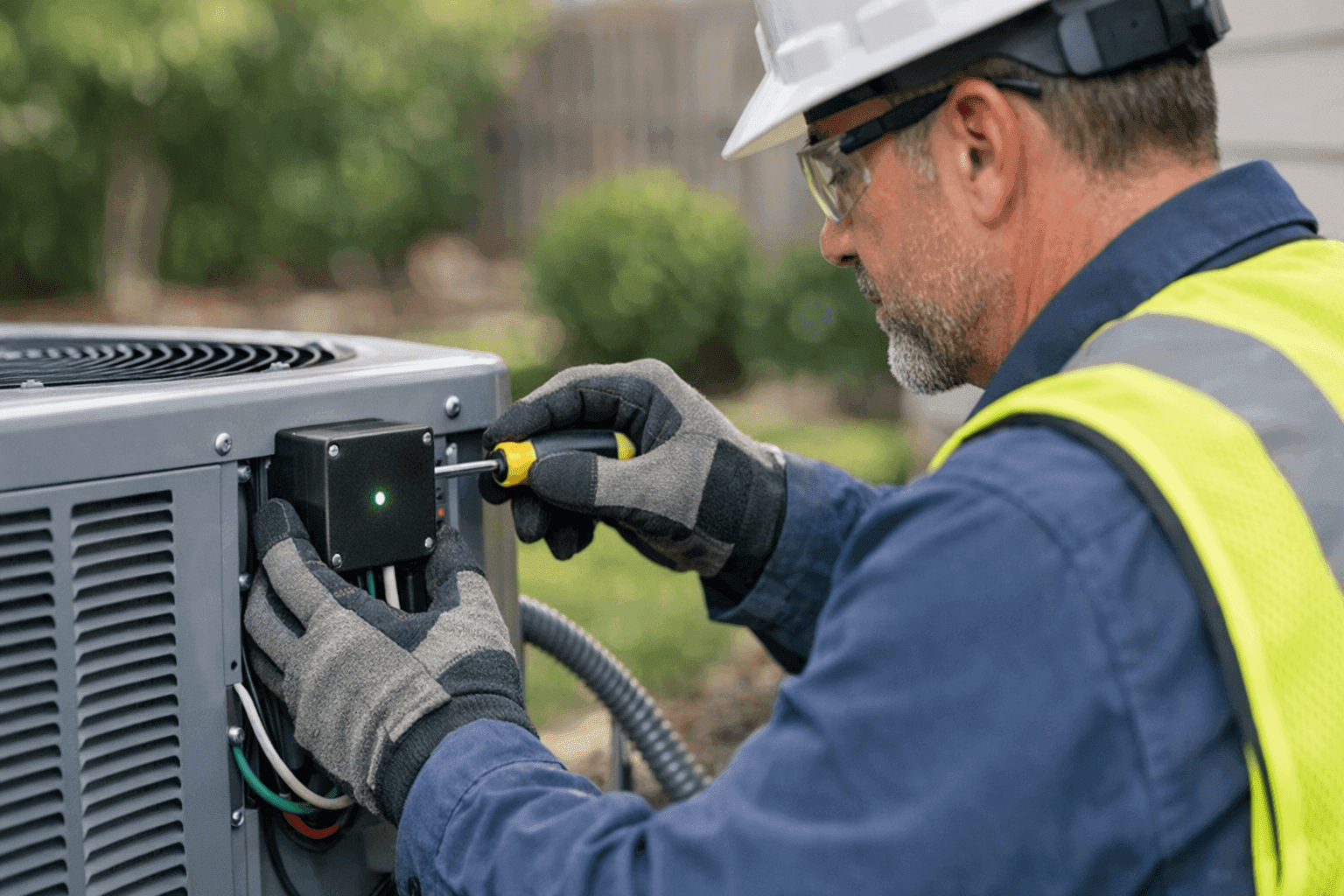
Is your air conditioner ready for the next big storm—or that sudden blackout? Most people don’t think about power surges until it’s too late. One jolt and your cooling system could be toast.
At Brama Cooling, we’ve seen AC units fried in a flash by unpredictable voltage spikes. A little prevention goes a long way. Let’s break down what you can do, how to spot trouble, and why professional installation keeps your system safe.
Why Surges Happen ⚡
Power surges are like unexpected tidal waves in your electrical system. They hit hard, often without warning, sending extra voltage surging through your wires. Here’s why they happen:
- Lightning strikes: Even if lightning doesn’t hit your home directly, it can travel through power lines and wreak havoc.
- Power grid issues: Utility switching, downed lines, or sudden load changes can cause spikes.
- Large appliances turning on/off: That thump when your fridge or generator powers up? It can send ripples through your system.
- Backup generators: If not installed or transitioned properly, backup power can create surges as it kicks in.
For homes and businesses alike, these spikes are bad news for sensitive electronics—including your AC.
Common Damage from Surges
A power surge can turn your reliable air conditioner into a hunk of metal and wire. Here’s what can go wrong:
- Fried circuit boards: The “brains” of your AC are vulnerable. One surge can force a replacement.
- Compressor damage: The heart of your cooling system, and one of the most expensive parts to fix.
- Burned-out capacitors and relays: These small parts are critical for starting and running your AC smoothly.
- Wiring insulation melts: Not always visible at first, but a safety hazard that can shorten your system’s life.
Sometimes the damage is instant. Other times, components weaken over time, leading to mysterious breakdowns later.
The Hidden Costs of AC Damage
A ruined air conditioner isn’t just uncomfortable. It can be expensive. Repairing or replacing burned-out parts (or the whole unit) can cost hundreds or thousands of dollars. Add in lost productivity for businesses, or sleepless nights at home, and the real cost is much higher.
Insurance may cover surge damage—but only if you have the right policy and can prove the cause. Many policies have fine print about “electrical events.” It’s worth double-checking your coverage with your agent.
Surge Protection Devices: Your AC’s Shield 🛡️
Think of a surge protector as a security guard for your cooling system. It intercepts excess voltage, sending it safely to ground so your AC stays safe.
Types of surge protection for AC systems:
- Whole-house surge protectors: Installed at your main electrical panel. They guard everything—HVAC, appliances, and electronics.
- Dedicated AC surge protectors: Mounted near your outdoor condenser or air handler, for focused protection.
- Plug-in surge strips: Good for electronics, but not strong enough for your AC system.
Make sure any surge protector is rated for HVAC use and meets UL 1449 standards (per the National Electrical Code).
Professional Installation Tips
Installing a surge protector isn’t a casual DIY project. In fact, the National Electrical Code (NEC) requires a licensed electrician for this kind of work. Here’s why:
- Proper grounding: Surge protectors work only if your electrical system is correctly grounded.
- Correct sizing: Each AC system has unique voltage and amperage needs.
- Code compliance: Safety standards exist for a reason—protecting your property and everyone inside.
At Brama Cooling, we always use licensed technicians for surge protector installation. You get peace of mind knowing the job’s done right—and up to code.
Quick Safety Checklist
Before summer storms roll in, run through this list:
- Check that all your major appliances have surge protection.
- Verify your home’s grounding system is intact (ask a pro if unsure).
- Test your backup generator regularly—but make sure it’s installed with a transfer switch to avoid surges.
- Schedule AC Maintenance to spot hidden electrical risks.
DIY vs. Call a Pro
Changing a filter or flipping a breaker? Sure. But when it comes to surge protection, it’s best to call in the pros. Here’s why:
- Incorrect installation can void your warranty—or worse, risk a fire.
- Specialized tools are needed to test voltage and grounding.
- Local code requirements change, and professionals stay up to date.
A licensed electrician knows how to protect your AC unit from the inside out.
What Pros Do On Arrival
When Brama Cooling visits your home or business, our process is thorough:
- Inspect your electrical panel and existing protection.
- Test grounding and look for signs of old wiring.
- Install or upgrade the surge protector, matching specs to your AC system.
- Test everything under load to ensure full protection.
We’ll also walk you through the basics—so you know what to watch for and when to call us.
Prevention & Maintenance
Surge protection isn’t “set it and forget it.” Like your AC filter, these devices need a checkup during regular HVAC Maintenance. Over time, surge protectors can wear out (especially after big storms).
Ask your technician to:
- Inspect surge protectors during each maintenance visit.
- Test for any signs of electrical arcing or loose connections.
- Replace units that show signs of wear or after a known surge event.
Costs & Time Factors
Surge protection is an investment—one that usually pays for itself the first time a big spike hits. Expect:
- Whole-house surge protector install: Usually completed in under two hours.
- Cost: Far less than replacing a fried AC or lost productivity.
- Insurance benefits: Some policies may offer discounts for surge protection. Ask your agent!
When It’s an Emergency 🚨
If your AC stops working after a storm or power outage, act fast:
- Turn off your system at the breaker.
- Call a professional—don’t try to restart the unit.
- Avoid using extension cords or makeshift repairs.
Brama Cooling offers 24 Hour Emergency Service to get your cooling back online safely.
FAQ: Surge Protection and Your AC
Do surge protectors stop all damage?
They greatly reduce risk, but nothing is 100%. Direct lightning strikes can overwhelm any system.
Is my generator safe?
If installed with a transfer switch and surge protection, yes. Without these? You’re rolling the dice.
How do I know if my surge protector is working?
Some have indicator lights. But the surest way is through regular inspection during maintenance.
Seasonal Considerations
Surges aren’t just a summer problem. Winter storms, ice, and heavy winds all threaten power lines. Schedule surge protection before storm season—don’t wait for a close call.
Common Mistakes to Avoid
- Relying on power strips or “cheap” protectors for your AC.
- Ignoring your home’s grounding system.
- Skipping regular maintenance.
- Assuming insurance will “just cover it.”
Signs of Trouble
Watch for:
- AC won’t turn on after a power outage.
- Circuit breaker keeps tripping.
- Unusual smells (burnt or metallic).
- Flickering lights when the AC starts.
If you notice any of these, shut off the system and call for help.
Timeline & Disruption
Most surge protection installs cause minimal downtime. You might lose power for an hour or two—less for most jobs. Plan for a quick visit, and know your cooling will be safer when we’re done.
Materials & Equipment
Only use surge protectors labeled for HVAC use. Look for:
- UL 1449 certification.
- Ratings for the voltage and amperage of your system.
- Durable enclosures for outdoor units.
Professionals bring the right gear—so you don’t have to guess.
Why Brama Cooling?
We’re committed to keeping your home or business comfortable, safe, and efficient. Our team uses licensed electricians, follows all code requirements, and checks every detail—from surge protection to regular maintenance.
If you’re in the area, our cooling company is ready to help with surge protection, maintenance, and all your AC needs.
Call Brama Cooling now — or reach us anytime at 888-840-5035 .