What’s the Right Thermostat for Your HVAC System?
Is your home never quite the temperature you want? Is your office too cold in the morning and a sauna by lunch? If you’re wrestling with comfort—or your energy bills—your thermostat could be the unsung hero (or villain) in the story.
At Brama Cooling, we know a thermostat isn’t just a switch on the wall. It’s the brain of your cooling system. Let's break down what you need to know to make the smartest choice for your space and wallet.
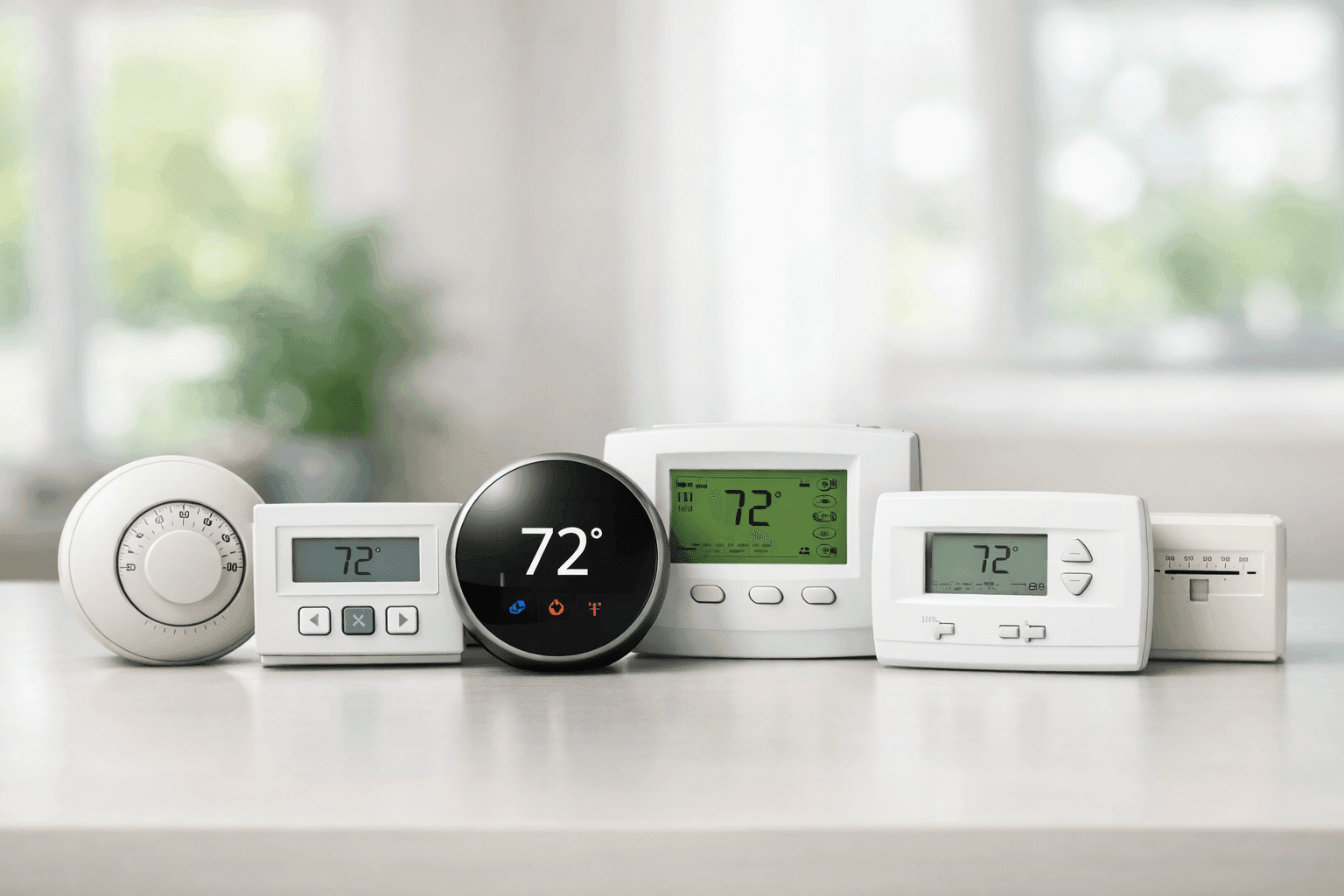
Thermostat Types: Beyond the Basics
Not all thermostats are created equal. Some are as simple as an on/off light switch, while others are like a personal assistant for your cooling system. Here’s a quick rundown:
- Manual Thermostats: The classic. Turn a dial or slide a lever to adjust temperature. Reliable but basic—no scheduling, no WiFi.
- Programmable Thermostats: Set schedules for different times of day. They remember for you, so you don’t have to.
- Smart Thermostats: WiFi-connected and often app-controlled. Some even learn your schedule and preferences, turning your home into a comfort zone before you walk in.
- Zoned Thermostats: Control temperatures in different rooms. Great for big homes or offices where some areas always run hot or cold.
- Line-Voltage Thermostats: Used mainly for electric baseboard heaters, not standard central HVAC.
Choosing the right type is a bit like picking shoes: you want the fit that matches your lifestyle.
Choosing Compatibility: Will It Work With Your System? 🛠️
Before you fall in love with the latest gadget, make sure it’s a match for your HVAC.
- System Voltage: Most residential systems use 24V (low voltage), but some older or commercial setups use high voltage. Check your current thermostat or manual.
- Wiring: Modern systems usually have a C-wire (common wire) for power. No C-wire? Some smart thermostats can work around it, but not all.
- Type of System: Do you have central air, a heat pump, a multi-stage system, or mini-splits? Not every thermostat plays well with every system.
- Advanced Features: If you have zoning or humidifiers, you’ll need a thermostat that supports those extras.
When in doubt, our thermostats service can help you decode what’s behind your wall.
Top Features: What Makes a Thermostat Smart? 💡
Thermostats can do more than just set the temperature. Here’s what sets the smartest apart:
- WiFi Connectivity: Control from anywhere using your smartphone. Handy for vacation homes or offices.
- Voice Control: Many work with Alexa, Google Assistant, or Apple HomeKit.
- Learning Algorithms: Some thermostats “learn” your routine and adjust automatically.
- Remote Sensors: Place these in different rooms to balance comfort throughout your space.
- Zoning: Control separate areas independently for maximized comfort and savings.
- Energy Usage Reports: See where your energy goes, and get tips to cut waste.
- Scheduling: Set up daily or weekly temperature routines.
Think about which features will actually make your life easier. Sometimes, simple is better—but for large homes or busy schedules, the extras pay off.
DIY vs. Professional Installation: What’s Right for You?
Swapping a basic thermostat is often a quick Saturday morning project. But adding smart features or zoning? That’s more like rewiring the steering wheel on your car. Here’s how to decide:
-
DIY Makes Sense If:
- You’re replacing a manual or programmable thermostat with the same type.
- Wiring matches up (and you have a C-wire if needed).
- You’re comfortable shutting off power and following instructions.
-
Call a Pro When:
- Your system is complex (multi-stage, heat pumps, zoning).
- You’re adding WiFi or smart features that need new wiring.
- You’re not sure what wires do what—or if your breaker panel is a mystery.
Remember: Incorrect wiring can damage your HVAC or void warranties. When in doubt, professional installation is a smart investment.
Installation Tips: Setting Yourself Up for Success
If you’re going the DIY route, follow these basics for a smooth install:
- Turn off power at the breaker before starting.
- Take a photo of the old thermostat wiring before disconnecting anything.
- Label wires as you disconnect them.
- Mount the new thermostat and connect wires as directed.
- Restore power and test all functions—heating, cooling, fan, and any special features.
- Program schedules or connect to WiFi as needed.
Refer to the manufacturer’s installation manual every step of the way. If you’re unsure, the National Electrical Code (NEC) offers safety guidance for low-voltage wiring.
Energy Efficiency: How the Right Thermostat Saves Money
A good thermostat is like a coach for your HVAC—pushing it to work smarter, not harder. The U.S. Department of Energy estimates that proper use of programmable thermostats can save you up to 10% a year on heating and cooling.
- Setback Schedules: Lower the temperature when you’re asleep or away.
- Zoning: Don’t cool empty spaces—focus only where you need comfort.
- Smart Alerts: Get notified if your system runs too long or needs maintenance.
Pairing a smart thermostat with regular AC installation or maintenance maximizes savings.
Common Mistakes to Avoid
Don’t let these simple blunders derail your comfort:
- Wrong Type: Buying a thermostat that doesn’t work with your system.
- Bad Location: Placing it near windows, vents, or in direct sunlight skews readings.
- Ignoring the C-wire: Skipping this step can cause malfunctions in smart thermostats.
- Over-Programming: Setting schedules too aggressively can cause your system to cycle too often, wasting energy.
Signs It’s Time to Upgrade Your Thermostat
- Temperature Swings: Feels like a rollercoaster ride between hot and cold.
- High Energy Bills: Your system might be running when it shouldn’t.
- Manual Hassle: Tired of constantly adjusting the dial?
- No Connectivity: Can’t control your system remotely.
A new thermostat is often the quickest fix for chronic comfort and energy issues.
Timeline & Disruption: What to Expect
- Simple Swap: 20–30 minutes, minimal disruption.
- Smart/Zoned Install: 1–2 hours or more, possibly some wall patching or wiring work.
- Professional Install: Usually under two hours, with a full system check and setup.
Plan for a short window without cooling or heating, especially if you’re upgrading during extreme weather.
Safety Checklist: Don’t Skip These Steps 📝
- Power OFF before touching any wires.
- Check for compatible voltage.
- Use a voltage tester to confirm.
- Secure all wiring connections.
- Mount thermostat level and away from heat/cold spots.
The Electrical Safety Foundation International (ESFI) offers further tips on safe home wiring practices.
Seasonal Considerations: When’s the Best Time to Upgrade?
- Spring or fall: Milder weather means you’re less reliant on your system, so downtime is less stressful.
- Before peak seasons: Get ahead of the summer rush when everyone’s calling for cooling help.
- During renovations: It’s a great time to add smart controls or zoning.
Thermostat FAQ: Quick Answers
Q: Can I use a smart thermostat with my old furnace?
A: Many work with older systems, but check compatibility—especially if you’re missing a C-wire.
Q: Can I control my thermostat from my phone?
A: Yes, if you choose a WiFi-enabled model.
Q: Will a new thermostat save money?
A: Used properly, yes—especially with scheduling and zoning.
Q: What if I rent?
A: There are models that don’t require rewiring or permanent installation.
Prevention & Maintenance Tips
- Change batteries annually (if your thermostat uses them).
- Dust the unit gently to avoid buildup.
- Check settings seasonally, especially before big temperature swings.
- Have your system checked during regular cooling services to keep everything running smoothly.
When It’s an Emergency
If your system won’t turn on, the thermostat is blank, or temperatures feel unsafe, it’s time to call for 24-hour emergency service. A faulty thermostat can leave your home or business without proper cooling—never ignore signs that something isn’t right.
The Brama Cooling Approach
We make thermostat upgrades simple. Whether it’s your first smart thermostat or a full zoning setup, our team handles every detail responsibly. We match the right thermostat to your system, install it with care, and show you how to use every feature.
Ready to take control of your comfort—and your energy bills?
Call Brama Cooling now — or reach us anytime at 888-840-5035 .