The Role of Filters in Protecting Your HVAC Equipment
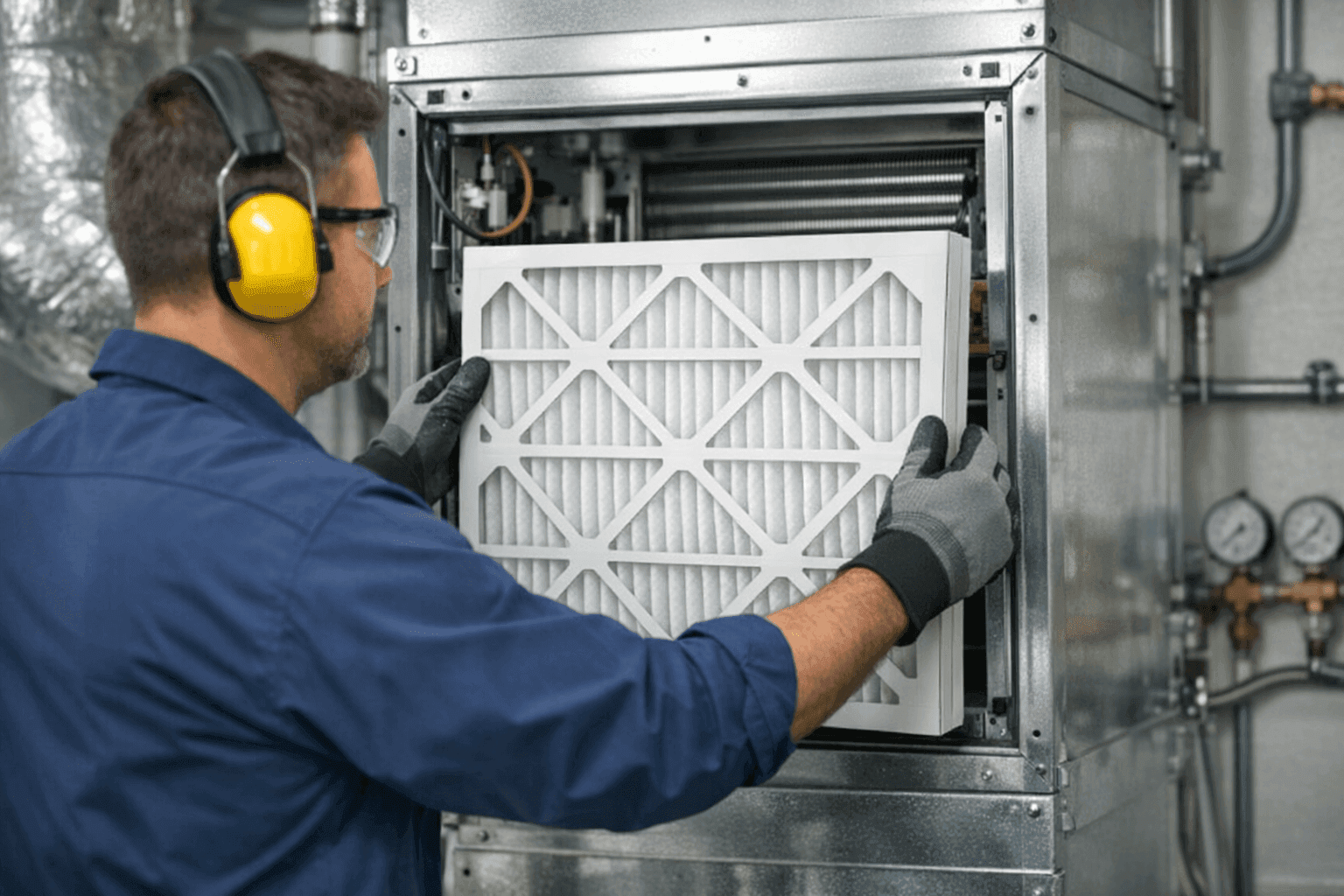
Breathing easy at home or work often starts with something small and unseen: your HVAC filter. It’s easy to forget, but that simple filter stands guard over your cooling system day and night. The moment it’s ignored, problems start to creep in. Dust. Debris. Strange noises. Higher bills. It’s a domino effect, and it all begins with the filter.
At Brama Cooling, we see what happens when filters are neglected. We also know how much life and efficiency a clean filter can give your HVAC equipment. Whether you manage a busy office, a cozy home, or a sprawling warehouse, these lessons matter.
How Filters Protect Equipment
Think of your HVAC filter like a bouncer at a club. Only the right guests—clean air—get through. Everything else—dust, hair, pollen, and tiny debris—gets stopped at the door. This matters more than you might think.
- Dust and Debris: Over time, air carries particles that would otherwise settle inside your ducts, coils, and fans. Dust isn't just unsightly; it clogs moving parts, insulates heat exchangers, and can lead to overheating.
- Airflow: When the filter is clean, air moves freely. But as it loads up with dirt, airflow slows. Your cooling equipment starts to work overtime, straining motors, compressors, and fans. Over months and years, that extra work means breakdowns and early replacements.
- Indoor Air Quality: A good filter traps allergens and pollutants, helping protect everyone inside from respiratory issues. This is especially important for homes with kids, pets, or anyone sensitive to dust.
Guidelines from organizations like ASHRAE (American Society of Heating, Refrigerating and Air-Conditioning Engineers) stress the importance of regular filter replacement for protecting both equipment and health.
Signs a Filter Is Failing 🛑
Sometimes, filters send silent warning signs before things get out of hand. Here’s what to watch for:
- Weak airflow from vents, even when the system’s running.
- Rising energy bills—your HVAC working harder than it should.
- Dust collecting around registers and on furniture faster than usual.
- Odd smells or musty odor when the system kicks on.
- More frequent allergy symptoms or sneezing indoors.
If you spot any of these, check your filter first. It’s the simplest fix that can prevent bigger (and costlier) issues.
Choosing the Right Filter
Not all filters are created equal. The right one for your system depends on your needs:
- MERV Rating: Higher MERV (Minimum Efficiency Reporting Value) means better filtration—but too high can choke airflow if your system isn’t designed for it. Most homes do well with MERV 8 to 13. Commercial spaces may need more.
- Material: Fiberglass filters are cheap, but they catch less. Pleated or HEPA filters trap more particles, but may need more frequent checks.
- Size: Always match the filter size to your equipment. Too small or too loose, and air slips around the filter, carrying dust with it.
Check your owner's manual or ask a licensed cooling contractor like Brama Cooling for guidance. Manufacturers set recommendations for a reason—they know how their equipment performs best.
Maintenance Tips for Long-Lasting Equipment
A filter’s job is never over. But its life can be short if not maintained. Here’s how to keep your HVAC running strong:
- Replace Regularly: For most homes, every 1–3 months is standard. Offices or homes with pets, smokers, or lots of foot traffic might need monthly changes. Always inspect if you’re unsure.
- Check Before Seasons Change: Before summer cooling or winter heating begins, inspect your filters. Seasonal pollen, construction dust, or renovations can load filters faster.
- Mark Your Calendar: Set reminders in your phone or on your calendar. Out of sight, out of mind—until there’s a problem.
- Don’t Reuse Disposable Filters: Once they’re dirty, they’re done. Reusing filters is like rinsing a coffee filter and expecting the same taste—never quite right.
- Professional Inspection: During HVAC Maintenance visits, professionals can inspect and recommend the right filter and schedule for your space.
The Real Cost of Ignoring Your Filter
A clogged filter is like running a marathon with a stuffy nose. Your system strains. Energy use spikes. Repairs become more frequent. Eventually, the equipment could fail completely—compressor burnout, frozen coils, or even heat exchanger cracks.
Industry studies show that dirty filters are among the top preventable reasons for system breakdowns. According to ENERGY STAR, just swapping a clogged filter for a clean one can lower your air conditioner's energy consumption by 5% to 15%.
DIY vs. Call a Pro
Changing a filter is usually simple. Most homeowners and building managers can do it—just slide out the old, pop in the new. But if you’re unsure about size, type, or how to remove the panel, call a professional.
There are times you should reach for expert help:
- Filters in hard-to-reach places, like rooftops or attic units.
- Unusual system noises or signs of major airflow issues.
- When filters clog faster than expected—there could be duct leaks or other problems.
A professional tech will not only swap the filter but also check for underlying issues, ensuring your cooling system is set for the season.
Quick Safety Checklist
- Turn off power to your HVAC unit before changing the filter.
- Wear gloves if filters are especially dirty or if you have allergies.
- Check for mold or wet spots on the filter—signs of bigger humidity or drainage issues.
- Dispose of used filters in a sealed bag to avoid spreading dust back into your space.
What Pros Do On Arrival
When Brama Cooling arrives for a filters service call, our techs:
- Inspect the filter’s condition and type.
- Check airflow and static pressure to spot hidden blockages.
- Look for signs of dust bypass or leaks around the filter frame.
- Recommend upgrades or replacements based on manufacturer specs and building needs.
- Clean up, so you’re left with nothing but clean, fresh air.
Prevention & Maintenance: The Lifespan Boosters
Regular filter changes can stretch your HVAC system’s life by years. It’s a simple, affordable habit that prevents expensive repairs. Combined with annual maintenance, you’ll keep your system humming quietly, pushing out cool, clean air.
Don’t forget other essentials: duct cleaning, thermostat calibration, and IAQ (Indoor Air Quality) testing all play a role in a healthy system.
When It’s an Emergency
Sometimes, a filter issue isn’t just a nuisance—it’s urgent. If your system suddenly shuts down, blows hot air during a heatwave, or triggers a burning smell, cut power and call for 24-hour emergency service. These signs can mean a clogged filter has led to overheating, electrical issues, or even fire risk.
Brama Cooling provides emergency support, so you’re never left waiting (or sweating).
Common Mistakes Homeowners Make
- Ignoring the filter until comfort drops or the system fails.
- Picking a high-MERV filter without checking equipment compatibility.
- Forgetting to change filters after dusty home projects or renovations.
- Reinstalling a filter backwards—direction matters!
- Skipping filter checks during mild weather, even though dust still circulates.
Timeline & Disruption: What to Expect
Changing a filter rarely takes more than five minutes for most units. Larger commercial systems or those in tricky spots can take a bit longer. There’s no need to shut down your whole building or disrupt business—just a quick pause, and you’re back to cool comfort.
Materials and Equipment: What You’ll Need
- Correct size and type of filter (check your HVAC panel or manual)
- Gloves (optional, but good for allergy sufferers)
- Screwdriver or key for some access panels
- Flashlight for dim spaces
Keep a spare filter or two on hand. You never know when dust from a nearby construction site or a sudden change in occupancy will mean an early swap.
Seasonal Considerations 🌱
Certain times of year are harder on your HVAC filters:
- Spring: Pollen and plant debris can clog filters fast.
- Summer: High use means more airflow, so check filters more often.
- Fall: Leaves and outdoor dust can find their way inside.
- Winter: If your system runs for heat too, filters work year-round.
Adapt your replacement schedule to fit the season and your space.
FAQ: Your Filter Questions Answered
How often should I change my filter?
For most, every 1–3 months. More often with pets, allergies, or high traffic.
Can I use washable filters?
Yes, if your HVAC system supports them. Clean thoroughly and let dry before reinstalling.
Do better filters mean better air?
Not always. Too tight a filter can choke airflow. Balance filtration and system specs.
What if I forget?
Set a recurring reminder. Or ask Brama Cooling to handle filter checks as part of scheduled HVAC Maintenance.
Protect Your Cooling System—Year After Year
A simple filter swap can mean the difference between years of worry-free cooling and sudden, costly breakdowns. If you need advice, reliable service, or a routine schedule for your home or business, Brama Cooling is here to help.
For those looking for a trusted cooling company with deep experience in everything from filters to full system care, our team is ready. We proudly serve homes and businesses seeking cooling services from HVAC Maintenance to generator installation and beyond.
Call Brama Cooling now — or reach us anytime at 888-840-5035 .