The Benefits of Routine Generator Maintenance for Businesses
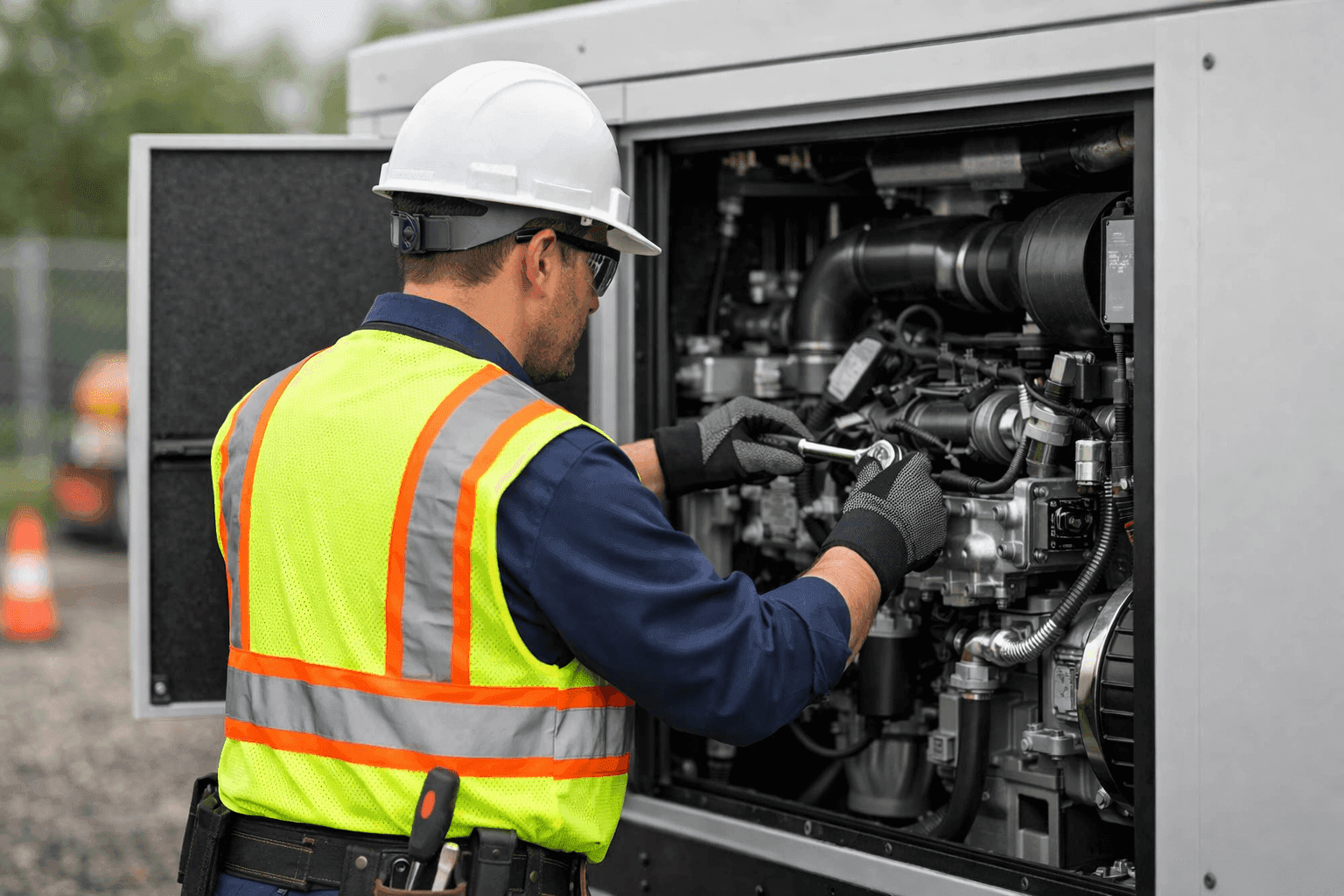
When the lights go out, time seems to stop. For businesses, every second the power is down can mean lost revenue, frustrated clients, and a scramble to recover. At Brama Cooling, we know how crucial it is to keep your backup power—your generator—ready for action. Routine generator maintenance isn’t just another item on a checklist. It’s the shield that protects your productivity, reputation, and peace of mind.
Let’s dive into why regular maintenance for commercial generators matters, what it involves, and how it keeps your business running smoothly, no matter what the weather or grid throws your way.
Why Maintenance Matters for Businesses ⚡
Generators are a business’s safety net. But like any net, they need care—or they might let you fall. Unmaintained generators can fail at the worst possible moment. That means cold offices, dark retail spaces, spoiled inventory, or halted production lines. The consequences ripple out—lost data, compliance headaches, and unhappy customers.
Routine maintenance is more than just ticking boxes. According to the National Fire Protection Association (NFPA 110), regular inspection and maintenance are essential for generators in critical facilities. Even if your business isn’t a hospital, the principle stands: a well-maintained generator is an insurance policy for your operations.
Key Maintenance Tasks
Maintaining a commercial generator isn’t just about flipping a switch and hoping for the best. Here’s what certified commercial technicians at Brama Cooling tackle during a typical visit:
- Visual inspections: Looking for leaks, corrosion, or loose wires—small issues that can become big problems.
- Testing: Running the generator under load to ensure it performs when needed.
- Oil and filter changes: Just like your car, generators need clean oil and filters to run smoothly.
- Battery checks: Batteries lose charge over time; a dead battery equals a dead generator.
- Coolant levels: Ensuring proper cooling prevents overheating and engine damage.
- Control panel diagnostics: Verifying settings and error codes to catch trouble early.
- Load banking: Testing the generator at its rated capacity to expose hidden weaknesses.
- Exhaust system inspection: Making sure fumes are vented safely, protecting air quality for staff and customers.
Each of these steps keeps your generator ready to kick in at a moment’s notice.
Reducing Downtime Risks
Downtime is the enemy of business. Imagine a busy restaurant on a Friday night plunged into darkness, or a data center losing power for even a few seconds. The costs add up fast.
Routine generator maintenance shrinks the risk of surprise outages. It’s like wearing a seatbelt—you hope you never need it, but you’re glad it’s there. Preventive care catches small issues before they grow, and regular load banking ensures your generator doesn’t just start, but powers your entire operation when called upon.
Scheduling and Compliance 🗓️
It’s not just about convenience. Many safety codes and insurance policies require proof of regular generator maintenance. NFPA 110 and local regulations often specify inspection intervals, test types, and record-keeping standards. Staying compliant isn’t just smart—it’s required.
At Brama Cooling, our certified technicians provide thorough documentation you can share with inspectors, auditors, or your risk manager. That’s one less worry on your plate.
Quick Safety Checklist
Before you run a test or call in a service, keep these essentials in mind:
- Check for fuel leaks or puddles near the generator.
- Ensure the area is clear of debris, flammable materials, and clutter.
- Never bypass safety interlocks or tamper with control panels.
- Always follow the manufacturer’s guidelines—every unit is different.
If you spot something worrying, don’t risk it. Call a professional right away.
DIY vs. Call a Pro
Some basic checks—like a quick walkaround or topping up coolant—can be done in-house. But deeper maintenance? That’s a job for certified commercial technicians. Generators are complex, and mistakes can be costly or dangerous.
Our team at Brama Cooling is trained to handle everything from routine oil changes to advanced diagnostics. We know the ins and outs of commercial systems, and we stay up to date with the latest codes and safety practices.
What Pros Do On Arrival
When our technicians arrive, they don’t just look—they listen. Noises, smells, even vibrations can tell a story. Here’s what you’ll see:
- Full inspection, inside and out.
- Diagnostic testing with specialized tools.
- Load banking to push the system and reveal hidden flaws.
- Review and update of your maintenance log for compliance.
Our focus is on catching issues before they catch you off guard.
Prevention & Maintenance
Think of maintenance as brushing your teeth—skip it, and you’re asking for trouble. The right schedule depends on use, age, and manufacturer recommendations. Most commercial generators need at least quarterly checks, with deeper servicing annually.
Regular maintenance extends your generator’s life, improves efficiency, and reduces repair costs over time. It’s an investment that pays for itself every time the power stays on.
Costs & Time Factors
Worried about the cost? Routine maintenance is far less expensive than emergency repairs or lost business from downtime. Most visits are scheduled during off-hours or slower periods to minimize disruption.
A typical maintenance appointment takes just a few hours—less time than you’d lose from even a short outage.
When It’s an Emergency 🚨
If your generator fails during a power outage, don’t panic. Safety comes first. Shut down any non-essential systems and call for emergency service. At Brama Cooling, our 24-hour emergency response team is ready to help you get back online—fast.
Seasonal Considerations
Generators work harder in extreme weather. Summer heat strains cooling systems, while winter brings cold starts and fuel gelling. Schedule maintenance ahead of major weather events, and always check batteries and coolant before the seasons change.
Common Mistakes
- Ignoring warning lights or error codes.
- Letting fuel sit too long—diesel breaks down and can clog lines.
- Skipping load tests because “it started fine last month.”
- Forgetting about exhaust vents and intake screens.
A little attention now saves a lot of heartache later.
Signs of Trouble
Watch for these red flags:
- Slow or failed starts.
- Unusual noises or vibration.
- Visible leaks or smoke.
- Strong fuel or exhaust smells.
If you notice any of these, schedule service immediately.
Timeline & Disruption
Worried about interruptions? Most maintenance can be done with minimal impact on your workflow. We coordinate with your team, work around your hours, and keep you informed every step of the way.
Materials and Equipment
Our technicians arrive fully equipped—with OEM filters, certified oils, and diagnostic gear. We use only approved replacement parts, so your warranty and safety aren’t compromised.
Safeguarding Productivity and Compliance
Routine generator maintenance is about more than ticking boxes. It’s about protecting your people, your customers, and your bottom line. With certified commercial technicians on your side, you’re ready for whatever comes next.
If you’re searching for reliable Generator Maintenance in Minot, Brama Cooling is here to help.
Ready to Protect Your Business?
Don’t let an unexpected outage catch you off guard. Keep your business running smoothly—schedule generator maintenance today. And if you need a new installation, ask about our generator installation services.
Call Brama Cooling now — or reach us anytime at 888-840-5035 .