How to Safeguard Your HVAC System During a Freeze or Winter Storm
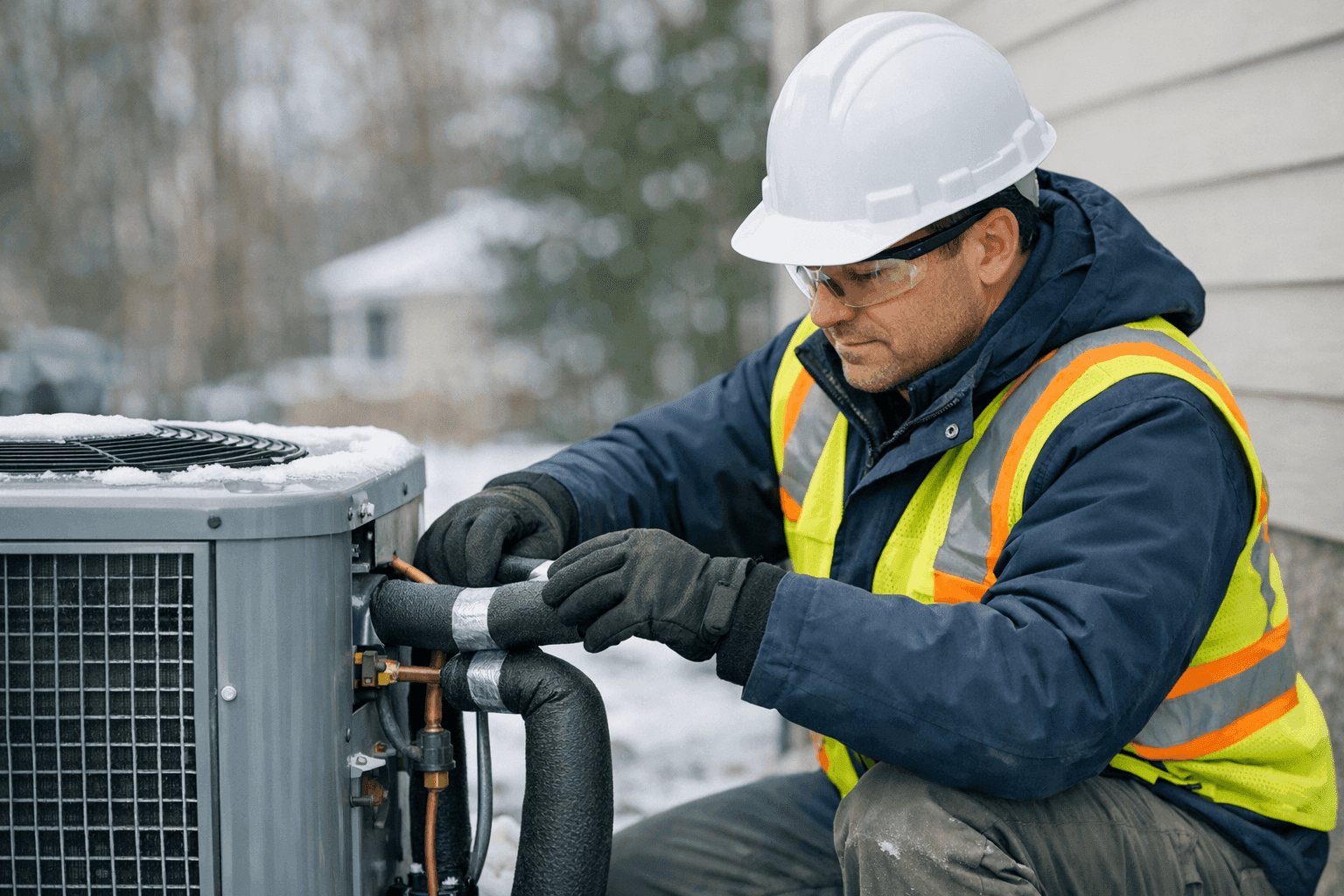
When winter storms hit, your home or business can feel like a fortress under siege. The biting cold isn’t just uncomfortable; it targets your HVAC system, threatening costly repairs and chilly nights. At Brama Cooling, we know how quickly a freeze can turn comfort into chaos—and how fast small steps can make a big difference.
Let’s cut through the noise. Here’s how to prepare, protect, and respond—so your heating and cooling systems keep working when you need them most.
Why Freeze Damage Happens 🥶
Water is relentless. It expands when frozen, and pipes, coils, and HVAC lines are often its first victims during a deep freeze. When temperatures plunge, stagnant water or moisture in your system can freeze solid. Sometimes, this means pipes burst or coils crack—leading to leaks, breakdowns, and bigger problems.
Even the best systems, if left unprotected, can fall prey to severe winter weather. According to the Insurance Institute for Business & Home Safety, freeze damage is one of the leading causes of winter insurance claims for both homes and businesses.
Vulnerable HVAC Components
Not all parts of your HVAC are equally at risk. Here’s what the cold targets first:
- Exposed Refrigerant Lines: These are like veins running through your system. If they freeze, flow is blocked.
- Outdoor Condenser Units: Snow and ice can clog fins and fans, making them work harder or seize up.
- Drain Lines and Pumps: Trapped water can freeze, causing backups and flooding when it finally thaws.
- Thermostats: Older models may not respond well to sudden temperature swings, leaving you in the cold.
- Ductwork in Unheated Spaces: Basements, attics, and crawlspaces are prime spots for ice to form inside ducts.
Winterization Steps: Shield Your System
Think of winterization like bundling up before you head outside. Every layer counts. Here’s what to do:
1. Insulate Pipes and Exposed Lines
Wrap them in foam sleeves or fiberglass insulation. Pay close attention to areas near exterior walls, attics, and crawlspaces.
2. Set Your Thermostat Smartly
Never let indoor temps drop below 55°F, even if you’re away. A programmable thermostat near you ensures constant monitoring and adjustment.
3. Clear Around Outdoor Units
Remove snow, ice, and debris from around your condenser. Keep at least 2 feet of clearance for airflow.
4. Seal Air Leaks
Use weatherstripping and caulk to seal gaps in windows, doors, and utility penetrations. This keeps the cold out and your system efficient.
5. Schedule HVAC Maintenance
A professional inspection can catch vulnerabilities before winter bites. Technicians check refrigerant levels, test safety switches, and inspect for leaks or worn insulation.
Emergency Response Tips: When Freeze Strikes
Even the best plans can be tested by a sudden cold snap. Here’s what to do if you suspect your HVAC is freezing up:
- Turn Off the System: If you hear strange noises or notice a sudden stop in airflow, shut down your HVAC to prevent further damage.
- Thaw Safely: Use gentle heat, not open flames, to warm frozen pipes or coils. A hair dryer or space heater at a safe distance works well.
- Check Electrical Components: Water and electricity are a dangerous mix. If water is pooling, disconnect power and call for professional help.
- Call a Pro Early: If your system won’t restart or you suspect serious damage, don’t wait. Quick intervention can save thousands in repairs.
Insulation: Your First Line of Defense
Insulation isn’t just about comfort—it’s a shield. Quality insulation in attics, basements, and around ductwork means less heat escapes and fewer cold spots form. The U.S. Department of Energy recommends checking insulation R-values annually, especially in older buildings.
Thermostat Settings: The Goldilocks Zone
Set your thermostat for “just right”—not too hot, not too cold. Sudden drops can trick your system into overworking or shutting down. Smart thermostats can monitor outdoor temps and adjust settings automatically, reducing risk and saving energy.
Post-Storm Inspections: What to Look For
Once the storm has passed, don’t just assume all is well. Inspect your HVAC system for:
- Ice accumulation on outdoor units
- Water stains or leaks near indoor equipment
- Visible cracks or bulges in pipes
- Unusual noises or odors
If you spot any of these, contact Brama Cooling for a thorough inspection. For those searching for reliable cooling services or AC Maintenance in the area, our cooling specialists in Lincoln are always ready to help.
Manufacturer and Insurance Guidelines: Play by the Book
Most HVAC manufacturers have strict rules about winter operation and required maintenance. Skipping routine checks can void warranties. Likewise, insurance providers often require documentation of regular maintenance and repairs for freeze-related claims. Keep records of all work done—especially before and after major storms.
DIY or Call a Pro? Know Your Limits
Some things you can handle—like changing filters or clearing snow. But when it comes to refrigerant, electrical issues, or visible damage, it’s time to call in licensed HVAC professionals. Your safety and system lifespan depend on it.
Quick Safety Checklist
- Insulate all exposed pipes and lines
- Set thermostats above 55°F
- Clear snow from outdoor units
- Seal up drafts and leaks
- Schedule pre-winter AC Maintenance
- Keep emergency contacts handy
When It’s an Emergency
Frozen pipes, no heat, or a system that won’t start? That’s an emergency. Brama Cooling offers 24-hour emergency service for just these situations. Fast action can mean the difference between a quick fix and a major repair.
Common Mistakes to Avoid
- Turning off the heat completely when away—always leave the system running on low.
- Ignoring small leaks or noises—these can signal bigger problems.
- Skipping routine maintenance in the fall. Prevention is always less costly than repair.
Signs of Trouble
Be alert for:
- Unusual grinding or banging from your system
- Noticeable drop in indoor air quality
- Water pooling near indoor or outdoor units
- Thermostat not responding or system cycling frequently
These are all red flags that deserve immediate attention.
Timeline & Disruption: What to Expect
Routine winterization can be done in a day. Emergency repairs may take longer, especially if parts freeze or crack. The key is to act early and schedule maintenance before the first hard freeze of the season.
Materials and Equipment for DIY Prep
- Pipe insulation sleeves
- Weatherstripping and caulk
- Programmable or smart thermostat
- Snow brush or small shovel for outdoor units
- Flashlight and batteries for inspections
FAQ: HVAC and Freeze Damage
Q: How often should I winterize my HVAC?
Yearly. Ideally, schedule your maintenance before the cold season begins.
Q: Will my warranty cover freeze damage?
Check your manufacturer’s guidelines. Most require proof of regular maintenance.
Q: What if I rent my space?
Always alert your landlord if you notice problems. You’re often responsible for reporting issues quickly.
Q: Is insulation worth the investment?
Absolutely. It’s one of the most cost-effective ways to prevent freeze damage and improve comfort.
Ready to Protect Your Comfort?
Don’t let a winter storm catch you off guard. Brama Cooling is here to keep your HVAC system running smoothly all year long. If you need urgent service, advice, or want to schedule a maintenance visit, we’re just a call away.
Call Brama Cooling now — or reach us anytime at 888-840-5035 .