How to Safely Replace an HVAC Filter Yourself
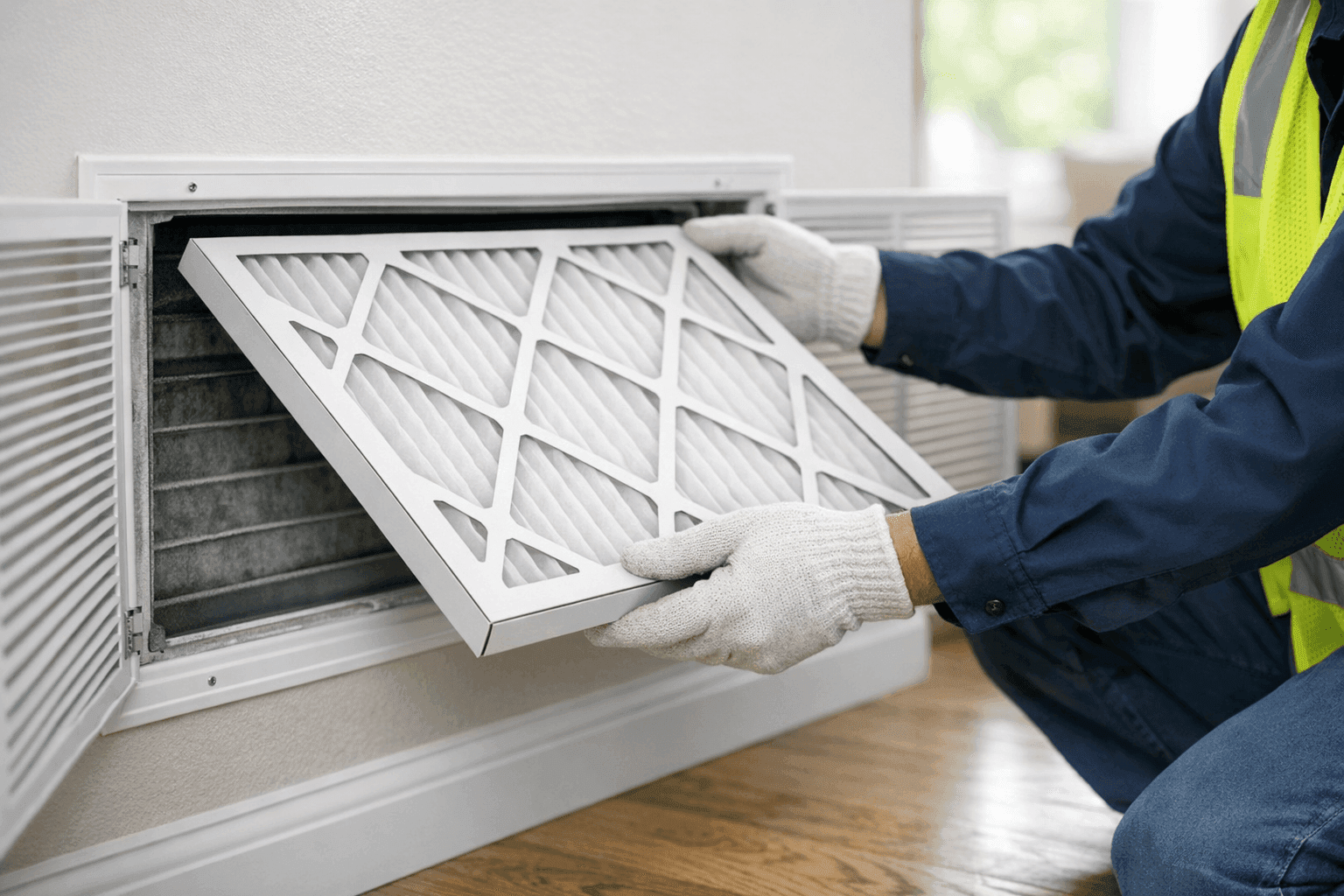
Is your air at home or work starting to feel stuffy? Do you notice more dust than usual, or maybe your AC is working overtime? These little signals could mean your HVAC filter is begging for some attention.
At Brama Cooling, we know how something as simple as a filter change can protect your air, your energy bills, and your peace of mind. Let’s walk through why filter changes matter, how to do them safely, and when to reach out for help.
Why Filter Replacement Matters 🛡️
Think of your HVAC filter as the goalie for your air. Without it, dust, pollen, and even mold spores skate right into your breathing space. The U.S. Environmental Protection Agency (EPA) says clogged filters can actually make your air dirtier, not cleaner. They also make your cooling system work harder, which can shorten its life and drive up your utility bills.
A fresh filter:
- Improves air quality for everyone, especially folks with allergies or asthma.
- Helps your system run efficiently, saving you money.
- Reduces dust buildup on vents and furniture.
- Meets safety recommendations from both manufacturers and the EPA.
Neglecting your filter is like ignoring the oil light on your car. It might seem minor, but it can lead to bigger, costlier problems down the road.
How to Identify the Right Filter
Finding the right filter is more like picking the right size shoes than grabbing just any pair from the shelf. Here’s what you need to know:
- Size Matters: Most filters have their size printed on the edge (for example, 16x25x1). Don’t guess—measure the length, width, and thickness if you aren’t sure.
- Type: There are many: fiberglass, pleated, electrostatic. Your system’s manual (or a sticker on the unit) will recommend the ideal type.
- MERV Rating: This is a number (usually 1–16) that tells you how well the filter traps particles. Higher isn’t always better; too high can strain your system. The EPA suggests most homes do fine with a MERV 8–13 filter.
- Orientation Arrow: Look for an arrow on your new filter. It shows which way the air should flow—usually toward the blower motor or inside the unit.
When in doubt, bring your old filter to the store for a side-by-side match or ask your cooling company for advice.
The Quick Safety Checklist
Before you start, take a deep breath and check these off:
- Power off your HVAC system at the thermostat. Safety first.
- Have a new, correct filter ready.
- Wear gloves if you’re sensitive to dust.
- Keep a trash bag handy for the old filter.
Remember, a few minutes of prep can prevent hours of cleanup or, worse, a system mishap.
Replacement Steps: Changing Your HVAC Filter
Ready to dive in? Here’s how to change your filter in just a few steps:
- Turn Off the System: Either at the thermostat or the main switch. This prevents dust from being sucked in while you work.
- Locate the Filter: Most are behind a return air grille (often in a wall or ceiling) or inside the furnace or air handler.
- Remove the Old Filter: Slide it out slowly to avoid kicking up dust.
- Check the Arrow: Find the airflow arrow on your new filter.
- Insert the New Filter: Slide it in with the arrow pointing toward the blower (or as marked on your system).
- Secure the Cover: Make sure the grille or panel is fully closed.
- Dispose of the Old Filter: Seal it in a trash bag to keep dust and allergens contained.
That’s it—you’re done! Most homes need a new filter every 1–3 months, but if you have pets, allergies, or construction nearby, check monthly.
Safety Tips to Keep in Mind
A little caution goes a long way:
- Always power down before touching any part of your HVAC system.
- Never force a filter into place. If it doesn’t fit, it’s the wrong size.
- Don’t run your system without a filter, even for a short time.
- Dispose of used filters right away—never leave them lying around.
- If you spot mold, water stains, or a strange smell, call a professional.
The EPA and most manufacturers agree: frequent, safe filter replacement is one of the easiest ways to protect your cooling system and your health.
Filter Sizing: The Goldilocks Principle
Getting the right fit is crucial. Too small? Dirt sneaks around the edges. Too big? Won’t fit at all. Just right? It slides in snug, with no gaps. If your system takes odd-sized filters, check with the manufacturer or your installer. Custom filters are available if needed.
Orientation: The Arrow Never Lies
The airflow arrow is your guide—don’t ignore it. Air should move from the return side toward the HVAC unit. If you’re unsure, check which way the air is being sucked in when the system runs (but remember to turn it off before you swap the filter).
Proper Disposal of Old Filters
Used filters are like old sponges: full of what you don’t want. Wrap them up in a plastic bag and toss them in your outdoor trash. Don’t shake them indoors, and keep them away from kids and pets.
Signs You Need to Change Your Filter
Not sure if it’s time? Look for these clues:
- Dust piling up faster than usual
- Allergy symptoms flaring indoors
- Unexplained musty smells
- Higher utility bills
- System running longer or turning on and off too often
If in doubt, check the filter. If it’s gray, clogged, or you can’t see light through it, it’s time.
DIY or Call a Pro?
Replacing a filter is usually a quick DIY task. But if your unit is hard to reach, you’re unsure about the right filter, or you see signs of mold or damage, it’s smart to call in help. Brama Cooling offers filters and HVAC Maintenance services for homes and businesses.
What the Pros Do on Arrival
When technicians arrive, they:
- Inspect filter size and fit
- Check filter orientation and air flow
- Look for mold, leaks, or unusual debris
- Test your system for proper operation after the change
They can also suggest upgrades for better indoor air quality, like HEPA filters or air scrubbers.
Maintenance Tips for Longer-Lasting Filters
Want your filter (and system) to last longer? Try these:
- Vacuum vents and returns monthly
- Keep area around indoor units clear of clutter
- Change filters more often during heavy use (summer/winter)
- Schedule regular HVAC Maintenance
Staying ahead means fewer surprises—and less dust.
Seasonal Considerations
Spring pollen? Summer construction? Winter dry air? Different seasons add different challenges. Check filters more often during allergy season, home renovations, or when pets are shedding.
Common Mistakes to Avoid
- Forgetting to turn off the system before changing the filter
- Using the wrong size or type
- Installing the filter backward
- Skipping regular checks
These slip-ups can cost you in efficiency and repairs.
Frequently Asked Questions
How often should I change my HVAC filter?
Most homes need it every 1–3 months, but check monthly if you have pets, allergies, or lots of dust.
What if I can’t find the filter?
Look in the return air grille, furnace, or air handler. If you’re still stumped, call your local cooling contractor.
Can I use a washable filter?
Some systems allow it, but always check your manufacturer’s recommendations.
Is it safe to use a high-MERV filter?
Only if your system supports it. Too high a rating can restrict airflow.
When It’s an Emergency
If your system shuts down, blows warm air, or you smell burning, don’t try to fix it yourself. Call for emergency service right away.
Costs & Time Factors
Most filters cost between $10 and $40. The swap takes 5–10 minutes for most setups. Investing this time and money now can save you hundreds on repairs and energy bills later.
Timeline & Disruption
Filter changes are quick and mostly mess-free. For commercial spaces, schedule changes during low-traffic hours to minimize disruption.
Prevention & Ongoing Maintenance
Pair filter changes with regular checkups. A home energy audit, duct cleaning, or indoor air quality test can reveal hidden issues and boost efficiency. If you’re in need of reliable cooling services, our team can help with everything from thermostats to generator maintenance.
For homeowners and businesses alike, safer, cleaner air is within reach—one filter at a time. If you’re ever unsure, if your filter setup is more complicated, or you want to book a full service in the Cheyenne area, our HVAC Maintenance team is here to help.
Call Brama Cooling now — or reach us anytime at 888-840-5035 .