Smart Thermostats: Are They Worth the Investment?
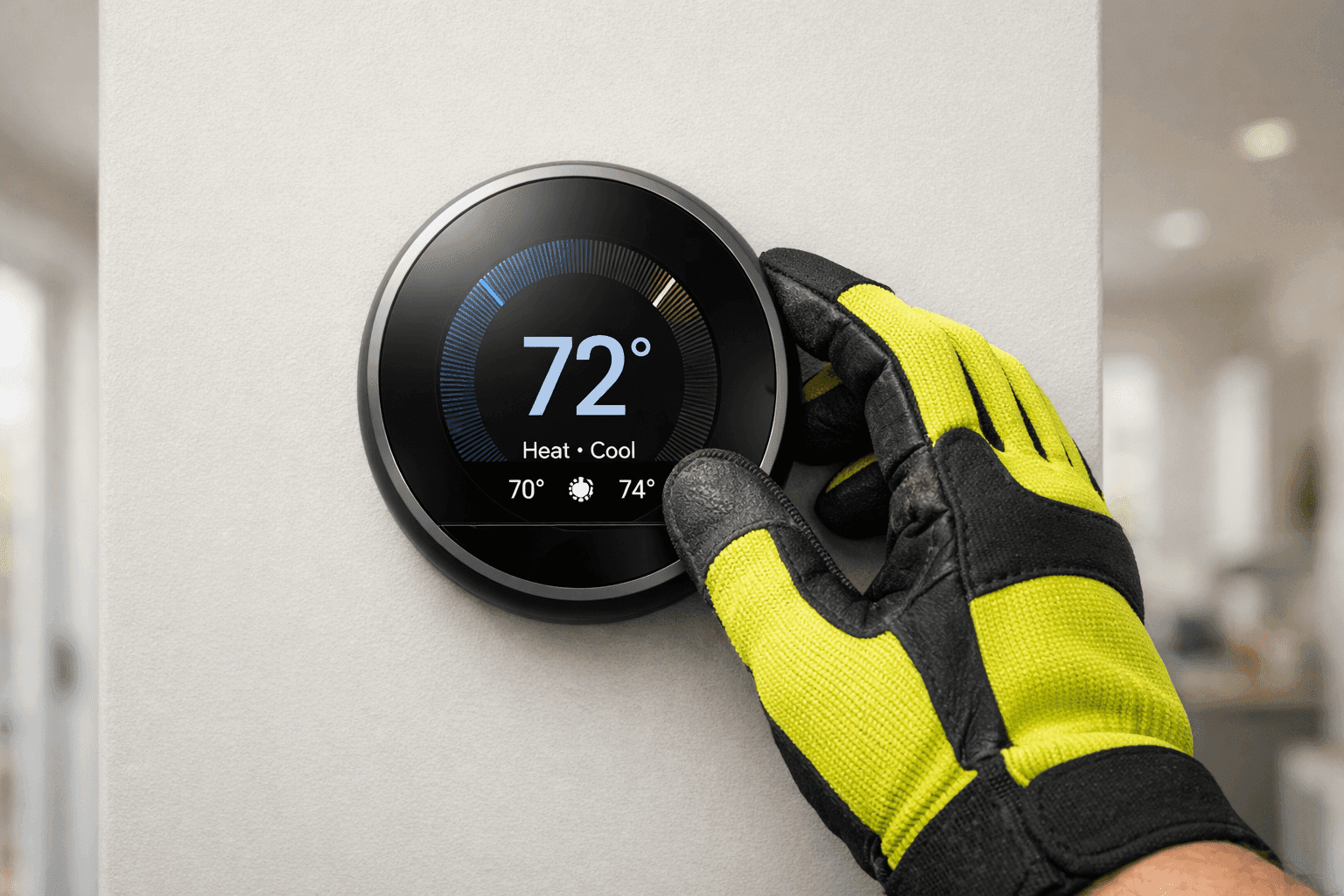
Does your home or business feel like a climate battleground between comfort and energy bills? You’re not alone. At Brama Cooling, we know how fast technology is changing — and how tough it is to decide what’s truly worth your investment.
Smart thermostats promise to take control of your cooling and comfort. But are they all hype, or do they deliver real results? Let’s break it down, room by room, dollar by dollar.
What Is a Smart Thermostat?
A smart thermostat is like the conductor of your indoor climate orchestra. Unlike old-school models that act more like simple on-off switches, a smart thermostat learns your habits, senses your presence, and lets you adjust temperatures from anywhere using your phone or voice.
Features include:
- Wi-Fi connectivity for remote access
- Learning algorithms that adjust settings based on your routine
- Integration with smart home devices (think Alexa or Google Home)
- Energy usage reports and reminders
It’s a step above the programmable thermostats of yesterday, offering deeper control and insight. For both residential and commercial spaces, smart thermostats can be the first move toward a truly efficient cooling system.
Key Benefits of Smart Thermostats 🏠
The perks go well beyond convenience. Here’s why many property owners are making the switch:
- Energy Awareness: Get real-time data on your energy use, so you can see exactly where your dollars go.
- Automated Adjustments: The thermostat “learns” when you’re home, away, or asleep, making micro-adjustments to boost comfort without wasted energy.
- Remote Control: Adjust the temperature from anywhere — whether you’re upstairs or across the country.
- Maintenance Reminders: Get notified when it’s time to check your filters or schedule HVAC Installation.
- Zoning & Air Balancing: Some advanced models work with multiple zones, dialing in the comfort room by room.
With features like these, a smart thermostat feels like a personal cooling assistant — always on the job, never asking for a day off.
Potential Savings: Do Smart Thermostats Really Lower Bills?
Here’s where the rubber meets the road — or the cool air meets your wallet.
According to the U.S. Department of Energy, homeowners can save up to 10% a year on heating and cooling by simply dialing back the thermostat 7°-10°F for 8 hours a day. Smart thermostats make this easy (and automatic).
Energy Star, the government-backed symbol for energy efficiency, certifies only smart thermostats that meet strict savings and reliability standards. Some models report average annual savings of $50–$150, depending on your usage and local rates.
Commercial properties often see even bigger returns, especially when paired with zoning and air balancing.
Tip: Check your local utility’s rebate programs. Many offer cash back for installing Energy Star-rated smart thermostats.
Smart Control Features That Matter
Not all smart thermostats are created equal. Here’s what separates the “nice to have” from the “truly useful”:
- Geofencing: Your thermostat knows when you’re coming or going (using your smartphone location).
- Humidity Sensors: Keep air not just cool, but comfortable.
- Air Quality Integration: Some units link with air scrubbers, humidifiers, and dehumidifiers for a healthier environment.
- Multi-Stage Compatibility: Works with advanced HVAC systems for better efficiency.
Look for models with strong app reviews, responsive touchscreens, and clear, easy-to-use controls. Reliability matters — especially in a commercial setting.
Compatibility: Will a Smart Thermostat Work for You?
Before you buy, make sure your system is ready.
- HVAC Type: Most smart thermostats work with central cooling and heating, but check compatibility if you have mini-splits, radiant heat, or older systems.
- Wiring: Many models require a C-wire (common wire) for power. If your setup lacks this, professional installation may be needed.
- Size & Display: Some thermostats are sleek, others bulky. Measure your space so it fits both visually and physically.
If you’re unsure, Brama Cooling can assess your current thermostats and recommend the right fit.
How to Install a Smart Thermostat
Thinking of DIY? Here’s a quick checklist:
- Turn off power at the breaker to your HVAC system.
- Label wires before disconnecting your old thermostat.
- Mount the new unit per manufacturer instructions.
- Connect to Wi-Fi and download the app.
- Test all functions — heating, cooling, fan, and scheduling.
But if you hit a wiring snag or aren’t confident, play it safe. Certified installation ensures code compliance and keeps your warranty protected. Professional installers (like our team at Brama Cooling) follow National Electrical Code (NEC) guidelines and correct setup to avoid costly mistakes.
Energy Data: Making Sense of the Numbers
Smart thermostats provide more than just comfort — they offer a window into your energy habits.
- Weekly and monthly reports: See how and when you use energy.
- Usage breakdowns: Pinpoint high-cost times and rooms.
- Goal-setting: Track progress toward lower bills.
Think of it as a fitness tracker for your home’s cooling system.
Rebates & Incentives: Sweetening the Deal
Who doesn’t like a little help from their friends? Many utility companies and local governments offer rebates for installing Energy Star-certified smart thermostats. These can range from $25 to $200, depending on your location.
Before you buy, check rebate eligibility on trusted sites like Energy Star or your local energy provider. Save your receipts and installation records — you’ll need them to claim your reward.
Pros and Cons: Weighing Your Options
No technology is perfect. Here’s a quick look at the trade-offs:
Pros:
- Lower energy bills
- Improved comfort and air quality
- Remote and automated control
- Maintenance reminders
Cons:
- Upfront cost (typically $120–$300 plus installation)
- Some learning curve with new tech
- May require wiring upgrades
For most homes and businesses, the long-term savings and comfort outweigh the initial investment.
DIY vs. Call a Pro: What’s Best for Your Property?
Some folks love a good weekend project. Others prefer the peace of mind that comes with professional work.
Go DIY if:
- Your system wiring matches the thermostat requirements.
- You feel confident with basic electrical work.
- The manufacturer’s instructions are clear and detailed.
Call a pro if:
- You lack a C-wire.
- Your old thermostat has confusing wiring or unknown labels.
- You want to ensure compliance with code and preserve warranty.
A certified installer guarantees proper function and safety. At Brama Cooling, we’re happy to help — whether it’s your home, office, or rental property.
Is a Smart Thermostat an Emergency Upgrade?
Usually, smart thermostats are an upgrade by choice. But if your old thermostat fails in the middle of a heatwave or cold snap, replacement becomes urgent. That’s when our 24-hour emergency service comes in handy.
Remember: The right thermostat isn’t just about comfort. It’s about safety, especially for vulnerable people and sensitive equipment.
How Smart Thermostats Tie Into Indoor Air Quality
Some models provide air quality alerts, control air scrubbers, or sync with whole-house fans and ventilation. By automating these systems, you boost not just comfort, but health.
If you’re thinking about a full indoor air quality upgrade, a smart thermostat is a natural first step.
Maintenance & Upkeep: Staying Efficient
Smart thermostats are low-maintenance, but don’t set and forget. Keep the firmware updated, check sensor accuracy once a year, and follow reminders for filter changes and HVAC Installation checkups.
This ensures you keep saving money and avoid unexpected issues.
Seasonal Considerations: Getting the Most from Your Thermostat
- Spring & Fall: Adjust schedules to match changing daylight and occupancy.
- Summer & Winter: Use vacation or away modes to prevent waste.
- Extreme weather: Monitor usage spikes and tweak settings as you go.
A little fine-tuning each season maximizes comfort and savings.
Common Mistakes to Avoid
- Ignoring compatibility (not all systems are smart-thermostat-ready)
- Skipping professional installation when wiring is complex
- Overriding automated settings too often, which can erase energy savings
- Forgetting to claim rebates
A thoughtful approach pays off in the long run.
Are Smart Thermostats Worth It?
If you crave more control, lower bills, and a better handle on your indoor air, smart thermostats are a smart investment. The energy insights alone can pay for themselves within a few seasons. For both homes and businesses, the comfort boost is hard to beat.
For locals searching for cooling or Thermostats that fit their lifestyle, it’s a choice that brings lasting value. The next step? Make sure you pick the right model and get it installed right.
Call Brama Cooling now — or reach us anytime at 888-840-5035 .