How to Spot Early Signs of HVAC Failure
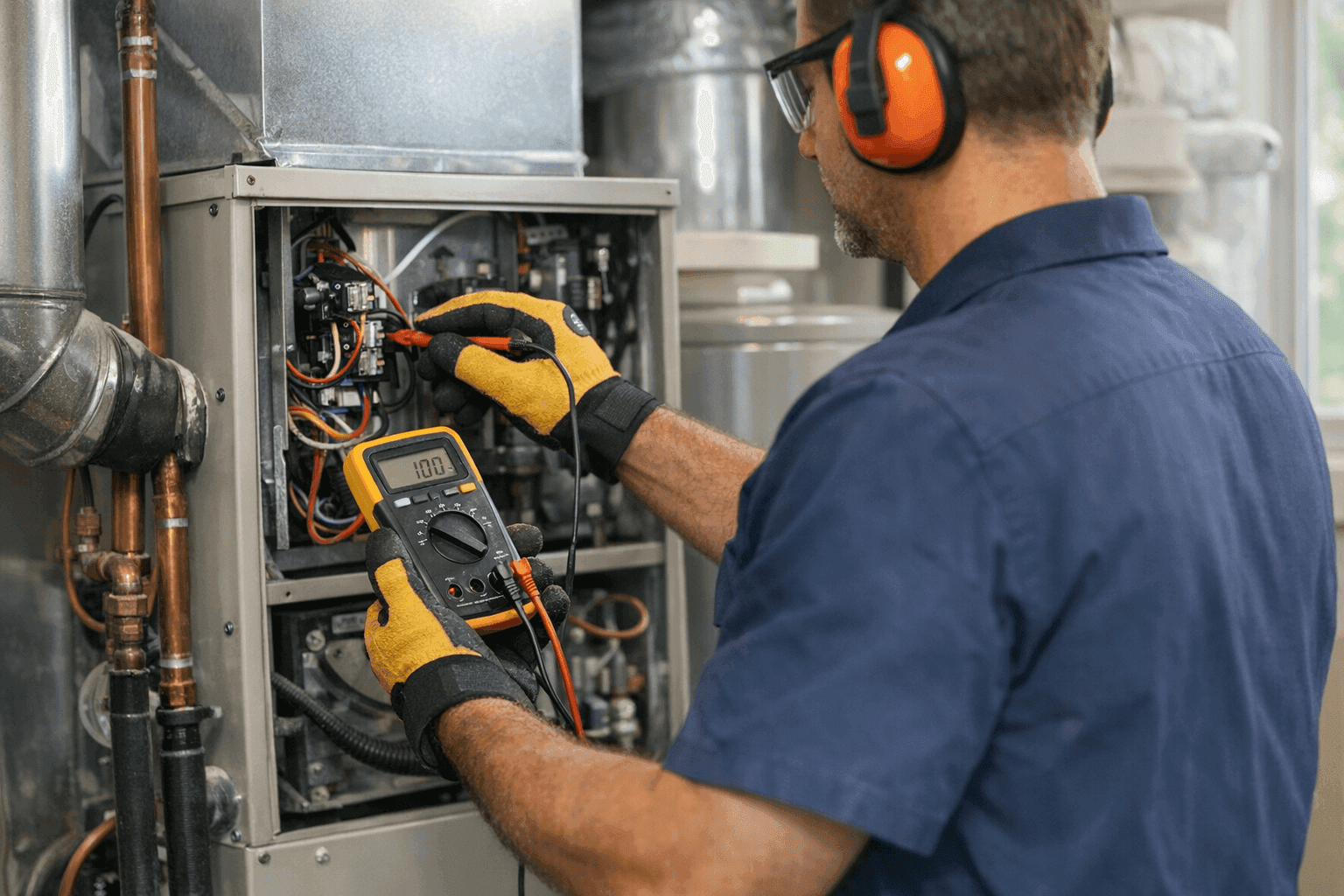
Is your home or business not as cool as it used to be? Maybe your energy bill is creeping higher each month. At Brama Cooling, we know that small problems in your HVAC system can snowball into big, uncomfortable issues—fast.
Spotting early signs of HVAC failure is like catching a leaky faucet before it floods the kitchen. Act early, and you’ll avoid costly repairs and keep your space comfortable all year.
Common Early Warning Signs 👂
Your HVAC system talks to you. Not in words, but in hints. Here’s what to watch (and listen) for:
- Strange noises: Clanking, banging, or screeching aren’t normal. Think of it like your car making a weird sound—don’t ignore it.
- Unusual odors: Musty, burning, or metallic smells can signal overheating wires or mold growth.
- Uneven temperatures: Is one room an icebox and another a sauna? That’s a red flag.
- Rising energy bills: A sudden spike in costs means your system is working too hard for too little output.
- Frequent cycling: If your unit keeps turning on and off, it’s struggling.
- Weak airflow: Barely a whisper from the vents? It’s a warning sign.
- Humidity problems: Sticky air indoors means your system isn’t balancing moisture like it should.
The sooner you spot these signs, the better. Early action means less disruption.
What Causes HVAC Failure?
Just like people, HVAC systems age. But some causes of failure are preventable. Here’s what typically goes wrong:
- Neglected maintenance: Skipping regular filter changes and tune-ups is like never changing your car’s oil.
- Dirty filters: Clogged filters choke airflow, forcing the system to work harder until something gives.
- Electrical issues: Loose wiring or worn-out capacitors can cut power or create safety hazards (refer to National Electrical Code standards for safe practices).
- Refrigerant leaks: Low refrigerant means your AC can’t cool the air effectively.
- Blocked vents or ducts: Dust, debris, or even a forgotten toy can block airflow.
- Aging equipment: Most HVAC systems last 10-15 years with care. After that, breakdowns become common.
Routine checks and professional maintenance help spot these issues before they become emergencies.
Preventive Steps for Home and Business Owners 🛠️
Think of preventive maintenance like brushing your teeth—small daily habits prevent big problems later.
- Change air filters every 1–3 months. Dirty filters are a leading cause of breakdowns.
- Keep vents and registers clear. Don’t block them with furniture or rugs.
- Schedule annual HVAC maintenance. Certified technicians use documented checklists for every visit.
- Test your thermostat. If your system isn’t responding, it may be a simple fix.
- Listen and sniff. If you hear or smell anything odd, don’t wait.
- Pay attention to humidity. A properly working system should control moisture. If you feel sticky or clammy, it could be time for a checkup.
- Monitor energy bills. Sudden increases are a sign your system needs attention.
Following these steps prolongs the life of your HVAC and keeps your indoor air quality strong.
Noises That Spell Trouble
Not every sound is cause for alarm, but some noises deserve immediate attention:
- Grinding: Could mean motor bearings are wearing out.
- Hissing: Air leaks or refrigerant escaping.
- Squealing: Belt or fan motor issues.
- Banging: Loose or broken parts.
- Clicking: Electrical issues, especially if continuous.
If you hear any of these, don’t turn up the radio—call a professional.
Odors You Should Never Ignore
HVAC odors can warn of real danger:
- Burning: Often signals electrical shorts or overheating.
- Rotten eggs: A possible gas leak (for gas furnaces)—evacuate and call for help.
- Musty or moldy: Mold hiding in ducts or on coils.
- Chemical or sweet: Refrigerant leaks.
If you smell any of these, open windows and get help right away. Your safety comes first.
Uneven Temperatures and Poor Airflow
Are some rooms freezing while others are stuffy? This is often due to:
- Blocked or leaky ducts
- Failing blower motors
- Poor air balancing
- Incorrect thermostat settings
Professional air balancing and duct cleaning can restore comfort. If the problem persists, your system may need repair or updating.
Rising Bills: What Your Energy Statement is Telling You 💡
Energy bills are like report cards for your HVAC. Here’s what to look for:
- Steady increase: System is losing efficiency.
- Sudden spike: Possible major malfunction.
- Seasonal swings: HVAC can’t keep up with demand.
Track your bills each month. If there’s a dramatic change, it’s time to investigate.
DIY vs. When to Call a Pro
Some tasks are safe for property owners:
- Changing filters
- Cleaning vents
- Checking thermostat batteries
But for anything involving refrigerant, wiring, or major components, always call a certified HVAC technician. The risk isn’t worth it. Brama Cooling’s team uses industry-standard checklists to ensure nothing is missed.
What Pros Do On Arrival
When a Brama Cooling technician arrives, here’s what you can expect:
- Comprehensive inspection: Using a checklist backed by industry guidelines.
- System testing: Checking refrigerant levels, electrical components, and airflow.
- Safety checks: Confirming compliance with local code and safety standards, like those from the International Code Council (ICC).
- Clear communication: Explaining findings in plain language, not jargon.
- Action plan: Repair, maintain, or recommend upgrades as needed.
Documentation matters. Every step is recorded for your records and peace of mind.
Preventing HVAC Emergencies
Emergencies are stressful—and expensive. Here’s how to avoid them:
- Stay on top of maintenance.
- Address small problems quickly.
- Upgrade outdated equipment before it fails.
- Invest in indoor air quality solutions like air scrubbers and dehumidifiers.
Remember, prevention always costs less than emergency repair.
Costs & Time Factors
How much will a repair cost? How long will it take? It depends on the issue:
- Minor fixes: Like replacing a thermostat or capacitor, often same-day.
- Major repairs: Such as compressor replacement, may take longer and cost more.
- Full replacement: Plan for a few days, depending on system size.
Regular maintenance reduces surprise expenses and keeps downtime to a minimum.
When It’s an Emergency 🚨
Call for immediate help if you experience:
- No heating or cooling during extreme weather
- Burning smells or electrical problems
- Water or refrigerant leaks
- Complete system shutdown
Brama Cooling offers 24-hour emergency service. You don’t have to wait for business hours to get help.
Common Mistakes to Avoid
- Ignoring small warning signs
- Blocking vents or registers
- Skipping regular maintenance
- Attempting DIY repairs on electrical or refrigerant components
- Forgetting to schedule annual inspections
These mistakes can shorten your system’s life and increase repair costs.
Timeline & Disruption: What to Expect
Most repairs can be handled in a single visit—especially if you act early. Replacement or complex repairs may take longer, but certified technicians will keep disruption to a minimum and keep you informed every step of the way.
Seasonal Considerations
Extreme temperatures put extra strain on HVAC systems. Schedule checkups before the hottest and coldest months to ensure peak performance. Dust, pollen, and humidity levels also change with the seasons—clean ducts and replace filters as part of your seasonal routine.
FAQ: Quick Answers to Common HVAC Questions
How often should I replace my filter?
Every 1–3 months, depending on usage and system type.
Is it normal for my AC to run all the time in summer?
Not usually. Continuous operation may signal a problem—get it checked.
What’s the best way to improve indoor air quality?
Regular maintenance, duct cleaning, and IAQ testing are key. Consider air scrubbers or dehumidifiers for added protection.
Can I upgrade my thermostat myself?
Some smart thermostats are DIY-friendly, but professional installation ensures proper setup.
For more details, see our HVAC Maintenance page.
Materials and Equipment: What Matters Most
Quality parts and regular maintenance make all the difference. Brama Cooling uses trusted brands and follows documented procedures—no shortcuts, no guesswork.
Looking for Cooling Specialists Near You?
If you’re searching for Thermostats near you, or need efficient HVAC Repair, Brama Cooling is here to help. Whether you’re a homeowner or managing a commercial property, our certified techs are ready to keep things running smoothly.
Call Brama Cooling now — or reach us anytime at 888-840-5035 .