How to Spot Hidden HVAC Leaks Before They Cost You
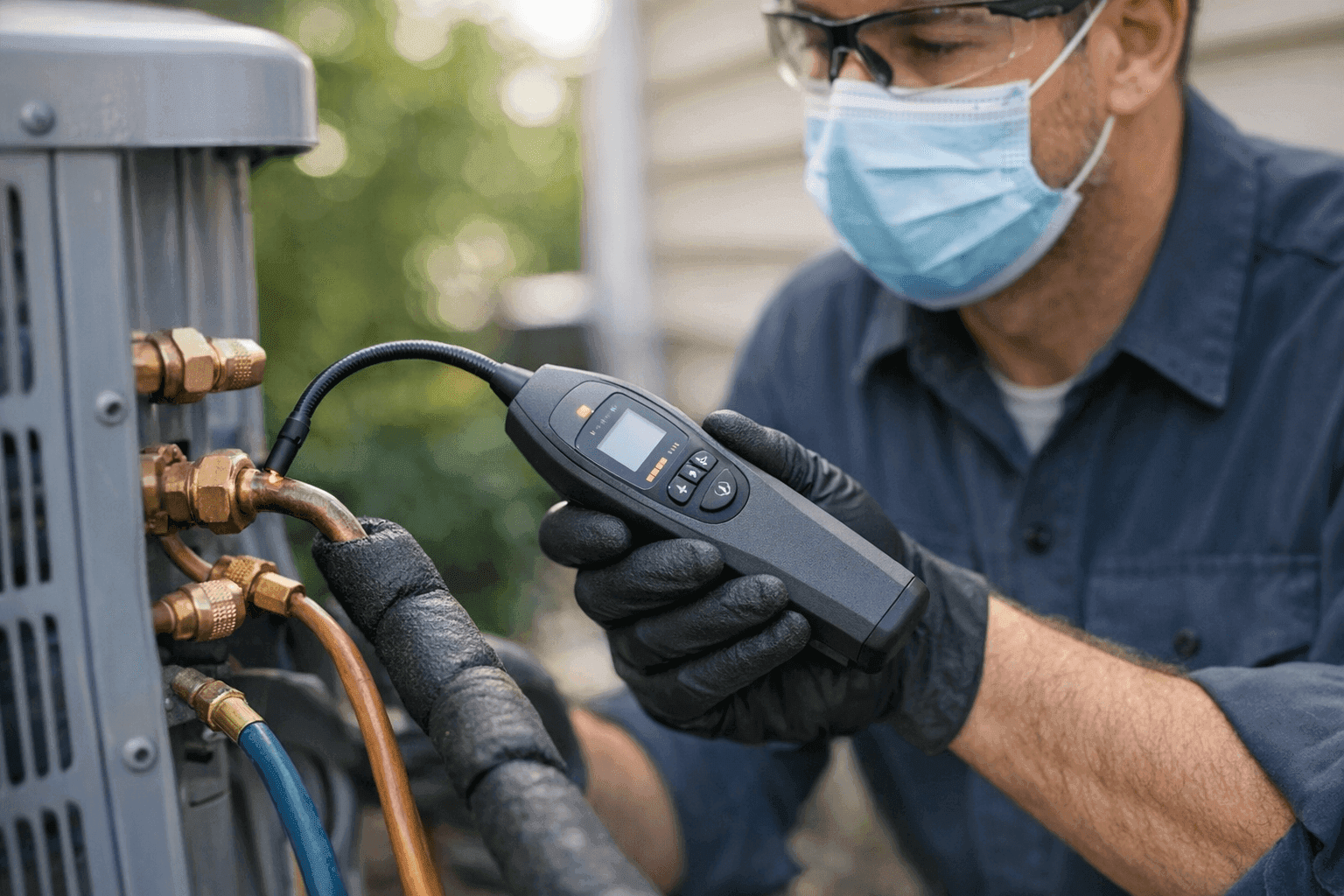
Is your air conditioner suddenly struggling to keep things cool? Or maybe your energy bill’s climbing for no obvious reason. Hidden HVAC leaks can sneak up on any home or business, leaving you with less comfort and more expense.
At Brama Cooling, we know how elusive these issues can be. Every day, we help folks uncover the leaks that quietly eat away at efficiency and comfort. The sooner you spot a leak, the less it costs—in repairs and in stress.
Where Do Hidden HVAC Leaks Lurk?
Leaks aren’t always obvious. They can be like drips behind the wallpaper, quietly making trouble while you go about your day. The big three culprits:
- Refrigerant Lines: These metal veins keep your system humming. Even a tiny crack can sap your AC’s cooling power.
- Ductwork: Out of sight, out of mind. But loose connections or gaps let cooled air escape into the attic or crawlspace.
- Condensate Drains: When blocked or cracked, they can cause water to back up or drip where it shouldn’t—sometimes inside walls.
Each of these can turn a smooth-running system into a headache if left unchecked.
Signs of Hidden Leaks 🕵️♂️
Certain clues are like breadcrumbs. Watch for:
- Warm or hot spots in rooms that should be cool
- Weak airflow from vents, no matter how high the thermostat is set
- Higher energy bills with no change in usage
- Unusual hissing or bubbling sounds from the unit
- Moisture, puddles, or rust around the indoor system
- Frost or ice forming on coils or refrigerant lines
Notice any of these? Don’t shrug it off. Small problems grow fast.
Quick Safety Checklist Before You Begin
Safety first. Before you check for leaks:
- Turn off the HVAC system at the thermostat and the circuit breaker.
- Wear gloves to avoid sharp metal edges.
- Never touch refrigerant lines directly—refrigerant can cause frostbite.
- Be careful around electrical panels.
Following these steps helps you stay safe while investigating.
Simple DIY Checks You Can Try
You don’t need to be a technician to spot trouble. Here’s what you can do:
- Listen: Quiet the room and listen near the system. Hissing or bubbling could mean a refrigerant leak.
- Look for Water: Puddles or stains near the indoor unit point to condensate drain trouble.
- Check Airflow: Hold tissue paper near vents. Weak movement can signal duct leaks.
- Inspect Ducts (if visible): Look for disconnected joints, gaps, or dust streaks—signs air is escaping.
If you suspect a problem, jot down what you see. Details help the pros fix things faster.
Why Early Detection Matters
Leaks are like tiny holes in a boat. Left alone, they get bigger—and so do your headaches.
- Higher Costs: Leaks force your system to work harder, spiking energy bills and wearing out parts.
- Reduced Comfort: Uneven cooling or heating makes daily life less pleasant.
- Health Risks: Moisture can breed mold, while refrigerant leaks may pose health dangers.
- Big Repairs: What starts as a cheap fix can become a pricey overhaul if ignored.
According to the U.S. Department of Energy, sealing leaks can improve system efficiency by 20% or more.
What Sets Professional Leak Detection Apart
DIY checks are a good start, but professionals bring more to the table:
- Specialized Tools: From electronic leak detectors to thermal cameras, pros see what’s hidden.
- Experience: Years of hands-on work mean no guesswork—just results.
- Code Compliance: Technicians follow local safety and environmental guidelines, ensuring repairs are safe and legal.
At Brama Cooling, we go beyond the basics—checking not just for leaks, but for underlying causes.
When Should You Call for Emergency Help? 🚨
Sometimes waiting just isn’t an option:
- Rapidly rising indoor humidity that you can’t control
- Electrical issues—smoke, sparks, or burning smells from the system
- Water pooling in unusual spots (ceilings, floors, or near electrical panels)
- Complete loss of cooling during extreme temperatures
In these cases, call for 24 hour emergency service. Small leaks can quickly become big disasters.
The Hidden Costs of Ignoring a Leak
Leaks don’t just disappear. Here’s what can happen if you wait:
- Premature system failure: Motors, coils, and compressors wear out faster.
- Damage to walls and ceilings: Water leaks can lead to expensive structural repairs.
- Lost productivity: For businesses, poor comfort can disrupt work and customer satisfaction.
- Health fallout: Mold or poor air quality affects everyone inside.
Fixing leaks early is always the better investment.
Common Mistakes Homeowners and Businesses Make
You’re not alone—many folks miss these pitfalls:
- Ignoring small puddles or moisture stains
- Sealing only obvious duct gaps and missing hidden ones
- Using “stop-leak” products that can harm HVAC systems
- Waiting for total system failure instead of acting on early signs
A thorough inspection beats a quick fix every time.
How Seasonal Changes Worsen Leaks
Spring storms, summer heat, or winter chills—all can make leaks worse. As systems cycle on and off, expansion and contraction may widen gaps or cracks. Seasonal maintenance can catch these issues before they escalate.
Timeline: From Leak Detection to Repair
Wondering what to expect?
- Inspection: A technician checks all common leak points.
- Testing: Using detectors and gauges, they pinpoint the source.
- Repair: Leaky lines, ducts, or drains are sealed, cleaned, or replaced.
- Verification: The system is tested for performance and safety.
Most repairs take less than a day, with minimal disruption.
Trusted Materials and Tools Used by Professionals
Reliable repairs start with quality materials:
- UL-rated duct sealants
- EPA-approved refrigerant
- High-efficiency air filters
- Vacuum pumps for moisture removal
Technicians also follow safety codes from organizations like ASHRAE and the EPA.
Prevention Pays Off: Maintenance and Monitoring
You can avoid most leaks with regular attention:
- Schedule annual maintenance—professionals catch small issues before they grow.
- Change filters regularly for better airflow and less strain.
- Monitor humidity and indoor air quality for early warning signs.
Ask about services like [Thermostats near you] and routine [HVAC Maintenance] to keep your system trouble-free.
Frequently Asked Questions About HVAC Leaks
How often should I check for leaks?
At least once a season, or whenever you notice symptoms.
Are refrigerant leaks dangerous?
Yes. They can harm health and the environment. Always call a pro.
Can I seal duct leaks myself?
Minor ones, perhaps. But hidden or widespread leaks need pro attention.
Is leak detection included in HVAC maintenance?
Reputable companies like Brama Cooling check for leaks during regular service calls.
Ready for Reliable Cooling?
Don’t let hidden leaks drain your wallet or your comfort. If you’re noticing warning signs, it’s time to act. We’re here for both residential and commercial needs—from quick checks to full [hvac-repair] and [ac-repair].
If you’re looking for a trusted cooling company, see our full range of cooling services in our cooling specialists in Wilmington page.
Call Brama Cooling now — or reach us anytime at 888-840-5035 .