How to Spot and Prevent HVAC Short Cycling
Does your air conditioner keep turning on and off? Feels like it’s working harder—but not smarter? If you’re hearing your HVAC system kick in every few minutes, you might be dealing with short cycling. It’s a sign something’s wrong. Ignoring it can cost you comfort, money, and even your equipment.
At Brama Cooling, we help homeowners and businesses spot these warning signs before they lead to bigger problems. Let’s walk through what short cycling is, why it happens, and how you can fix it—fast.
What Is Short Cycling? 🌀
Short cycling is like your HVAC system running a sprint instead of a marathon. Instead of steady, even cooling, your unit starts up, runs for a few minutes, then shuts off—only to start again soon after. It’s a loop that repeats, over and over. This stop-and-go pattern isn’t normal.
Why does it matter?
- Wears out parts quickly
- Spikes your energy bills
- Leaves your home or office too hot, too cold, or just plain uncomfortable
- Can signal deeper issues with your cooling system
Think of it like a car stuck in city traffic—constantly stopping and starting. Eventually, something’s going to break down.
Signs of Trouble: How to Tell if Your HVAC Is Short Cycling
Not sure if your system is short cycling? Watch for these clues:
- AC or furnace turns on and off every few minutes
- Rooms never reach the set temperature
- Higher-than-average energy bills
- Uneven cooling or heating throughout your space
- Strange noises during startup or shutdown
If you notice any of these, it’s time to pay attention.
Common Causes of HVAC Short Cycling
Short cycling doesn’t happen out of nowhere. Here are the usual suspects:
1. Thermostat Problems
A faulty thermostat is like having a broken compass—it can’t tell your system what to do. If it’s in a bad spot (like near a draft or a window), it might sense the wrong temperature. Wiring issues or low batteries can also make it act up.
2. Dirty Air Filters
When filters are clogged, air can’t flow. Your HVAC system overheats and shuts off to protect itself, then tries again. Change filters regularly to avoid this quicksand.
3. Refrigerant Leaks or Low Refrigerant
Low refrigerant is a big red flag. It can cause the compressor to overheat and shut down. This is a job for certified professionals—handling refrigerant isn’t a DIY fix.
4. Oversized HVAC System
Bigger isn’t always better. If your system is too powerful for your space, it cools things down too quickly, then shuts off—only to start again when things heat up.
5. Electrical or Control Board Issues
Faulty relays, sensors, or control boards can make your HVAC “think” it needs to stop and start. These repairs require a trained technician.
Quick Safety Checklist Before You Start
- Turn off power at the breaker before inspecting anything.
- Never open panels or handle refrigerant yourself.
- If you smell burning or see sparks, call emergency services right away.
DIY Troubleshooting: What You Can Safely Check 🧰
Some problems have simple solutions. Here’s what you can check before calling in the pros:
- Replace or clean air filters (every 1–3 months)
- Check thermostat settings: Make sure it’s set to cool and the temperature is correct
- Move objects away from vents and returns: Blocked airflow = short cycling
- Inspect thermostat location: Avoid direct sunlight, drafts, or heat sources
If you’ve done all this and the problem continues, it’s time to call Brama Cooling.
When to Call a Certified Technician
Some repairs are like brain surgery—leave them to the pros. Certified technicians at Brama Cooling are trained to:
- Test refrigerant levels safely (per EPA guidelines)
- Inspect electrical components and control boards
- Diagnose and resolve wiring issues
- Recommend right-sized replacements if your system’s too powerful or too small
We use industry-standard tools and follow local codes for every job.
What Pros Do on Arrival
Expect your technician to:
- Ask about your HVAC’s recent behavior
- Inspect system components, thermostat, and ductwork
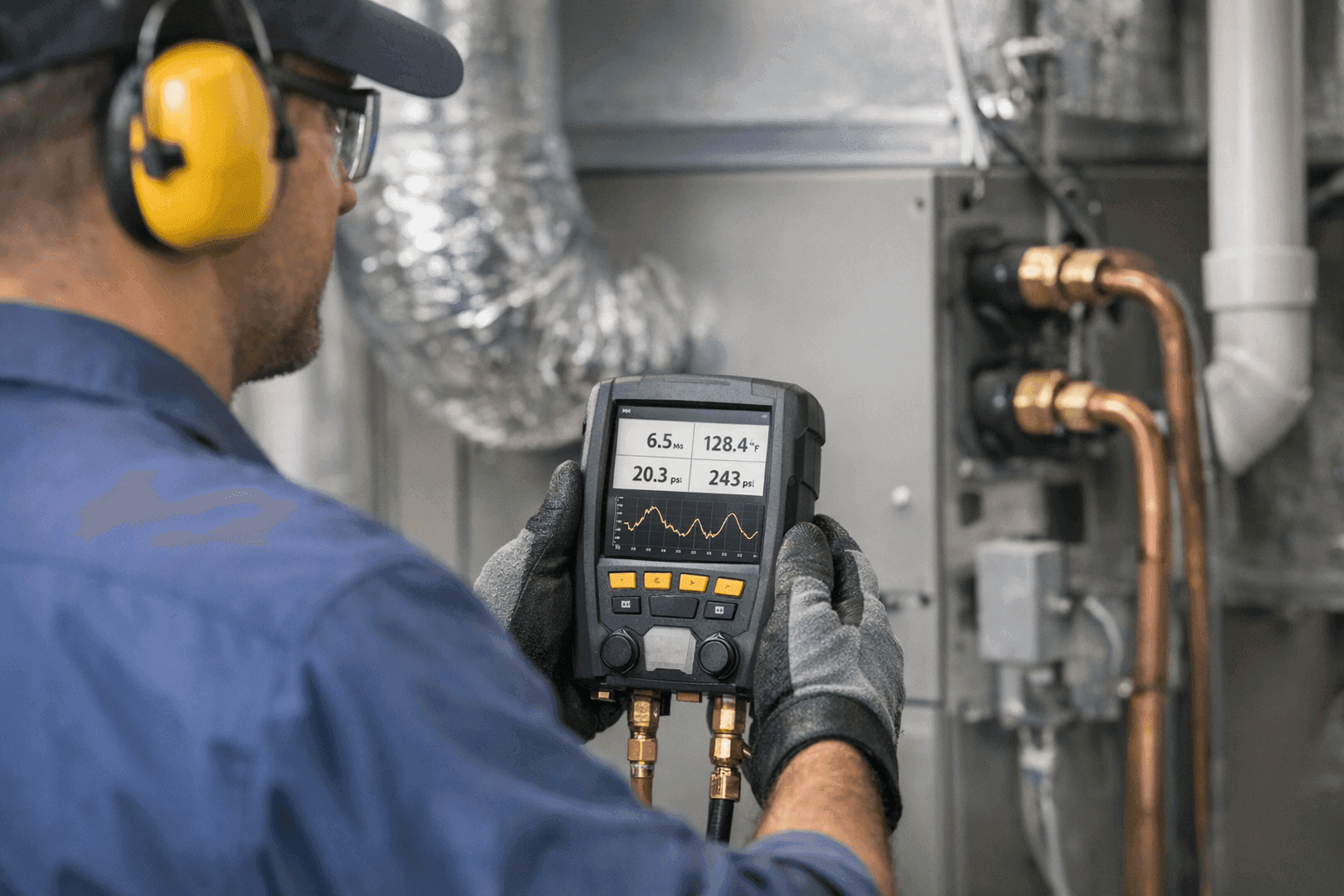
- Run diagnostic tests with specialized meters
- Recommend repairs or maintenance based on findings
Our team keeps you informed every step of the way, so you know exactly what’s happening.
Prevention & Maintenance: Stop Short Cycling Before It Starts
Short cycling doesn’t have to be a recurring headache. Here are some prevention tips:
- Schedule regular HVAC maintenance ([/services/hvac-repair])
- Replace air filters on a schedule
- Get annual refrigerant checks
- Ask about a programmable thermostat for steady, efficient cooling
- Request an energy audit to ensure your system is sized and installed correctly
- Clean your ducts for optimal airflow
Maintenance saves money in the long run—and keeps you comfortable all year.
Seasonal Considerations: Summer and Winter Tips 🌡️
Extreme weather puts extra stress on your HVAC system.
Summer:
- Set your thermostat a few degrees higher when you’re away
- Use ceiling fans to help circulate air
Winter:
- Don’t crank the heat—steady temperatures reduce short cycling
- Seal windows and doors to keep warmth inside
Common Mistakes That Lead to Short Cycling
- Ignoring dirty filters
- Placing thermostats in bad locations
- Skipping regular maintenance
- Trying to DIY refrigerant or electrical repairs
Avoid these pitfalls to keep your system running smoothly.
Costs & Time Factors: What to Expect
Repairs range from a simple filter replacement (minutes and a few dollars) to more complex fixes like control board replacement (several hours and higher cost). Regular maintenance is always more affordable than emergency repairs.
Timeline & Disruption: How Long Will It Take?
Most inspections take under an hour. Repairs can add extra time, but Brama Cooling technicians work efficiently to restore your comfort with minimal disruption.
When It’s an Emergency
If your system shuts down completely, smells like burning, or blows only warm air during a heatwave—call us for 24 hour emergency service. Your safety and comfort come first.
FAQ: Short Cycling and Your Cooling System
Is short cycling dangerous? It can be. It leads to equipment failure, poor air quality, and higher bills.
Can I fix it myself? You can change filters and check thermostat settings. For deeper issues, call a technician.
Will short cycling go away on its own? No. It usually gets worse over time. Address it early to avoid bigger problems.
Brama Cooling: Your Local Cooling Specialists
We’re here to help you keep your home or business comfortable, energy-efficient, and safe. Whether you need HVAC Repair, AC Repair, or just want to talk about thermostats near you—we’ve got you covered. For customers in St. Peters, check out our cooling services for more on how we support your community.
Call Brama Cooling now — or reach us anytime at 888-840-5035 .