The Truth About AC Filters: What Matters Most
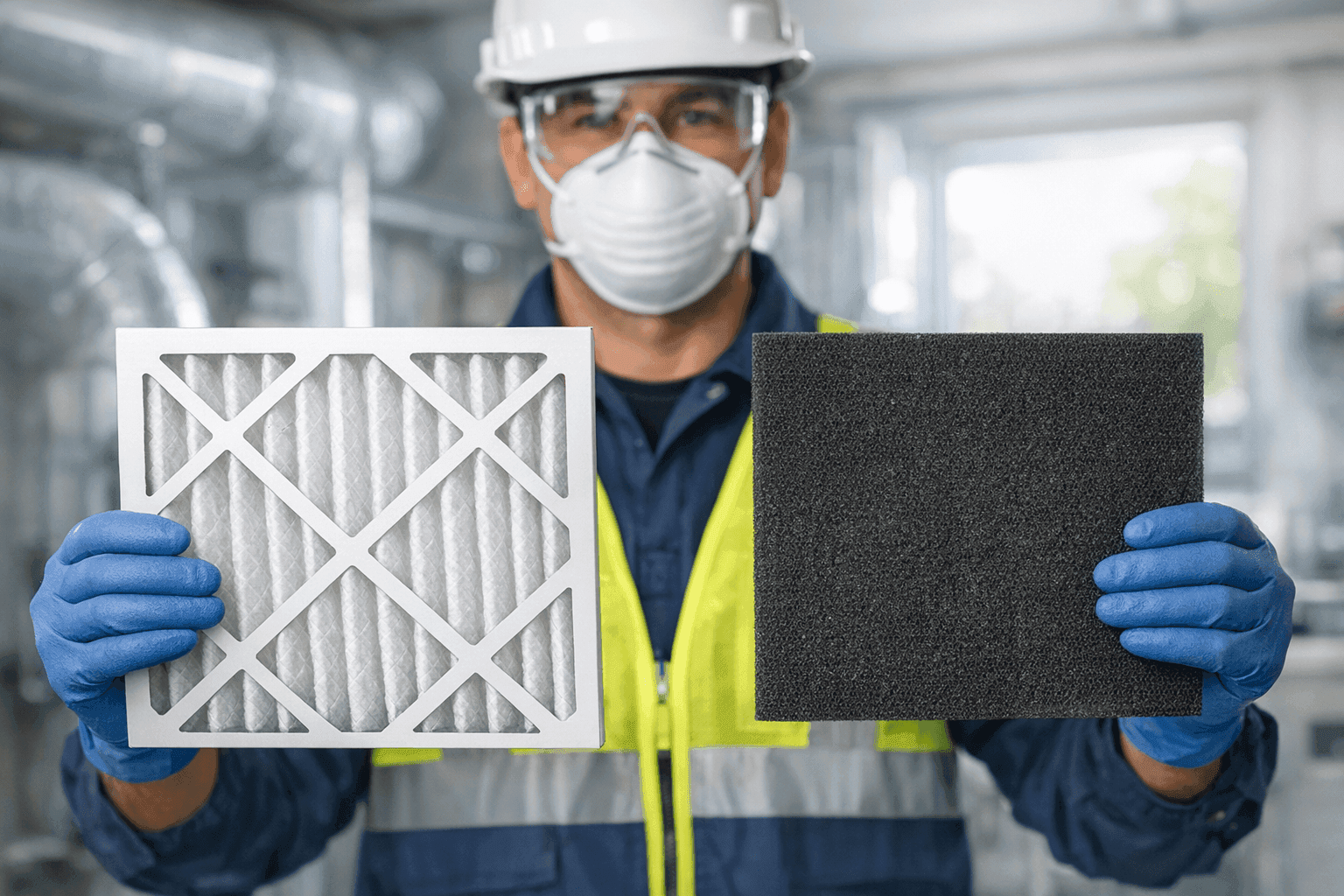
Is your AC filter working as hard as it should? Or are you unknowingly making your cooling system’s job harder—and putting your indoor air at risk? The choices you make about air filters don’t just affect your comfort. They impact your health, your energy bills, and the lifespan of your equipment.
At Brama Cooling, we meet homeowners and business owners every day who want straightforward answers about their filters. Let’s clear the air—literally.
Filter Types and Ratings: What’s Out There? 🛠
Walk into any hardware store and you’ll see a dizzying row of filters. But what’s really different from one to the next? Here’s what counts:
- Fiberglass Filters: Cheap, thin, and mostly for catching large particles. They’re like safety nets with big holes—enough to snag a leaf, but not the pollen or dust that floats through your home.
- Pleated Filters: Made of polyester or cotton folds, these grab smaller particles. Think of them as a tightly woven basket—stronger, but airflow can take a hit if you go too dense.
- Electrostatic Filters: They use static electricity (the same force that makes your socks stick together) to attract particles.
- HEPA Filters: The gold standard for air cleaning. They’re tested and certified to capture 99.97% of particles down to 0.3 microns, according to U.S. Department of Energy standards. But here’s the catch: Most residential HVAC systems aren’t designed for true HEPA filters without modifications.
- Washable/Reusable Filters: Rinse and reuse. While eco-friendly, their performance drops over time, and they’re not always up to the job for allergy sufferers.
Understanding MERV Ratings
MERV stands for Minimum Efficiency Reporting Value. It’s like a report card for filters, rated 1 to 20. The higher the number, the more (and smaller) particles it traps.
- MERV 1-4: Catches dust bunnies, not much else.
- MERV 5-8: Good for basic residential use. Grabs dust, mold spores, and pet dander.
- MERV 9-12: Better for families with allergies. Nabs finer dust, auto emissions, and even some bacteria.
- MERV 13-16: Hospital-level air cleaning. Removes smoke, bacteria, and even sneezed-out viruses.
ASHRAE (the American Society of Heating, Refrigerating and Air-Conditioning Engineers) sets these standards. For most homes, a MERV 8–13 filter strikes the right balance between clean air and keeping your system breathing easy.
Common Myths About AC Filters
Let’s bust a few tall tales:
- “The higher the MERV, the better!”
Not always. High-MERV filters can choke airflow if your system isn’t built for them, making your AC work overtime. - “Change filters only once a year.”
Even the best filter gets full. Most need replacing every 1–3 months. If you have pets, allergies, or run your system a lot, check even sooner. - “A dirty filter is okay—it still works.”
A clogged filter is like running with a soaked towel over your mouth. Your AC strains, your air quality drops, and your utility bills go up. - “All filters remove odors and germs.”
Most standard filters don’t. You’d need specialized filters or air scrubbers for that job.
What’s Most Important for Air and Equipment
Air filters aren’t just about what you breathe—they’re about keeping your cooling system healthy, too.
- Protect the Equipment:
A clean filter blocks dust and debris from coating your AC coils and blower fan. The National Air Filtration Association (NAFA) warns that clogged filters are a top cause of AC breakdowns. - Save Energy:
According to ENERGY STAR, replacing a dirty filter can lower your AC’s energy use by 5–15%. That’s money in your pocket. - Improve Air Quality:
The EPA highlights that using the right filter helps reduce allergens and airborne particles, especially if you have asthma or allergies.
The filter isn’t just a “nice to have.” It’s a frontline defense—for your lungs and your equipment.
How to Choose: Steps That Actually Matter
Lost in the aisle? Here’s how to pick the right filter for your space:
- Check Your System’s Specs:
Your system manual lists the highest MERV rating it can handle. Don’t guess—over-filtration can hurt performance. - Prioritize Your Needs:
- Allergies? Go MERV 11–13.
- Pets? Change filters more often (every 1–2 months).
- Sensitive to odors? Consider adding an activated carbon filter or air scrubber.
- Size Matters:
Measure. Then measure again. Even a slightly loose filter lets dirty air slip by. - Routine, Not Guesswork:
Set a reminder. Mark your calendar. A filter doesn’t announce when it’s full—it just quietly lets dust win.
Want help with filter replacement or maintenance? Our filters and ac-maintenance services keep your system running smoothly.
Quick Safety Checklist
Before changing your filter:
- Turn off the system at the thermostat.
- Have a trash bag ready for the old filter (it’ll be dustier than you think).
- Install the new filter in the right direction—the arrow on the frame should point toward the blower.
Why Filter Lifespan Isn’t Set in Stone
You’ll hear “replace every 90 days” everywhere. But life isn’t that tidy.
- Pets, pollen, construction, and heavy use can clog a filter in weeks.
- Open windows? More dust. Filter clogs faster.
- Construction or renovation? Change filters more often.
If your filter looks gray and fuzzy, swap it out.
DIY or Call a Pro?
Changing a basic filter is usually a five-minute job. But if you have:
- An odd-sized or hard-to-reach unit
- Visible mold or black dust
- Allergies or health concerns
It’s smart to call a professional. They’ll check for leaks, proper fit, and signs of bigger problems.
What Brama Cooling Pros Do on Arrival
When we show up for a filter or ac-maintenance call, we:
- Inspect the filter and housing for leaks
- Verify correct size and MERV rating
- Check for airflow issues and dust buildup
- Assess indoor air quality (IAQ) and recommend solutions if needed
- Dispose of used filters safely
Prevention & Maintenance: Your Best Investment
Don’t wait for a problem. Regular filter swaps are the cheapest insurance you can buy for your AC.
- Pair filter changes with routine AC Maintenance for optimal performance.
- Keep vents clear and dust furniture often—less dust means less work for your filter.
Costs & Time Factors
- Basic filters: under $10.
- High-efficiency pleated filters: $20–$50.
- Most homes: 5–15 minutes to swap.
- Commercial systems or specialty units: May require a pro for correct fit and safety.
When It’s an Emergency
If you notice:
- Ice forming on the AC lines
- Weak airflow
- A burning smell
- Or the system shutting down
A severely clogged filter could be the culprit. Shut off the system and call for emergency service.
Seasonal Considerations
- Spring: Change filter before first cooling cycle.
- Summer: Check monthly; pollen and dust peak.
- Fall: Change before heating season (if using the same system).
- Winter: Dust from closed windows can clog filters fast.
Common Mistakes
- Forgetting to change the filter.
- Using the wrong size or type.
- Installing it backward.
- Ignoring signs of trouble (like sudden dust buildup or system noise).
Signs of Trouble: When the Filter Isn’t Enough
If your home is still dusty, or allergies flare up even after a filter change, there could be:
- Leaky ducts
- Dirty coils or blower
- Poor ventilation
Professional IAQ testing can pinpoint the trouble spots.
Timeline & Disruption
In most cases, filter swaps are quick. But if you skip replacements for months (or years), you risk:
- System breakdowns
- Costly repairs
- Weeks of discomfort waiting for parts or fixes
What Materials & Equipment Do You Really Need?
For most jobs:
- The correct filter size (not just “close enough”)
- A marker for the installation date
- Gloves if you’re sensitive to dust
For more advanced filtration—like HEPA upgrades or whole-house air scrubbers—installation and selection should always be done by a qualified technician.
FAQ: Your Filter Questions, Answered
Q: Can I use a HEPA filter in my regular HVAC?
A: Not usually. True HEPA filters restrict airflow in most residential systems. Ask a pro before making changes.
Q: Are expensive filters always better?
A: Not always. The best filter is the one that fits your system and your air quality needs.
Q: How do I know when it’s time to change the filter?
A: Set reminders, check monthly, and look for dust on surfaces or increased sneezing.
Takeaways: What Matters Most
- The right filter protects your air—and your AC.
- MERV matters, but higher isn’t always better for every system.
- Change filters as often as your home or business needs, not just by the calendar.
- When in doubt, ask for help. Clean filters are a small step that delivers big results.
Ready to breathe easier and give your AC the care it deserves?
Call Brama Cooling now — or reach us anytime at 888-840-5035 .