How to Know When It’s Time for HVAC Replacement
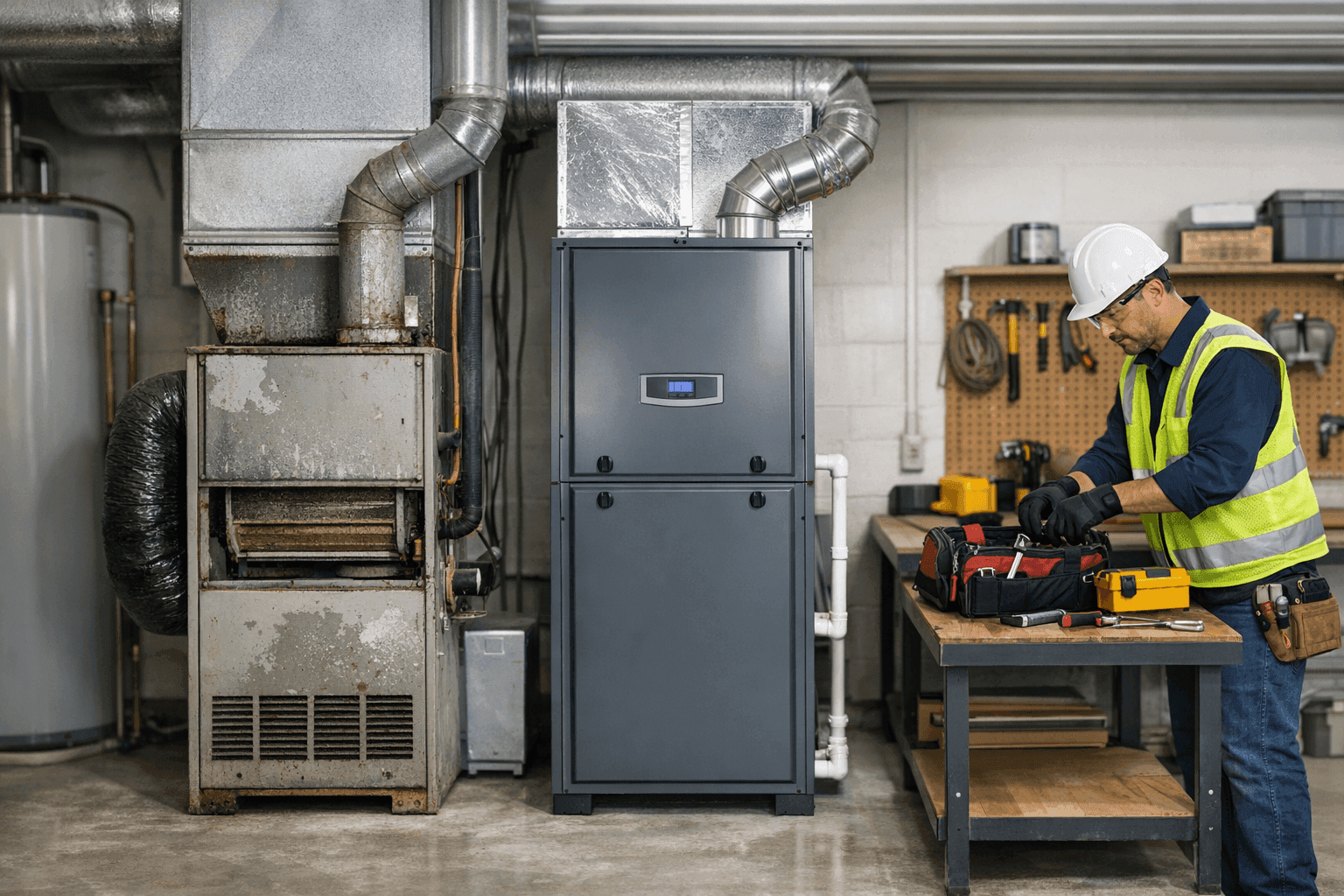
When your cooling system sputters on the hottest day of the year, it can feel like your home’s comfort has packed up and left. If you manage a commercial space, unreliable air can disrupt business, productivity, and peace of mind. At Brama Cooling, we know how much you rely on your HVAC system—day in, day out.
But how do you know when it’s time to stop pouring money into repairs and start thinking about a replacement? Let’s walk through the signs, the process, and what you’ll gain by choosing the right upgrade.
Signs You Need Replacement
Sometimes your HVAC unit speaks in whispers. Other times, it shouts. Here’s what to watch for:
- Frequent Breakdowns: If your calendar is dotted with repair visits, your system could be telling you it’s near the end of its journey.
- Rising Energy Bills: Like a car with a slow leak, an aging HVAC has to work harder—costing you more each month.
- Inconsistent Comfort: Hot and cold spots, weak airflow, or humidity issues may mean the system can no longer keep up.
- Unusual Noises or Smells: Banging, rattling, or musty odors are never a good sign.
- System Age: Most units last 10–15 years. After that, efficiency drops, and breakdowns become routine.
- Poor Indoor Air Quality: More dust, stale air, or allergy symptoms can mean your system is no longer filtering as it should.
If you’re ticking off more than one, it’s time to consider your options. 🕰️
Repair vs. Replace: The Classic Dilemma
Should you keep fixing the old unit, or is it time for a new one? Here’s how to weigh your choice:
- Cost of Repairs: A good rule of thumb: If repairs cost more than half the price of a new system, replacement is usually the smarter move.
- Frequency of Service Calls: Needing service more than once a year is a red flag.
- Safety Concerns: Issues like refrigerant leaks or electrical problems shouldn’t be ignored. The International Residential Code and ASHRAE standards stress timely repairs for safety.
- Energy Efficiency: New models can be up to 30% more efficient than systems from a decade ago.
In the end, it’s often better to invest in a new system than to keep patching up an old, unreliable one.
What Happens When You Call a Pro
Thinking about a new HVAC can feel overwhelming. Here’s what to expect from a reputable cooling company like Brama Cooling:
Step 1: In-Home or On-Site Assessment
A certified technician will evaluate your current setup, check ductwork, and measure your space. They’ll ask about your comfort needs, energy goals, and any concerns.
Step 2: Custom Recommendations
No two buildings are alike. We’ll suggest options tailored to your square footage, insulation, and layout—whether you need traditional central air, mini-splits, or whole-house fans.
Step 3: Upfront Estimates
You’ll get a clear, itemized quote. No guesswork. No hidden fees.
Step 4: Professional Installation
Our team follows local code and manufacturer guidelines, ensuring safe and efficient installation. We’ll test thermostats, balance airflow, and double-check indoor air quality.
The Benefits of Upgrading Your HVAC
Think of a new system as a fresh pair of running shoes. Everything feels lighter, smoother, more reliable. Here’s what you’ll notice:
- Consistent Comfort: Even temperatures and proper humidity control.
- Lower Bills: Modern systems use less power for the same results.
- Cleaner Air: Better filtration, less dust, and fewer allergens.
- Quieter Operation: Today’s models run almost whisper-quiet.
- Smart Controls: Thermostats near you, programmable settings, and remote access make comfort easy.
Investing in a new system is about more than cooling—it’s about peace of mind.
Timeline & Disruption: What to Expect
Worried about downtime? Most replacements can be completed in a single day for residential projects. Commercial installs might take a bit longer, but we work to minimize interruption. Our team protects your floors, keeps the workspace tidy, and hauls away the old unit.
DIY vs. Call a Pro
Changing a filter or clearing a vent? Absolutely, that’s DIY territory. But replacing an HVAC system isn’t a weekend project. There are electrical, refrigerant, and code requirements—plus permits in many areas. For safety and warranty protection, call trained professionals.
Safety First: Quick Checklist
Before any installation:
- Check electrical panels for proper capacity
- Confirm carbon monoxide detectors are working
- Make sure access to the unit is clear
- Review manufacturer installation guidelines
Safety isn’t just smart—it’s required. The International Mechanical Code outlines minimum standards for HVAC installs.
When It’s an Emergency
A total system failure in the middle of a heatwave or cold snap? That’s an emergency. Brama Cooling offers 24-hour emergency service to get you back up and running—fast.
Prevention & Maintenance
Want your new system to last? Routine maintenance is key. Schedule seasonal HVAC maintenance, replace filters regularly, and keep vents clean. These small steps can extend lifespan and protect your investment.
Seasonal Considerations
Spring and fall are the best times for HVAC replacement. You’ll avoid peak season rush and be ready for extreme temperatures.
Common Mistakes to Avoid
- Waiting too long to replace an aging system
- Ignoring rising energy bills
- Skipping annual maintenance
- Over- or under-sizing your new unit
A little planning up front saves headaches down the road.
Costs & Financing
Upgrading your HVAC is an investment. While costs vary, today’s systems offer excellent long-term savings. Ask us about options for maximizing efficiency and any current incentives.
Air Quality Matters
Modern systems do more than heat and cool. With options like air scrubbers, dehumidifiers, and advanced filters, you’ll notice fresher air and fewer allergens. IAQ (Indoor Air Quality) testing helps identify the best solutions for your space.
Choosing Your New System
Not all systems are created equal. Factors like building size, insulation, and usage patterns all matter. Our team helps you choose from leading brands and the latest technology to match your needs.
Learn more about our HVAC Installation and HVAC Repair services.
If you’re searching for a reliable cooling contractor or cooling company in Alexandria, Brama Cooling is ready to help.
FAQ: Your Top HVAC Replacement Questions
How long does a new system last?
Most last 10–15 years with proper care.
Do I need to replace my ductwork too?
Not always! Our techs will inspect and recommend only what’s truly needed.
Can I improve air quality with a new HVAC?
Yes! Many new systems offer advanced filtration, air scrubbers, and humidity control.
The Brama Cooling Difference
We’re committed to honest advice, safe installations, and long-term comfort for homes and businesses. From thermostats near you to full system installs, our pros guide you at every step.
Call Brama Cooling now — or reach us anytime at 888-840-5035 .