How Whole-House Fans Can Help Lower Indoor Temperatures Quickly
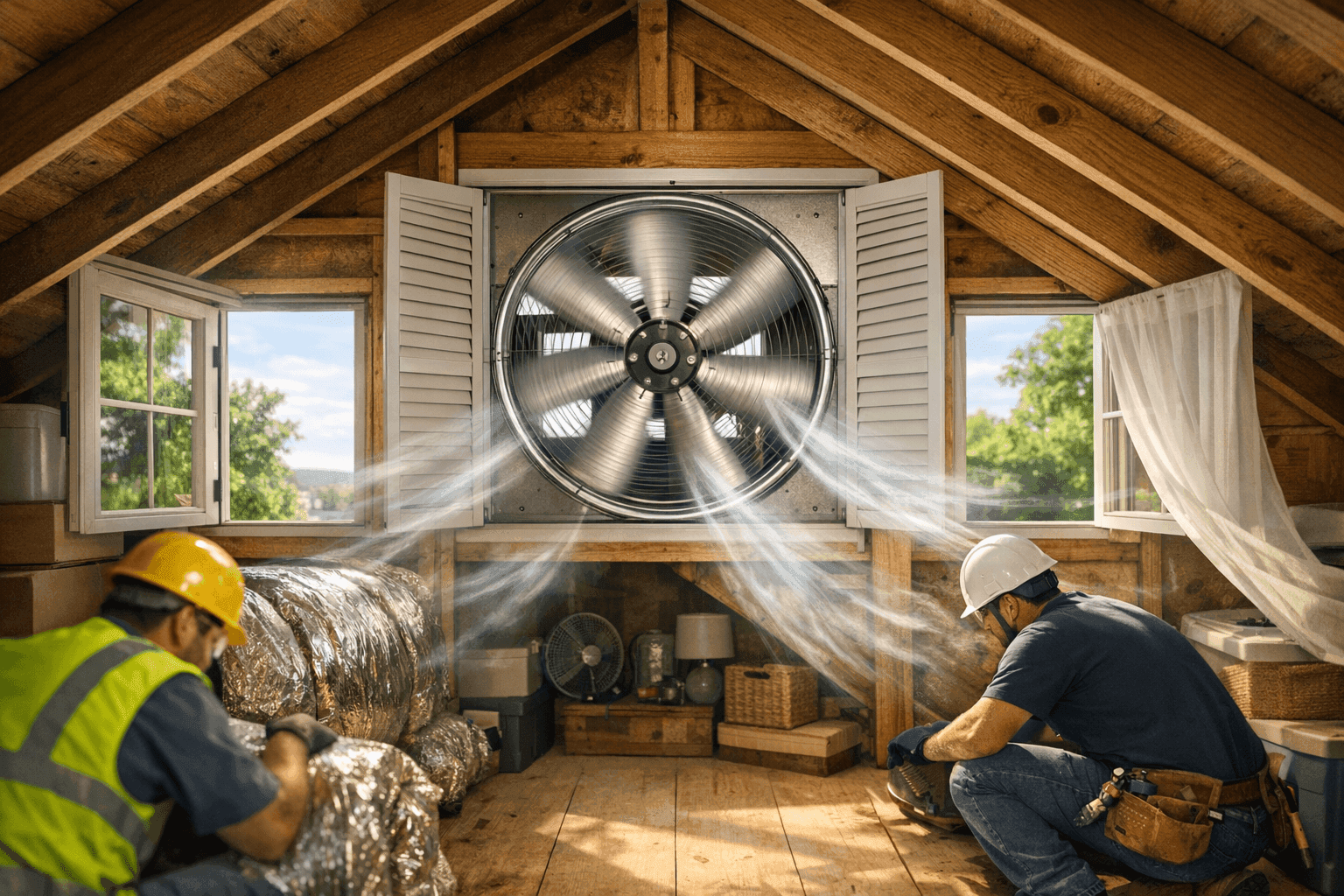
When the heat builds up inside, it can feel like your walls are closing in. You want relief—fast. That’s where whole-house fans step in, moving air like a gentle breeze across a sunbaked porch. At Brama Cooling, we know the tricks and details that make these fans work smarter for your comfort and wallet.
Whole-house fans can drop indoor temperatures quickly, but only if you use them right. Let’s explore how to unlock their full cooling power, safely and efficiently.
How Whole-House Fans Work 🌬️
Whole-house fans are like the lungs of your home. They pull in fresh air from the outside and push out the hot, stale air trapped in your living spaces and attic. Installed in the ceiling, these fans draw cooler evening or morning air through open windows and exhaust it into the attic, then out your roof vents.
This process creates a gentle, rolling breeze throughout your home. Properly used, a whole-house fan can lower the indoor temperature by several degrees in just minutes. It’s nature’s air conditioning—simple, effective, and energy-saving.
Best Times to Run the Fan
Timing is everything. For the best cooling results, run your whole-house fan:
- Early mornings: Before the sun heats up the roof and attic.
- After sunset: When outside temperatures have dropped below indoor levels.
- On dry days: Humidity can dampen the cooling effect.
Don’t run the fan in the middle of a hot afternoon. You’ll just pull in more heat.
Quick Safety Checklist
Before flipping the switch, take a moment for safety:
- Open enough windows: At least one window in each major room. This prevents backdrafts and helps the fan work efficiently.
- Check attic vents: Make sure nothing’s blocking roof or gable vents.
- Keep kids and pets clear: Fans create strong airflow—secure loose papers and lightweight objects.
- Inspect wiring: If the fan or switch looks worn, call a licensed technician.
The U.S. Department of Energy recommends verifying vent area and keeping windows open to avoid backdrafting carbon monoxide from gas appliances.
Tips for Fast Cooling
Want to cool your home even faster? Try these strategies:
- Open lower-level windows: Cooler air flows in down low, hot air rises and exits up top.
- Focus on shaded sides: Open windows on the shady side of your home to pull in cooler air.
- Close blinds and drapes: Block out sun heat during the day so the fan works with, not against, your efforts.
- Use with other cooling: Pair with AC to pre-cool your home, reducing how hard your air conditioner needs to work.
For more airflow ideas, see our Ventallation services.
DIY vs. Call a Pro
Handy homeowners can often clean and check their fans, but installation and major repairs should be left to certified technicians. Improper wiring or venting can lead to fire hazards or poor performance. Brama Cooling’s licensed team handles:
- Safe installation and electrical hookups
- Sizing the fan for your home or business
- Sealing and insulating around the unit
Thermostats near you can also help automate your fan for comfort and savings.
What Pros Do On Arrival
When you call Brama Cooling for a whole-house fan service, our technicians:
- Inspect the motor, blades, and housing for wear or damage
- Check electrical connections for safety and code compliance
- Test airflow and adjust for best performance
- Recommend any upgrades or repairs to improve efficiency
We follow National Electric Code (NEC) requirements and manufacturer guidelines.
Prevention & Maintenance
A little care goes a long way. Keep your fan running smoothly with these steps:
- Clean blades and grills: Dust buildup can slow down airflow and wear out the motor.
- Check attic insulation: Proper insulation prevents heat from sneaking back in.
- Lubricate moving parts: Some models require periodic oiling.
- Inspect for pests: Birds or rodents sometimes nest near vents.
Schedule annual maintenance with a professional to catch small issues before they become big headaches.
Common Mistakes to Avoid
Don’t let these errors trip you up:
- Forgetting to open enough windows (risking dangerous backdrafts)
- Running the fan on humid or smoky days
- Ignoring unusual noises or vibrations
- Skipping regular filter and vent cleaning
Whole-house fans are powerful, but only when used wisely.
Windows, Insulation, and Safety
Your home’s insulation and window habits matter more than you think. Well-sealed windows can keep hot air out during the day, and opening them at the right time lets your fan shine. Proper attic insulation stops heat from radiating back into your living space.
Always follow manufacturer safety instructions and consult local building codes. Utility companies like PNM and Xcel Energy often recommend whole-house fans as a low-cost cooling option, provided you follow safe installation and operation practices.
Costs & Time Factors
Whole-house fans are usually less expensive to run than central AC. Installation can often be completed in half a day for most homes. Commercial spaces may require a custom plan and slightly more time. Expect some light dust or disruption, but nothing like a full remodel.
When It’s an Emergency
If your fan won’t start, makes sharp noises, or you smell burning, shut it off and call for emergency service right away. Brama Cooling offers 24-hour support for urgent cooling needs.
Signs of Trouble
Watch for these warning flags:
- Sudden drops in airflow
- Strange grinding or squealing sounds
- Excess vibration or rattling
- Fan not responding to controls
Early action can prevent bigger repairs.
Timeline & Disruption
A standard maintenance visit takes about an hour. New installations usually take a half day. We work cleanly and leave your space as tidy as we found it.
Materials & Equipment
Our technicians use high-quality fans, insulated housings, and code-compliant wiring. We recommend energy-efficient models for long-term comfort and savings.
FAQ
Q: Can I use a whole-house fan with my AC? A: Yes—just not at the same time. Use the fan to pre-cool your home, then close windows and switch to AC if needed.
Q: How do I size a fan for my space? A: Bigger isn’t always better. Our team will calculate the right fan size based on your square footage and attic venting.
Q: Is it safe to run overnight? A: Yes, if windows are securely open and weather allows. Set a timer or use a smart thermostat for peace of mind.
Get the Most Out of Your Fans—and Your Comfort
Whole-house fans are a fast, cost-effective way to cool your home or business. Pair them with smart window habits, solid insulation, and regular maintenance for the best results. For those in the region, you can learn more about our cooling company and our full range of cooling services in Albuquerque.
Ready to breathe easier and beat the heat?
Call Brama Cooling now — or reach us anytime at 888-840-5035 .