Best Practices for Commercial HVAC Maintenance
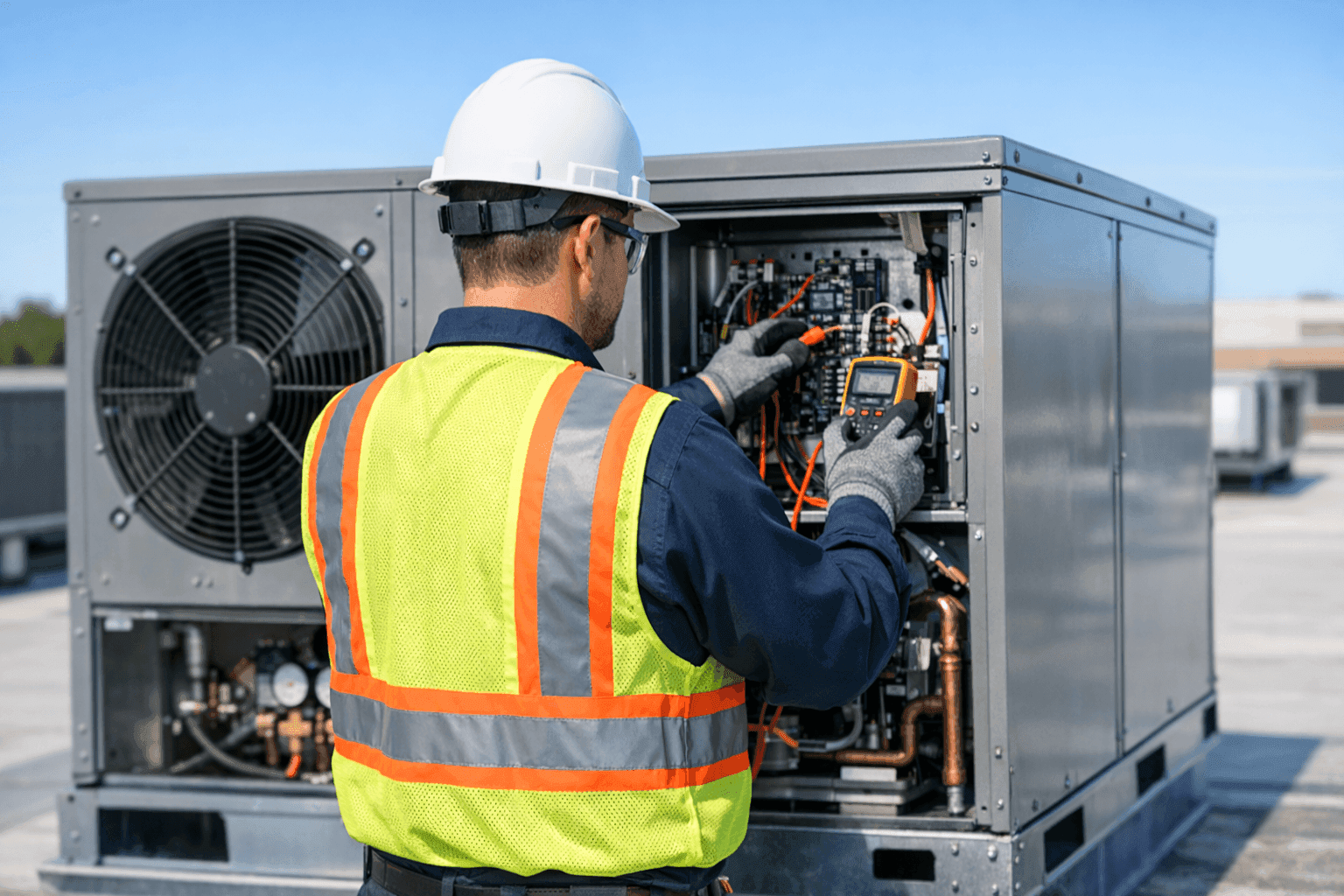
Keeping your building cool isn’t just about comfort—it’s about performance, safety, and protecting your investment. Businesses large and small rely on HVAC systems, but too often, maintenance gets pushed to the back burner. That can cost you more than you think.
At Brama Cooling, we’ve seen firsthand how a well-cared-for system can mean the difference between smooth operations and frustrating, costly breakdowns. Let's walk through what every facility manager or business owner needs to know to keep their HVAC running at its best.
Why Maintenance Matters for Business 🏢
Imagine your air conditioning as the lungs of your building. If it’s clogged or neglected, everything suffers. Poorly maintained HVAC systems can lead to:
- Higher energy bills
- Uncomfortable employees and customers
- Unscheduled downtime or closures
- Productivity loss
- Safety hazards and code violations
Regular maintenance isn’t just a nice-to-have. The Occupational Safety and Health Administration (OSHA) and Environmental Protection Agency (EPA) expect businesses to follow safety and environmental standards when it comes to HVAC care. Staying compliant helps you avoid fines and keeps everyone healthier.
Quick Safety Checklist Before You Touch Anything
Before anyone pops open a panel or climbs onto a roof, safety comes first. Here’s what should always be checked:
- Power is off—verify at the main breaker
- PPE (Personal Protective Equipment) is on—gloves, goggles, sturdy shoes
- Access ladders and workspaces are stable and clear
- Filters are handled with care; dust and mold can be hazardous
- Documentation for all chemicals or refrigerants is nearby, per EPA guidelines
Don’t cut corners. One slip can mean a serious accident or violation.
Critical Maintenance Tasks
Routine doesn’t have to mean boring. These simple steps keep systems humming and extend their lifespan.
Filter Changes: The Easiest Way to Breathe Easier
Think of filters as your HVAC’s first line of defense. Dirty filters are like trying to breathe through a scarf on a hot day—inefficient and stifling. Change filters at least every 1-3 months. In dusty environments or high-traffic areas, check them even more often.
System Inspections: What Pros Look For
A thorough inspection covers:
- Checking refrigerant levels to prevent overwork and freeze-ups
- Inspecting coils and fins for dirt or corrosion
- Listening for unusual noises or vibrations
- Reviewing thermostat function (including smart thermostats near you)
- Ensuring electrical connections are tight and safe
- Testing emergency shut-off switches
These aren’t just boxes to check. Each one is a potential trouble spot that, if ignored, can snowball into expensive repairs.
Air Quality Checks: Not Just About Temperature
Your cooling system doesn't just cool—it circulates. Dust, mold, pollen, and bacteria can all travel through your ducts. Regular Duct Cleaning and air scrubber maintenance help keep indoor air fresh and healthy. Don’t forget humidity checks and ventilation assessments; too much moisture invites mold, while too little can dry out skin and electronics.
Scheduling and Documentation: Set It and Don’t Forget It 🗓️
It’s easy to lose track of service dates. That’s why a maintenance logbook or digital calendar is vital. Record:
- Service dates and what was performed
- Parts replaced (filters, belts, fluids)
- Inspection results
- Any recommendations from technicians
This isn’t just for your peace of mind. OSHA and EPA audits may require proof of regular maintenance and safe practices. Plus, documentation helps you spot trends—like a part that always needs replacing—which can inform future planning and budgeting.
Reducing Energy Costs: Small Steps, Big Savings
Energy bills are often a mystery. But your HVAC is one of the biggest energy users in any building. Here’s how to keep those costs in check:
- Upgrade to programmable thermostats for precision cooling
- Seal and insulate ducts to prevent leaks (US Department of Energy recommends this step)
- Schedule regular coil cleanings for better airflow
- Replace worn belts and lubricate moving parts
- Consider whole-building energy audits to spot hidden inefficiencies
Every degree matters. Even a two-degree adjustment on your thermostat saves real money over the year.
DIY vs. Call a Pro: Where to Draw the Line
Changing a filter is simple. Climbing onto a roof or handling refrigerants? That’s another story. EPA Section 608 regulations restrict who can handle refrigerants, and for good reason—improper handling can damage the environment and void warranties.
Call a professional for:
- Refrigerant leaks or recharging
- Electrical issues or blown fuses
- System installations or major repairs
- Air quality testing and IAQ improvements
For everything else—like clearing debris from outdoor units or replacing filters—facility teams can usually handle it with the right training.
What Pros Do On Arrival
When our Brama Cooling techs arrive, here’s what happens:
- They review your maintenance log and ask about recent issues
- Safety checks come first—always
- They inspect, test, and measure system performance
- Recommendations are communicated clearly, along with a timeline and budget
Transparency is key. You’ll know what’s needed and why.
Prevention & Maintenance: The Power of Routine
Think of HVAC care like dental hygiene. Skip a cleaning, and you might not notice at first. Over time, small issues become big headaches. Set up a regular schedule—spring and fall are ideal for most commercial systems. This keeps your building ready for any season.
Costs & Time Factors
Worried about downtime during maintenance? Most routine tasks are fast and minimally disruptive. A full system inspection typically takes 1-2 hours, depending on building size. Budget for quarterly maintenance, with annual in-depth checks. Proactive care beats emergency repairs—every time.
When It’s an Emergency
If your cooling system fails on a sweltering day, it’s more than uncomfortable. For some businesses, it can mean lost revenue, spoiled goods, or equipment damage. That’s why Brama Cooling offers 24 Hour Emergency Service. We respond fast, diagnose the issue, and get you back up and running.
Seasonal Considerations: Don’t Get Caught Off Guard 🌦️
- Spring: Prep before cooling season. Test thermostats, inspect belts, clean coils.
- Summer: Monitor system performance. Watch for rising energy bills or hot spots.
- Fall: Switch gears; schedule a heating tune-up if you use the same system.
- Winter: Run regular checks in unused zones to prevent freezing or moisture problems.
Common Maintenance Mistakes to Avoid
- Skipping filter changes—clogs strain your system
- Ignoring small noises or performance dips
- Forgetting to document each service
- Using the wrong size filter or part
- Delaying repairs to save on short-term costs
These shortcuts can lead to bigger, costlier problems.
Signs of Trouble: When to Take Action
Watch for:
- Unusual odors or persistent dust
- Uneven cooling or unexplained hot/cold spots
- Water leaks or excess moisture near vents
- Higher-than-normal energy bills
These are early warning signs that maintenance—or repairs—are overdue.
Timeline & Disruption: Planning for Smooth Service
With the right plan, maintenance doesn’t have to disrupt business. Schedule during off-peak hours or weekends whenever possible. Communicate with your staff about what to expect. Most visits are in-and-out, with little impact on your team or customers.
Materials & Equipment: What You Need on Hand
Keep these supplies in your maintenance closet:
- Spare filters (correct size for your units)
- Cleaning wipes and coil brushes
- Belt replacements
- Thermostat batteries
- HVAC-safe disinfectants for vents and ducts
Having the basics ready speeds up every service visit.
FAQ: Commercial HVAC Maintenance
How often should commercial HVAC be serviced?
At least twice a year, with additional seasonal checkups for high-use environments.
What are the benefits of regular duct cleaning?
Improved air quality, reduced allergens, and more efficient cooling.
Does maintenance affect warranty coverage?
Yes—many manufacturers require documented maintenance to keep warranties valid.
Planning and Budgeting: Reliable Performance Year-Round
Investing in regular HVAC maintenance is about more than ticking a box. It’s about creating a comfortable, healthy, and efficient environment for everyone. Budget for scheduled service, keep documentation up to date, and work with professionals who understand OSHA, EPA, and local code requirements.
For more information about HVAC maintenance and cooling company services in your area, see our local guide for cooling specialists in Concord.
Call Brama Cooling now — or reach us anytime at 888-840-5035 .