How Often Should Businesses Schedule Duct Cleaning?
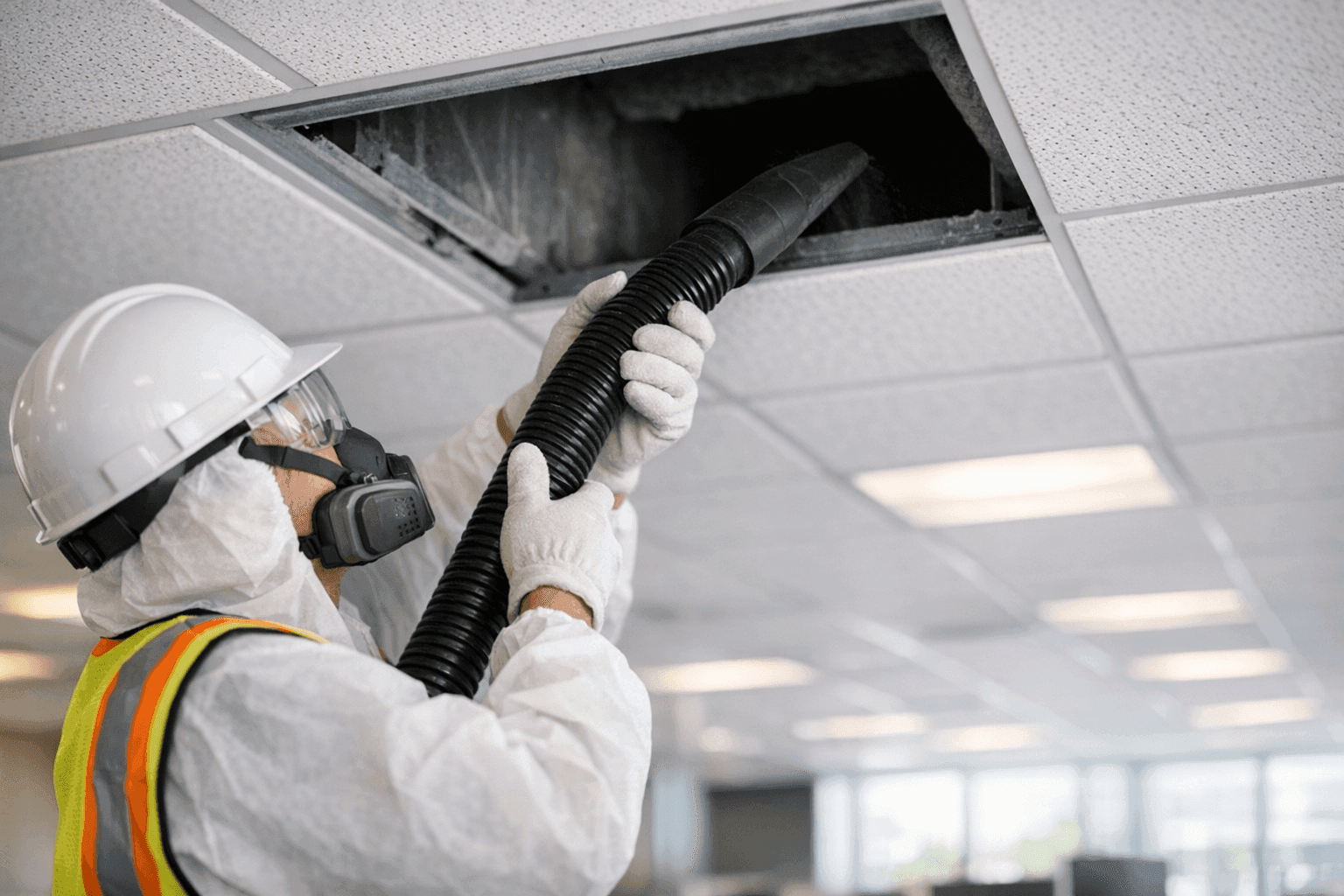
Keeping your business healthy starts with the air you breathe. Ducts are like the lungs of your building. If they’re dusty, clogged, or neglected, everyone inside feels it—sometimes before you even notice.
At Brama Cooling, we know that regular duct cleaning isn’t just about comfort. It’s about compliance, air quality, and making sure your cooling systems work as they should. Whether you manage a busy office, a retail space, or a multi-unit property, knowing how and when to schedule duct cleaning can make all the difference.
Why Duct Cleaning Matters for Business 🏢
Think of your ductwork as the hidden highway for air. Over time, debris, dust, pollen, and even mold can build up inside. This is more than a nuisance; it’s a real risk for allergies, asthma, and reduced air flow.
- Health regulations: Many local health codes require clean, well-maintained HVAC systems, especially in restaurants, healthcare, and childcare facilities.
- Productivity: Clean air means fewer sick days and better focus for your team.
- System efficiency: Dusty ducts force your cooling system to work harder, raising energy bills and shortening equipment life.
- Compliance: The American Society of Heating, Refrigerating and Air-Conditioning Engineers (ASHRAE) and OSHA both recommend regular inspection and maintenance of HVAC systems for safety and air quality.
Recommended Schedules
There’s no one-size-fits-all answer, but industry guidelines help.
- General guidance: The National Air Duct Cleaners Association (NADCA) suggests commercial ducts be inspected annually and cleaned every 3–5 years—or more frequently if you notice issues.
- High-risk environments: Restaurants, clinics, and manufacturing sites should consider cleaning every 1–2 years.
- After renovations: Construction dust can clog ducts fast—always schedule a post-project cleaning.
- Seasonal checks: Spring and fall are ideal for inspections, just before peak cooling or heating use.
Signs Ducts Need Cleaning
Sometimes, ducts give you clues. Don’t ignore them.
- Musty odors that linger, especially when the AC kicks on
- Visible dust streaks around vents or registers
- Sudden increase in allergies or respiratory complaints among staff
- Uneven temperatures or weak airflow in certain rooms
- Noticeable buildup of dust on furniture, even after cleaning
If you spot any of these, it’s time to act.
Dust, Allergens, and Your Air
Air ducts collect dust like a magnet collects metal shavings. Every sneeze, every cough, and every open window can add to the pile.
- Allergens: Pollen and pet dander can settle deep in ductwork, circulating every time the system runs.
- Mold: Damp conditions or roof leaks can spark mold growth, which is a major health hazard.
- Bacteria and viruses: Proper duct cleaning, combined with air scrubbers and quality filters, helps reduce the spread.
For more on improving workplace air, see our Indoor Air Quality page.
Quick Safety Checklist
Before hiring anyone, ask:
- Are they NADCA-certified?
- Do they follow EPA guidelines for cleaning and disposal?
- Is there proof of insurance and background checks for technicians?
- Will they provide before-and-after photos or a written report?
DIY vs. Call a Pro
Wiping down supply grills is doable. But deep duct cleaning? That’s another story. It requires specialized vacuums, rotary brushes, and trained eyes to spot hidden trouble.
- DIY: Limited to surface dust and vents.
- Professional: Reaches deep into trunk lines, checks for mold, and ensures nothing is missed.
With commercial spaces, pros are the clear choice.
What Pros Do On Arrival
Here’s what to expect:
- Walkthrough and questions about your space.
- Inspection of ducts, vents, and cooling equipment.
- Use of high-powered vacuums and sealed containment.
- Cleaning of registers, diffusers, and main trunk lines.
- Review and recommendations for filters and maintenance.
A good provider will never rush. Quality matters more than speed.
Prevention & Maintenance
Clean ducts last longer when paired with smart habits:
- Change filters every 1–3 months (especially during heavy use).
- Schedule regular HVAC Maintenance.
- Use entry mats to reduce tracked-in dust.
- Address leaks and moisture fast to prevent mold.
Costs & Time Factors
Budgets matter. Cleaning costs depend on:
- Building size and number of vents
- Duct material and accessibility (drop ceilings vs. exposed ducts)
- Frequency of previous cleanings
Smaller offices may take half a day. Larger facilities could need a full day or more. Plan ahead to minimize disruption.
When It’s an Emergency
Sometimes, waiting isn’t an option. Call for immediate duct cleaning if:
- You discover visible mold or smell strong mildew
- Fire or smoke has traveled through the system
- There’s evidence of pests or rodent activity
Don’t hesitate—indoor air can turn unsafe fast.
FAQ: Common Business Duct Cleaning Questions
How disruptive is duct cleaning?
Most jobs are done after hours or weekends to avoid interfering with your business. Good providers use containment and cleanup practices to keep things neat.
Will cleaning damage my ducts?
Proper technique won’t harm ducts. In fact, cleaning can reveal hidden issues before they become expensive repairs.
Is it required by law?
Some industries (like food service or healthcare) have stricter rules. Always check with your local building code or fire marshal.
Seasonal Considerations
Plan cleanings before major seasonal shifts:
- Spring: Remove winter dust and prep for cooling season.
- Fall: Clear out summer pollen and debris, ready for heating.
This keeps your system running smoothly year-round.
Common Mistakes
Don’t fall for these traps:
- Waiting too long between cleanings
- Hiring unqualified or uncertified providers
- Ignoring odd smells or staff complaints
- Forgetting about hard-to-reach or rarely used zones
Timeline & Disruption
Expect some noise and movement, but most businesses can stay open. Communication is key. A clear plan from your provider keeps surprises to a minimum.
Materials & Equipment Used
Professional duct cleaners use:
- High-efficiency particulate air (HEPA) vacuums
- Agitation devices to loosen debris
- Negative air machines to keep dust contained
- Inspection cameras for before-and-after documentation
Ask about the tools—they make a real difference.
Planning and Budgeting for Clean, Healthy Air
Clean ducts are an investment in your people—and your building. Set a recurring reminder for inspections. Budget for cleaning every few years, or more often if your industry demands it.
For businesses in the area looking for reliable cooling company options, Brama Cooling brings certified technicians and a professional approach to every job.
Choosing a Provider
Look for:
- NADCA membership or equivalent certification
- References from other businesses like yours
- Transparent pricing and clear communication
- A commitment to indoor air quality, not just a quick fix
Your air is too important to leave to chance.
Ready to Schedule?
Clean ducts, happy lungs, smooth-running cooling. That’s what Brama Cooling delivers.
Call Brama Cooling now — or reach us anytime at 888-840-5035 .