How to Choose the Best Air Purifier for Your Space
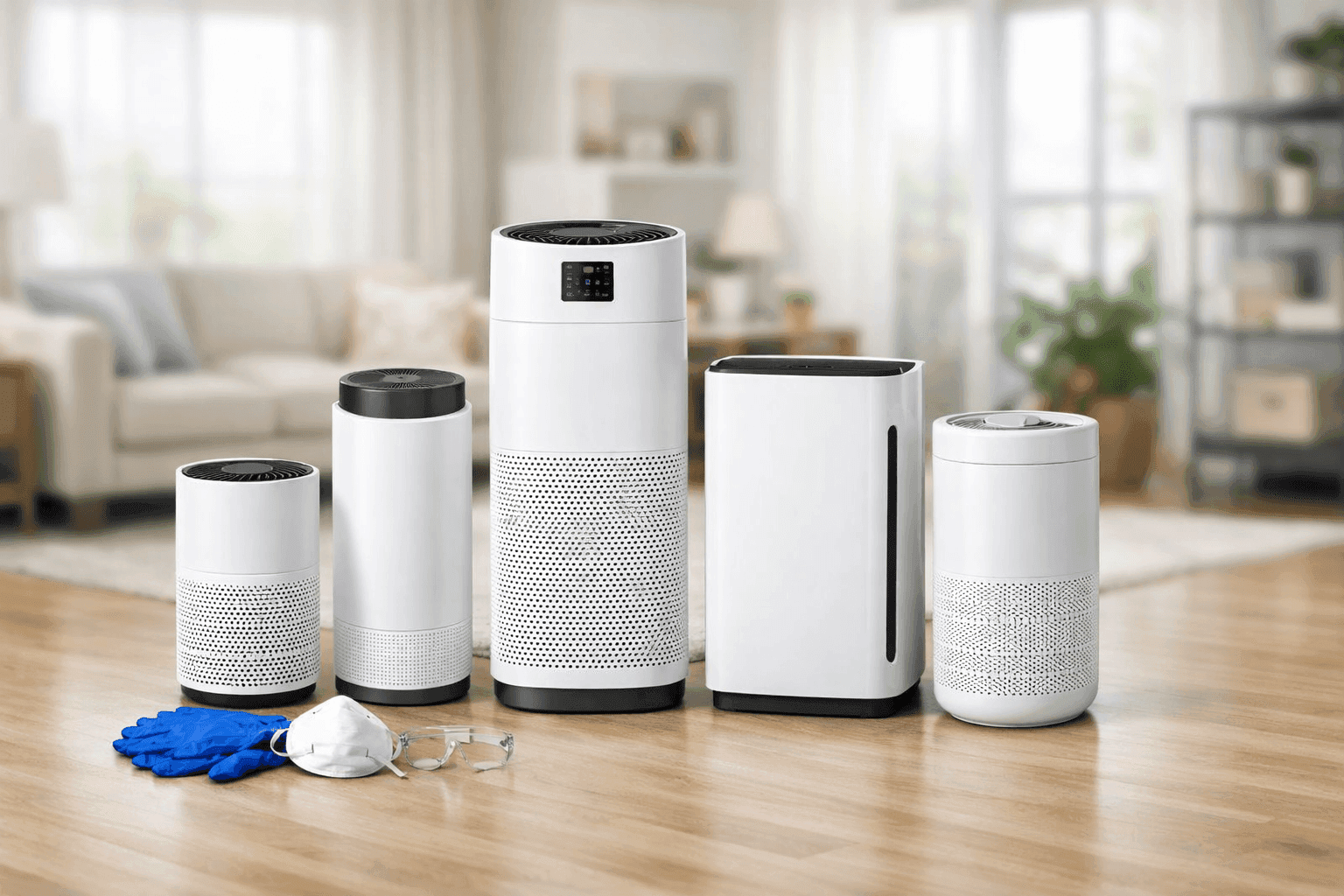
The air you breathe matters. It shapes how you feel at work, at home, and everywhere in between. Maybe you’ve noticed dust building up, allergy symptoms getting worse, or a heavy, stale feeling you just can’t shake. If so, you’re not alone. At Brama Cooling, we hear these concerns from families and business owners every day.
Air purifiers can make a real difference. But with so many options—HEPA, carbon, UV, and more—the search can feel overwhelming. Let’s break it down together so you can breathe easier.
How Air Purifiers Work 🌬️
Think of an air purifier as a silent janitor, sweeping the air clean while you go about your day. But not all purifiers work the same way.
- HEPA filters trap tiny particles, including allergens, dust, and pet dander. The U.S. Department of Energy defines "true HEPA" as removing at least 99.97% of particles 0.3 microns in size.
- Activated carbon filters act like sponges for odors and volatile organic compounds (VOCs). They absorb gases that HEPA filters can’t catch.
- UV-C light models use ultraviolet light to neutralize bacteria, viruses, and mold spores. The CDC recognizes UV-C technology as an effective tool in reducing airborne pathogens when used properly.
Some purifiers combine these methods, layering protection for a cleaner, healthier environment. The right technology creates a noticeable difference in indoor air quality—like stepping into fresh air after a summer rain.
Key Features to Consider
Every space is unique. The best air purifier for your neighbor may not be the best for you. Here’s what to look at:
- Filter Type: True HEPA for particles; carbon for smells; UV for biological contaminants.
- Filter Replacement: Easy to change? Affordable? Check the manufacturer’s schedule.
- Noise Level: Especially important for bedrooms and offices. Some run as quietly as a whisper. Others hum like a fridge.
- Smart Controls: Timers, sensors, and app controls add convenience. Some can even adjust themselves based on air quality readings.
- Energy Efficiency: Look for ENERGY STAR® labels. Efficient units save money and run cooler.
- Certifications: Independent testing by labs like AHAM (Association of Home Appliance Manufacturers) and reviews from Consumer Reports add peace of mind.
Sizing Your Purifier
A purifier too small is like using an umbrella in a thunderstorm—helpful, but not enough. Too large, and you’re using more power than you need.
- Room Size: Match purifier capacity to square footage. Most units list recommended coverage. Measure your space before you buy.
- CADR Rating: Clean Air Delivery Rate (CADR) measures how quickly the purifier can remove smoke, dust, and pollen. The higher the number, the faster it works.
- Ceiling Height: High ceilings mean more air to clean. Adjust your choice accordingly.
For businesses with open floor plans or homes with multiple rooms, consider placing several units or choosing a whole-house solution. Our Indoor Air Quality team can help with tailored advice.
Popular Types and Technologies
Let’s talk options. There’s no one-size-fits-all in the world of clean air.
- Portable HEPA Purifiers: Great for bedrooms, nurseries, and offices. Easy to move. Well-reviewed by independent labs.
- Carbon Filter Units: Tackle smoke, kitchen odors, and chemicals. Perfect for spaces with painting, cooking, or new furnishings.
- UV-C Purifiers: Add another layer of defense in clinics, waiting rooms, or homes with immune-compromised residents.
- Hybrid Systems: Mix and match HEPA, carbon, and UV in one device. These are often chosen for higher-traffic commercial spaces.
- Whole-House Air Purifiers: Installed directly into your HVAC system for full-home coverage. Ideal for allergy sufferers and families.
Remember, performance can vary widely. Always check certifications and third-party test results before making a decision.
The Importance of Filter Quality
A filter is the heart of your air purifier. But not all filters are created equal.
- True HEPA vs. "HEPA-type": Only "True HEPA" meets strict industry standards.
- Carbon Filters: More activated carbon means better odor removal. Check thickness and replacement intervals.
- Maintenance: Clogged filters lose efficiency. Set reminders for regular changes. Brama Cooling offers quality filters for most brands.
Air Quality Testing: Know Before You Buy
Guesswork is the enemy of good decisions. Simple indoor air quality (IAQ) testing can reveal hidden culprits—mold spores, VOCs, even carbon monoxide.
- DIY Test Kits: Available, but accuracy can vary.
- Professional IAQ Testing: Uses calibrated equipment and follows EPA guidelines. The investment pays off in peace of mind and targeted solutions.
Our indoor air quality services include IAQ testing, so you know exactly what you’re dealing with.
DIY vs. Professional Installation
Some purifiers are plug-and-play. Others, especially whole-house models, require expert installation.
- Plug-In Units: Simple setup. Just follow the manual, place away from walls, and keep doors and windows closed for best results.
- HVAC-Integrated Systems: Best left to licensed technicians. Improper installation can reduce performance or void warranties.
When in doubt, call a cooling specialist. Safety and effectiveness come first.
Costs and What to Expect
Air purifier prices swing from budget to luxury. But cost isn’t everything.
- Initial Purchase: Portable units can start under $100; advanced systems run $500–$1500 or more.
- Ongoing Maintenance: Filter changes are the main recurring cost. Plan for this when budgeting.
- Energy Use: Efficient models save on utility bills. Some run for pennies a day.
Factor in these numbers as you compare options. Quality often pays for itself in comfort and health.
Common Mistakes to Avoid 🚫
It’s easy to get tripped up. Here’s what to watch for:
- Ignoring filter replacement schedules.
- Choosing a unit too small for the space.
- Placing purifiers behind furniture or in corners.
- Forgetting about ventilation—purifiers aren’t a substitute for fresh air.
Avoid these pitfalls to get the most out of your investment.
When to Upgrade or Replace Your Purifier
Even the best machines wear out. If your unit is over five years old, or if air quality issues persist despite regular maintenance, it might be time for a change.
- Performance Drops: Noticeable dust, odors, or allergy flare-ups.
- Outdated Tech: Newer models offer better efficiency and quieter operation.
- Hard-to-Find Filters: If replacements are scarce, consider upgrading.
Modern air purifiers address today’s indoor environments better than ever.
Seasonal Considerations
Your air quality needs shift with the seasons.
- Spring/Summer: Pollen and wildfire smoke are major triggers. HEPA is your friend.
- Fall/Winter: Closed windows mean more indoor pollutants. Carbon filters help with holiday cooking and heating odors.
- Year-Round: Humidity control and regular filter changes are key.
Adapting your approach keeps air fresh, no matter the weather.
Quick Safety Checklist
Before you buy, run through this:
- Verified HEPA or carbon filter?
- Independent lab certification?
- Appropriate CADR for your room?
- Easy, affordable filter replacements?
- Quiet enough for your space?
Check these boxes for peace of mind.
Frequently Asked Questions
Do air purifiers help with viruses?
Yes—HEPA filters capture many airborne viruses, while UV-C systems can neutralize them. Always check for independent lab results.
Are ozone purifiers safe?
Ozone can be harmful indoors. Most health authorities, including the EPA, recommend avoiding ozone generators for occupied spaces.
How often should I run my air purifier?
For best results, run it continuously. Most units are designed for 24/7 use, especially in allergy season.
Prevention and Maintenance
Keeping your purifier in top shape is simple.
- Change filters on schedule.
- Vacuum around the unit.
- Wipe exterior surfaces regularly.
- Keep intake and output clear of obstructions.
Yearly maintenance, especially for HVAC-integrated systems, prevents problems before they begin.
Ready for Cleaner Air? Contact Brama Cooling
The right air purifier does more than clear the air. It gives you control over your space—at home or at work. Still have questions about HEPA, carbon, UV, or the best fit for your unique needs? Brama Cooling is here to help.
Call Brama Cooling now — or reach us anytime at 888-840-5035 .