How to Choose the Best Dehumidifier for Your Needs
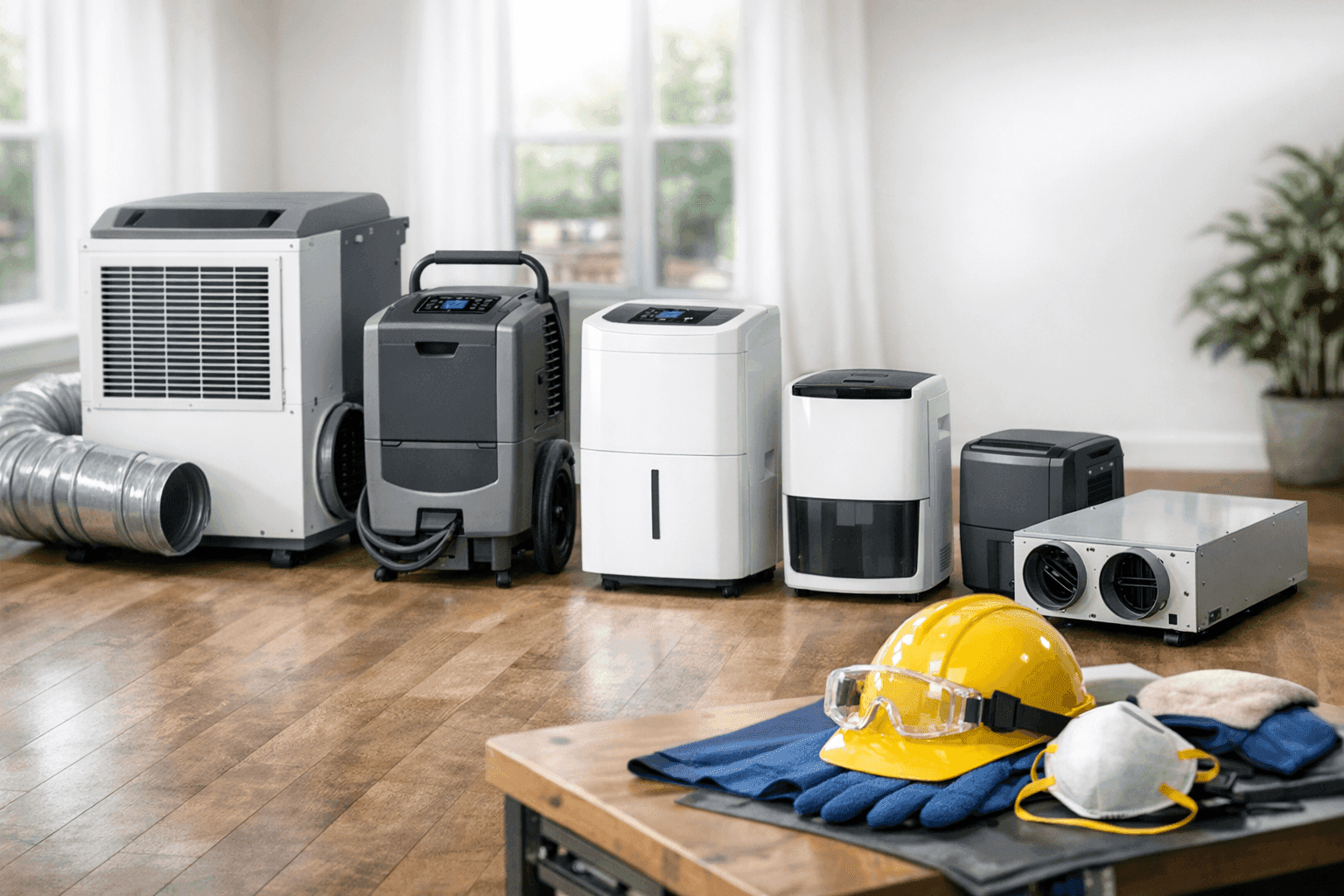
Humidity creeps in quietly. One day, your home or business feels comfortable and fresh. The next, it’s muggy—windows fog, walls feel sticky, and the air feels thick. Maybe you catch a whiff of must. Or, worse, see patchy mold. At Brama Cooling, we know these signs mean it’s time to take control.
Choosing the right dehumidifier doesn’t have to be confusing. With the right knowledge, you’ll breathe easier—and protect your space from costly water damage and allergens. Here’s how to match the perfect unit to your needs.
Types of Dehumidifiers
Not all dehumidifiers work the same way. Think of it like picking shoes for a hike—some are built for short strolls, others for rugged terrain.
- Portable Dehumidifiers: These are the most common. You move them from room to room. Ideal for bedrooms, basements, or offices under 2,000 square feet.
- Whole-Home Dehumidifiers: Installed directly into your HVAC system, these units treat every room at once. Best for large homes or commercial spaces. They can even work while your AC is off.
- Desiccant Dehumidifiers: Less common for homes, these use special materials to absorb moisture. Useful in cold environments where traditional units struggle.
Each type has its strengths. Portable models offer flexibility, while whole-home units work silently in the background, protecting every corner.
How to Size a Dehumidifier 🧮
A dehumidifier that’s too small will barely make a dent. Too large, and you waste energy. The right size? It’s like choosing the right tool for the job.
Manufacturer guidelines—like those from ENERGY STAR and AHAM (Association of Home Appliance Manufacturers)—recommend sizing by both square footage and the moisture level in your space.
- Small rooms (under 500 sq. ft.): 20–30 pints per day for damp conditions, 30–40 pints for very wet spaces.
- Medium rooms (500–1,000 sq. ft.): 30–50 pints.
- Large areas (1,000–2,500+ sq. ft.): 50–70+ pints.
But don’t stop at size. Pay attention to the moisture problem itself:
- Is it just a little musty? Go lower.
- Visible mold, water stains, or constant wetness? Go higher.
- Frequent laundry, cooking, or showers in the area? Bump up capacity.
For exact numbers, always check the manufacturer’s charts. Or, schedule an indoor air quality assessment for tailored advice.
Key Features to Consider
Not all dehumidifiers are created equal. Like picking the right car, features make the difference.
- Humidistat: Lets you set and maintain your ideal humidity (usually 30–50% for comfort).
- Auto Shut-Off: Prevents overflow when the tank is full.
- Continuous Drainage Options: Attach a hose to avoid daily emptying.
- Filter Indicator: Reminds you when to clean or replace the air filter—key for allergy sufferers.
- Energy Efficiency: Look for the ENERGY STAR label. Efficient units use less power, saving you money all year.
- Low Temperature Operation: If you need dehumidification in a basement or cold space, choose a model with automatic defrost.
- Noise Ratings: Important for bedrooms and offices.
If you’re unsure, reputable brands provide technical data and user guides. Brama Cooling can help you decipher the details.
Where to Place Your Dehumidifier 📍
Placement is the secret sauce. Even the best unit won’t help if it’s stuck behind furniture.
- Central location: For portable units, keep them in the middle of the problem area.
- Away from walls: Give at least 6–12 inches of clearance for airflow.
- Near sources of moisture: Bathrooms, laundry rooms, and basements are common trouble spots.
- For whole-home units: Let professionals handle installation, ensuring even coverage throughout your property.
Remember: closed doors can block air movement. If you’re treating an entire floor, keep doors open or use multiple units.
Drainage Options: Manual vs. Continuous
Emptying buckets gets old—fast. Most modern dehumidifiers offer two paths:
- Manual: Remove and empty the bucket when it’s full. Simple, but needs attention.
- Continuous: Attach a hose to drain into a floor drain or sink. Perfect for basements or when you’re away.
Some units can even pump water upward, handy if your drain is above the unit. Always follow manufacturer instructions and local plumbing codes, such as the International Mechanical Code (IMC) and state health guidelines.
Energy Use and Efficiency
A dehumidifier can run for hours, especially in humid seasons. Efficiency matters. Look for:
- ENERGY STAR rating: Up to 30% more efficient than standard models.
- Automatic shut-off: Saves power when the tank is full or target humidity is reached.
- Adjustable fan speeds: Lower speed uses less energy, reduces noise.
Want to save more? Pair your dehumidifier with a smart thermostat from our Thermostats service for optimal control.
Common Problems: Signs You Need a Dehumidifier
Still on the fence? Here are red flags that your space needs help:
- Condensation on windows or pipes
- Musty odors that linger
- Visible mold or mildew
- Peeling paint or wallpaper
- Allergies acting up indoors
Ignoring humidity issues is like ignoring a leaky roof—the damage only grows.
Quick Safety Checklist
Before you plug in a new unit, tick off these boxes:
- Check the power supply: Use a grounded outlet. Avoid extension cords.
- Clear the area: Keep vents and intakes free from dust or clutter.
- Inspect hoses: Make sure they’re secure to prevent leaks.
- Read the manual: Follow all manufacturer safety and maintenance tips.
The U.S. Consumer Product Safety Commission recommends checking for recalls on older units—fire safety matters.
DIY vs. Call a Pro
Some folks love a good DIY project. For portable units, setup is usually straightforward. But whole-home systems, or if you’re worried about persistent mold, are best left to professionals.
Brama Cooling’s technicians are trained in both residential and commercial environments. We follow industry best practices and code compliance for every installation.
What Technicians Do on Arrival
When you schedule service, here’s what to expect:
- Assess humidity: Using professional meters and IAQ testing tools.
- Inspect for mold and leaks: Looking behind walls and under floors.
- Recommend solutions: Matching unit size and type to your building.
- Install and test: Ensuring safe, effective operation.
We also show you how to use all features, so you stay in control.
Prevention and Maintenance
A dehumidifier isn’t set-and-forget. Keep yours running smoothly with these tips:
- Clean the filter regularly: Every 2–4 weeks, depending on use.
- Wipe down the tank: Prevents bacteria and odors.
- Check hose connections: Look for leaks or blockages.
- Monitor humidity: Adjust settings as seasons change.
Annual maintenance from Brama Cooling can extend your unit’s life and catch problems early.
Costs & Time Factors
Prices range from $200 for small portables to over $2,000 for whole-home systems (not including installation). Factor in energy costs—efficient models pay off over time.
Installation for portables? Less than an hour. For whole-home systems, expect several hours to a day, with minimal disruption to your routine.
When It’s an Emergency
If you see standing water, rapid mold growth, or have health symptoms tracing back to humidity, don’t wait. These situations call for immediate action.
Brama Cooling offers 24 hour emergency service. We care for both homes and businesses—so your property stays safe, dry, and comfortable.
Seasonal Considerations
Humidity fluctuates. Summer storms, monsoon season, even winter rains can spike moisture indoors. Monitor levels with a hygrometer, especially during wet months.
Adjust your dehumidifier’s settings as needed. In winter, you may need less dehumidification—too dry, and you risk static electricity or dry skin.
Common Mistakes to Avoid 🚫
- Getting the wrong size: Too small or too big wastes money and energy.
- Ignoring maintenance: Dirty filters hurt performance.
- Poor placement: Hiding the unit behind furniture blocks airflow.
- Skipping professional help: Some issues need a trained eye.
Think of your dehumidifier as a guard dog for your air—give it what it needs to do its job.
FAQ
Q: Can I use more than one dehumidifier at home?
A: Yes. Especially in large or multi-level homes, multiple units may be more effective than a single oversized one.
Q: What humidity level should I aim for?
A: Aim for 30–50% relative humidity, per EPA recommendations.
Q: Will a dehumidifier cool my home?
A: It won’t lower temperature like an AC, but drier air often feels cooler and more comfortable.
Q: Is installation disruptive?
A: Portable units require almost no setup. Whole-home installations by Brama Cooling are done with care to minimize disruption.
Timeline & Disruption Expectations
- Portable unit: 30 minutes or less. Plug in, set humidity, go.
- Whole-home dehumidifier: 3–8 hours, depending on home size and ductwork. Most jobs are completed in one day.
- Commercial spaces: Varies by square footage and building complexity.
Materials & Equipment Needed
- The right size dehumidifier (portable or whole-home)
- Power source (check breaker capacity)
- Drain hose (if using continuous drainage)
- Hygrometer (to monitor humidity)
- Cleaning supplies (for maintenance)
For commercial properties or larger homes, professional evaluation ensures you get the right setup from the start.
Connect With Local Cooling Specialists
Choosing the right dehumidifier is an investment in your property’s health and your comfort. For more on dehumidifiers and other solutions, see our Dehumidifiers service area information.
For tailored advice, installation, or emergency help, trust Brama Cooling’s team of HVAC professionals. We’re experts in cooling, air balancing, and indoor air quality—for homes and businesses alike.
Call Brama Cooling now — or reach us anytime at 888-840-5035 .