How to Choose the Right HVAC Filter for Your Needs
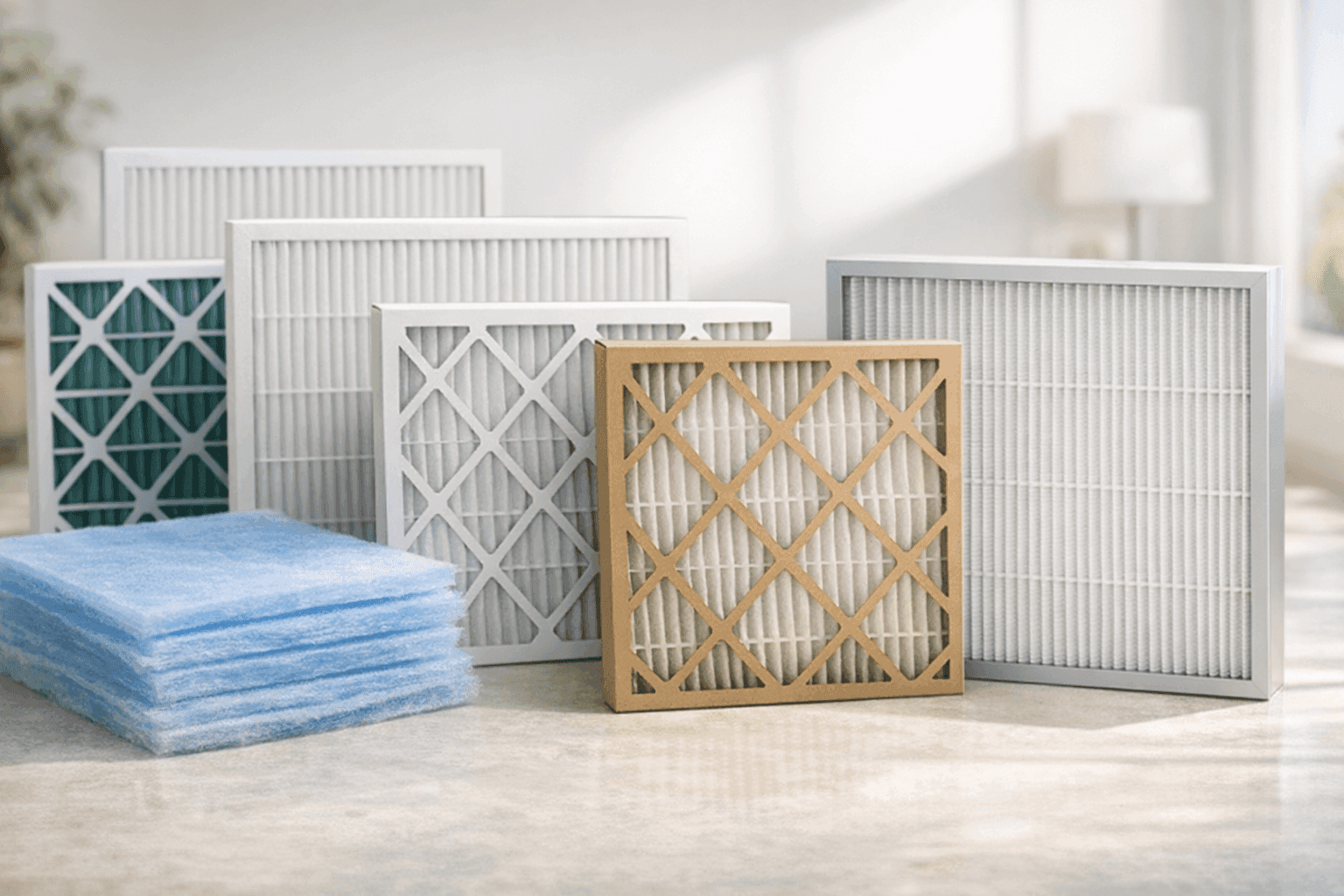
We breathe over 20,000 breaths a day. Every one of those breaths passes through your HVAC filter—at home, at work, anywhere you rely on cooling. But not all filters are created equal. Choosing the right one protects your lungs, your comfort, and the life of your system.
At Brama Cooling, we know the world of HVAC filters can feel like a maze. That’s why this guide cuts through the confusion with clear advice, practical tips, and the know-how trusted by our team. Whether you’re searching for “Thermostats near you” or just trying to get the most out of your cooling system, let’s make sense of your options together.
Why Filters Matter: The Hidden Guardians of Your Air 🌬️
Think of your HVAC filter as the goalie in a fast-paced game. Its job is to block dust, pollen, pet hair, and even microscopic intruders like bacteria before they reach your lungs—or your system’s inner workings.
- Indoor Air Quality: The right filter keeps allergens, mold spores, and fine dust at bay. This is especially important for families with allergies or businesses that value a healthy environment.
- System Protection: Filters also defend the sensitive coils, fans, and motors inside your HVAC. A dirty or wrong-sized filter is like letting mud clog your car’s engine.
- Efficiency: Clean filters help your system breathe freely, so it doesn’t waste energy or overheat.
The U.S. Environmental Protection Agency (EPA) and the American Society of Heating, Refrigerating and Air-Conditioning Engineers (ASHRAE) both emphasize the role of proper filtration in healthy, efficient homes and businesses.
Breaking Down MERV Ratings: What Do Those Numbers Mean?
Ever seen “MERV 8” or “MERV 13” on a filter package and wondered what it meant? MERV stands for Minimum Efficiency Reporting Value—a scale from 1 to 16. Here’s what you need to know:
- MERV 1–4: Basic protection. Catches only large particles like carpet fibers and dust mites. Not enough for most homes today.
- MERV 5–8: Standard for most residential systems. Blocks pollen, dust, and some mold spores.
- MERV 9–12: Improved filtration for homes with pets or allergy-sufferers, or for light commercial needs.
- MERV 13–16: High-efficiency. Captures bacteria, smoke, and even some viruses. Often used in hospitals and clean rooms.
Pro tip: Some older systems can’t handle high-MERV filters because they restrict airflow. Always check your system’s manual or ask a technician before upgrading.
Comparing Filter Types: Fiberglass, Pleated, and HEPA
HVAC filters come in different shapes and strengths. Here’s how the main types stack up:
Fiberglass Filters
- Cost: Lowest upfront price.
- Lifespan: Usually 30 days.
- Performance: Basic. Good for large debris, not great for allergens.
- Best for: Short-term use, rental units, or systems with minimal filtration needs.
Pleated Filters
- Cost: Moderate.
- Lifespan: 60–90 days for most.
- Performance: Dense folds trap more dust, dander, and pollen.
- Best for: Most homes and offices. Balances cost, airflow, and protection.
HEPA Filters
- Cost: Highest.
- Lifespan: 6–12 months, but check manufacturer guidelines.
- Performance: Removes 99.97% of particles as small as 0.3 microns.
- Best for: Medical facilities, clean rooms, or homes with severe allergy/asthma needs.
Note: Not all HVAC systems can handle HEPA filters. They’re denser, which means more airflow resistance. Upgrading to a HEPA filter usually requires a system check.
Lifespan and Cost: What to Expect Over Time
Think of filter replacement like changing the oil in your car. Wait too long, and you’re risking more than just dirty air—you’re putting your whole system in danger.
- Fiberglass: Replace every 30 days.
- Pleated: Replace every 60–90 days.
- HEPA: Replace every 6–12 months, but inspect monthly.
- Custom or oversized filters: Follow manufacturer instructions, which can vary.
Budgeting tip: Pleated filters cost a bit more up front, but their longer lifespan and better filtration often mean you spend less on system repairs and doctor visits.
Choosing the Right Filter: Match Your Needs and System
No one-size-fits-all here. The right filter depends on your building, your health, and your system’s abilities.
Ask yourself:
- Do you have pets?
- Are there allergy sufferers or respiratory concerns in your home or office?
- How old is your HVAC system?
- Do you run your system year-round?
Residential tip: Most homes do well with a MERV 8–11 pleated filter. If you have allergies or pets, consider MERV 11–13—with a check from a professional.
Commercial tip: Offices, restaurants, and retail spaces often need higher MERV ratings, especially with open doors and higher foot traffic. Industrial spaces may require custom solutions.
Still unsure? Our Brama Cooling technicians can help you weigh the pros and cons and check your system’s specifications when you book HVAC Maintenance.
When to Replace: Signs It’s Time for a New Filter
Don’t just mark your calendar—watch for these common signals:
- Dust collecting around vents or on furniture faster than usual
- Visible dirt or discoloration on the filter itself
- Unusual odors when your system kicks on
- A sudden jump in energy bills
- Longer run times, or the system struggling to keep up
If you notice these, swap out your filter—or call for service.
Quick Safety Checklist for Filter Changes
Safety first. Before handling your filter:
- Turn off your HVAC system at the thermostat.
- Wear gloves if you have allergies or sensitive skin.
- Slide the old filter out gently to avoid loose dust.
- Insert the new filter with arrows pointing in the direction of airflow (usually toward the blower).
- Secure any latches or covers.
Dispose of the old filter in a sealed bag if you’re concerned about allergens.
DIY or Call a Pro? Knowing Your Limits
Changing a basic filter is usually DIY-friendly. But if your filter is hard to access, oversized, or your system is commercial grade, it’s smart to let a technician handle it.
Technicians also check for:
- Correct filter size and fit
- Signs of mold or moisture damage
- Airflow restrictions or pressure drop
- System compatibility with higher-MERV or specialty filters
Professionals can also test your air quality and recommend upgrades, like whole-home air scrubbers or UV lights, for the next level of protection.
What the Pros Do on Arrival
When Brama Cooling arrives for a filter service, we:
- Inspect the entire filter housing and duct connection
- Check airflow with the new filter installed
- Look for leaks, gaps, or bypasses around the filter frame
- Confirm the filter matches your system’s specs and needs
- Offer tips on replacement frequency, based on your lifestyle or business operations
Prevention & Maintenance: Small Steps, Big Results
Stay ahead of problems with these habits:
- Set a calendar reminder to check your filter monthly.
- Keep supply and return vents clean and unblocked.
- Schedule seasonal HVAC Maintenance for a full system check.
- Consider a home energy audit to spot air leaks or pressure issues affecting filter performance.
Following the manufacturer’s guidelines isn’t just a suggestion—it’s your best defense against costly repairs and poor air quality.
Costs & Time Factors: What to Budget
- Filter cost: $5–$20 for fiberglass, $15–$40 for pleated, $50+ for HEPA or specialty filters.
- Labor (if needed): Most residential filter changes are quick—10 minutes or less. Commercial and specialty changes may take longer.
- Savings: Clean filters cut energy use by up to 15%, according to the U.S. Department of Energy.
When It’s an Emergency: Don’t Wait
If your system is overheating, shutting down, or showing a “replace filter” warning, don’t delay. A clogged filter can cause breakdowns, frozen coils, or even system failure.
Brama Cooling offers 24-hour emergency service for critical issues—because waiting can cost far more than a simple filter change.
Seasonal Considerations: Timing Your Filter Swaps
- Spring: Pollen counts rise—consider a fresh filter.
- Summer: More run time means more dust in the air.
- Fall: Leaf debris and mold spores increase.
- Winter: Holiday guests and closed windows concentrate indoor pollutants.
Plan filter checks with the seasons for year-round peace of mind.
Common Mistakes to Avoid
- Using the wrong size filter (creates gaps and lets debris sneak by)
- Forgetting to change the filter for months at a time
- Upgrading to a high-MERV filter without checking your system’s max rating
- Reusing disposable filters (never do this!)
Signs of Trouble: When It’s More Than the Filter
If you’ve changed your filter and still have:
- Weak airflow
- Persistent musty smells
- Frequent system cycling or shutdowns
…it’s time for a deeper look. You may need duct cleaning, coil service, or indoor air quality testing.
Timeline & Disruption: What to Expect
Most residential filter swaps take just minutes and cause no mess. Commercial changes, or those involving custom filters or rooftop units, may require special scheduling. Our team always works to minimize disruption and keep your space clean.
Materials and Equipment: What You Need
- Correctly sized replacement filter(s)
- Gloves and dust mask (optional)
- Flashlight (for tight or dark spaces)
- Screwdriver (for access panels, if needed)
No fancy tools required for most jobs—just attention to detail.
FAQ: Your Filter Questions, Answered
Q: Can I upgrade to a HEPA filter in my current system?
A: Only if your system is designed for it. Otherwise, you risk reduced airflow or damage. Ask a technician first.
Q: Are “washable” filters worth it?
A: They can work in some cases, but often lose effectiveness over time. Always follow manufacturer cleaning instructions.
Q: How do filters affect my energy bills?
A: Clean, properly sized filters help your system run efficiently, reducing costs.
Indoor Air Quality and Your Peace of Mind
Filters are just one part of the indoor air quality puzzle. For deeper issues—like lingering odors, humidity problems, or persistent allergies—consider additional solutions like air scrubbers, humidifiers, or professional Indoor Air Quality assessments. If you’re in the area, you can learn more about our full range of cooling services and Indoor Air Quality in our Portland office.
Ready to breathe easier? Whether you need a filter swap, a full system check, or advice tailored to your home or business, Brama Cooling is here to help.
Call Brama Cooling now — or reach us anytime at 888-840-5035 .