How to Clean and Maintain Your Humidifier Safely
Is your humidifier making your home comfortable—or could it be making you sick? Many homeowners and businesses use humidifiers to keep air pleasant during dry months. But a dirty humidifier can become a hidden hazard, spreading more than just moisture.
At Brama Cooling, we know that good indoor air starts with clean equipment. This guide walks you through simple, practical steps for keeping your humidifier—and your air—safe and healthy.
Why Humidifier Cleaning Matters 🦠
Think of a humidifier as a watering can for your whole house. If you don't clean it, you’re spraying invisible bacteria and mold with every mist. The U.S. Environmental Protection Agency (EPA) warns that unclean humidifiers can trigger allergies, asthma, and even infections. For families, seniors, and businesses, clean humidifiers are essential to healthy indoor air.
Quick Safety Checklist Before You Start
- Unplug first: Always disconnect the power before cleaning.
- Read your manual: Each humidifier is a little different. Check for special instructions.
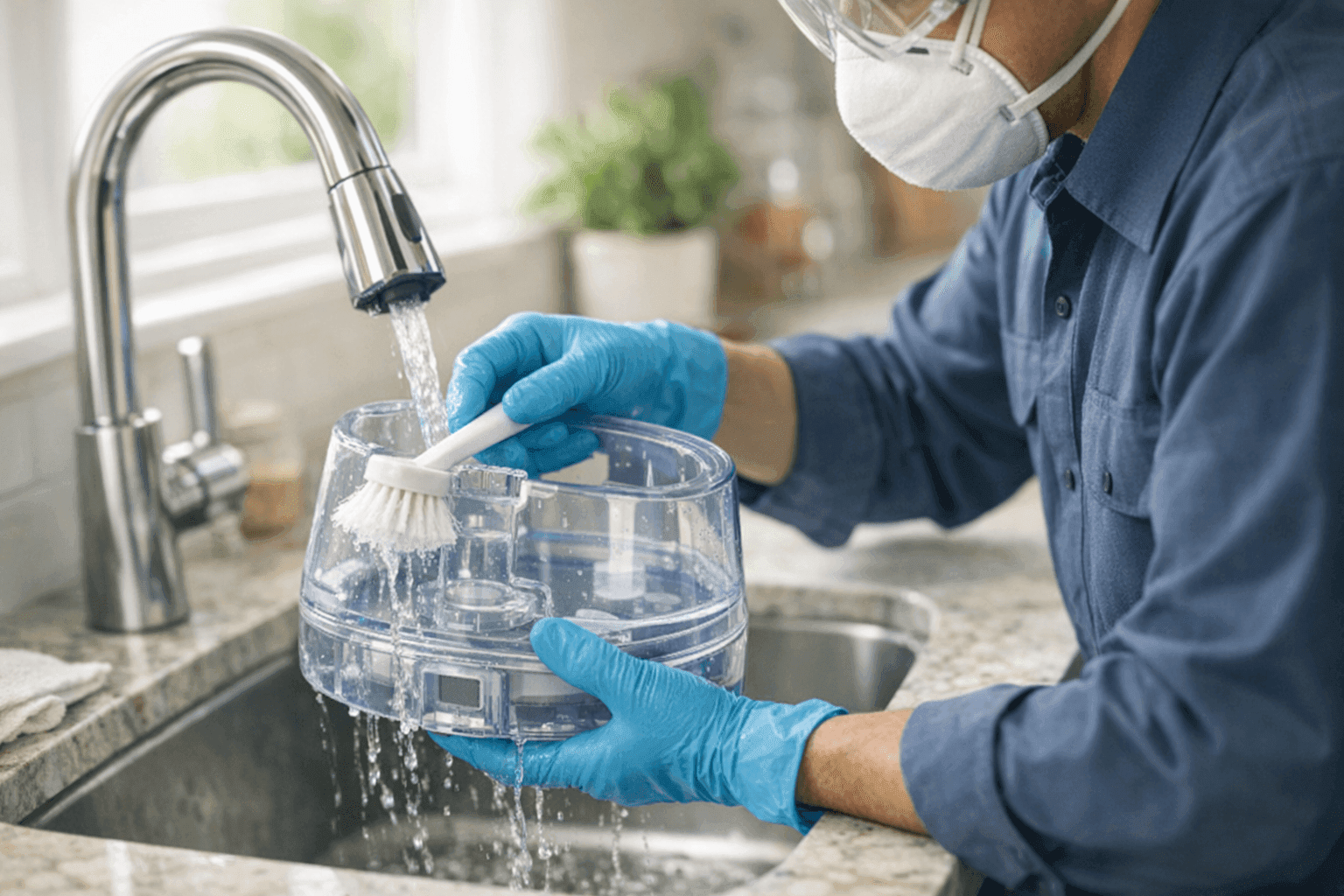
- Wear gloves: Especially if you notice any pink, green, or black residue—that’s mold or bacteria.
- Ventilate: Open a window or turn on a fan to keep fresh air moving.
Cleaning Steps for Different Types
Portable Humidifiers
- Empty the Tank: Dump out any leftover water. Don’t let water sit—it breeds germs.
- Rinse Daily: A quick rinse stops mineral buildup and slime.
- Weekly Clean: Use a 3% hydrogen peroxide solution or white vinegar. Never mix chemicals.
- Fill the tank with solution, swirl, and let sit for 15–20 minutes.
- Scrub corners with a soft brush.
- Rinse thoroughly with clean water.
- Dry Completely: Let all parts air-dry before reassembling.
Whole-House Humidifiers
- Turn off the system: Safety first.
- Check Manufacturer's Guidance: Some systems have removable trays or pads. Replace or clean as recommended.
- Descaling: Hard water? Use a descaler (citric acid or manufacturer-approved cleaner) to break up mineral deposits.
- Wipe Down: Use a damp cloth on accessible surfaces.
- Call for service: If you see leaks, heavy scale, or electrical issues, reach out to a professional.
Filter Changes and Maintenance
Filters block dust, minerals, and contaminants. Over time, they get clogged—like a coffee filter after too many brews.
- Check filters monthly (especially during heavy use).
- Replace as directed by your device manual—usually every 1–3 months.
- Use only manufacturer-approved filters. Off-brand filters may not fit or perform well.
For more on filter maintenance, check our humidifiers page.
How Often to Clean?
- Daily: Rinse and empty tanks.
- Weekly: Deep clean and descale.
- Monthly: Inspect for buildup, swap filters as needed.
Busy season? If your humidifier runs nonstop, clean more often. Always follow the manufacturer’s maintenance schedule for your model.
Signs of Mold or Bacteria
It’s not always easy to spot trouble. Keep your senses sharp:
- Musty or sour smell from the unit.
- Visible slime or discoloration inside the tank or on filters.
- Dusty or “off” mist coming from the machine.
- Family or staff sneezing more than usual.
If you notice these, pause use and clean immediately. Persistent problems may require professional attention.
The Right Cleaning Products for Safety
Not all cleaners are safe for humidifiers—or for the air you breathe.
- Hydrogen peroxide (3%): Kills germs without strong fumes.
- White vinegar: Effective and safe for descaling.
- Never use bleach unless the manufacturer says it’s okay (some plastics can degrade).
- Avoid scented or harsh chemicals that release vapors into the air.
When in doubt, stick to EPA- or manufacturer-recommended solutions.
Descaling: Fighting Hard Water Buildup
If your water leaves spots on glasses, it’s probably leaving scale in your humidifier, too.
- Use vinegar or a descaling product made for humidifiers.
- Let it soak: 30–60 minutes for stubborn buildup.
- Scrub gently: Don’t force—it can damage parts.
Regular descaling keeps your unit efficient and extends its life.
Mold Prevention: Simple but Effective
- Always empty water tanks if not in use.
- Keep humidity under 50%—high humidity encourages mold everywhere, not just in the humidifier.
- Use distilled or demineralized water to reduce mineral buildup and bacterial growth.
- Store dry: If you put the humidifier away for summer, clean and dry every part first.
Learn more about the impact of humidity and mold on Indoor Air Quality.
What Happens If You Don’t Clean?
A neglected humidifier is like a forgotten lunchbox. Mold, bacteria, and minerals multiply. Over time:
- Air quality drops. Asthma and allergy symptoms flare.
- White dust settles on furniture—mineral residue from hard water.
- The unit breaks down. Repairs cost more than cleaning.
According to the EPA, even healthy people can develop respiratory symptoms from dirty humidifiers. Don't take the risk.
When to Call a Pro
Some jobs are best left to the pros:
- Whole-house systems: If cleaning feels overwhelming, or you’re unsure where to start.
- Persistent odors or visible mold after cleaning.
- Electrical issues or leaks.
- You’re managing a commercial space that requires compliance with air quality standards.
Professional technicians use specialized tools and EPA-approved methods to restore safe operation.
Common Mistakes to Avoid 😬
- Letting water sit for days.
- Skipping filter changes.
- Using the wrong cleaners.
- Overfilling the tank.
- Forgetting to unplug before cleaning.
A little attention goes a long way.
DIY vs. Professional Cleaning
If you’re handy, most portable humidifiers are easy to maintain at home. But complex systems or signs of heavy contamination call for a certified HVAC technician. At Brama Cooling, our team handles everything from humidifiers to cooling services.
How Long Does Cleaning Take?
- Daily rinse: 2–3 minutes.
- Weekly deep clean: 20–30 minutes.
- Whole-house humidifier: 45–60 minutes (plus drying time).
Set a reminder on your calendar—your lungs will thank you.
Seasonal Tips for Humidifier Users
- Before heating season: Clean and inspect your humidifier before first use.
- During peak months: Check water levels and filters weekly.
- Spring shutdown: Clean, dry, and store your unit for next year.
Emergency Situations: When It’s Urgent
If you spot black mold, strong odors, or anyone in your home gets sick after using the humidifier, stop using the device immediately. Ventilate the area and call for help. Airborne mold can spread quickly—don’t wait.
Frequently Asked Questions
Q: Can I use tap water?
A: Distilled or demineralized water is best. Tap water causes mineral buildup and “white dust.”
Q: Can I add essential oils?
A: Most manufacturers say no—oils can damage the unit and create new air quality issues.
Q: How do I know if my humidifier is helping?
A: Monitor humidity levels (aim for 30–50%) and watch for reduced static, easier breathing, and fewer dry skin complaints.
Q: Is it safe to clean with bleach?
A: Only if the manufacturer allows it. Rinse thoroughly to prevent fumes.
For more information, review EPA guidelines on humidifier safety and your owner’s manual.
Brama Cooling: Your Partner for Healthy Air
Clean humidifiers mean safer, more comfortable spaces—at home or at work. Regular maintenance protects your investment and your health. If you’re ever unsure, Brama Cooling is here to help with humidifiers, air balancing, and all things Indoor Air Quality.
Call Brama Cooling now — or reach us anytime at 888-840-5035 .