How to Clean and Maintain Whole-House Fans for Peak Performance
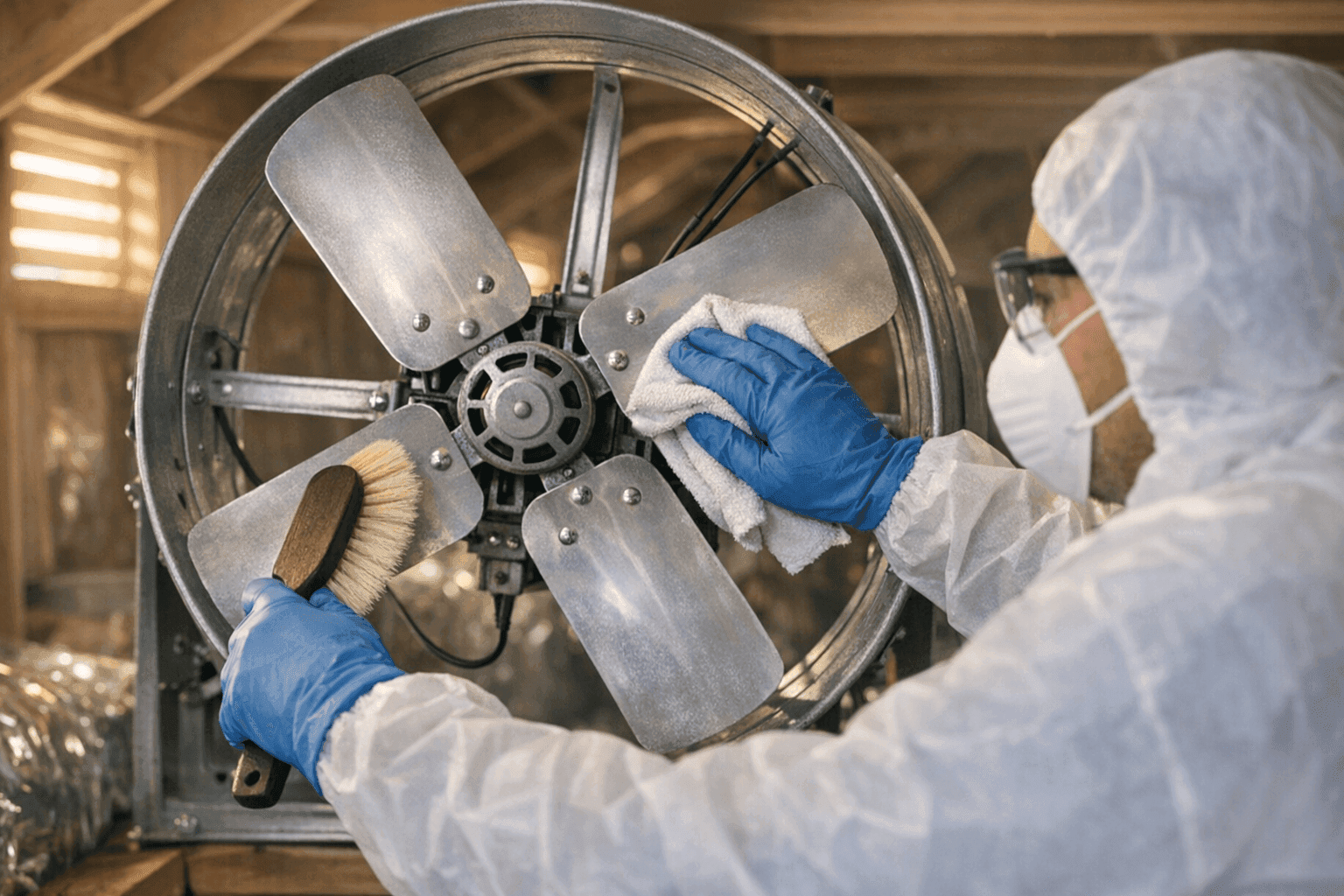
Is your whole-house fan sounding more like a freight train than a gentle breeze? Dust, debris, and neglect can be the culprits. At Brama Cooling, we know a well-kept fan means consistent cooling and lower stress—for your home and your wallet.
Ignoring maintenance can lead to noisy operation, higher bills, and even system breakdowns. Let’s break down how you can keep your fan running at its best, season after season.
Why Maintenance Is Important
Think of your whole-house fan as the lungs of your home. When dust and dirt clog up the works, your air gets stale, your fan strains, and your comfort takes a hit. Regular cleaning and inspection:
- Boosts energy efficiency
- Prevents early wear and tear
- Keeps indoor air quality high
- Lowers the risk of breakdowns
The U.S. Department of Energy recommends periodic maintenance for all ventilation systems. Following manufacturer instructions is key—these guides exist for your safety and to help your equipment last as long as possible.
Quick Safety Checklist 🛑
Before you start, remember: safety first.
- Turn off power to the fan at the breaker panel. Don’t rely on just the wall switch—fans can start unexpectedly.
- Wear a dust mask and safety goggles. Dust storms don’t belong in your lungs or eyes.
- Use a sturdy ladder if your fan is in the attic or ceiling.
- Check manufacturer instructions for your model. Some use special fasteners or have unique care needs.
- Don’t use water near electrical parts. Stick to damp—not wet—cloths.
If you spot frayed wires or strong burning smells, stop and call a professional. Electricity and fans don’t mix when things go wrong.
Signs Your Fan Needs Attention
How do you know your fan’s overdue for a tune-up? Watch for these signs:
- Extra noise or rattling
- Slow start-up or weak airflow
- Visible dust on blades or grills
- Musty smells when fan turns on
If your fan’s acting up, it’s time for a cleaning.
Cleaning Steps
Dust is the enemy of smooth, quiet cooling. Here’s how to send it packing:
1. Remove the Grill or Cover:
Most grills pop off with a screwdriver. Set hardware aside in a safe spot.
2. Vacuum Loose Dust:
Use a brush attachment to gently vacuum blades, motor housing, and interior surfaces. Go slow to avoid damaging parts.
3. Wipe Down Blades:
Dampen a microfiber cloth (not dripping wet) and wipe each blade individually. For caked-on grime, a mild soap solution works wonders.
4. Clean the Motor Housing:
Carefully wipe the outer casing. Avoid spraying cleaner directly—moisture is the motor’s enemy.
5. Reinstall the Grill:
Once dry, reattach the grill securely.
Repeat every season for best results—spring and fall are ideal times.
Lubrication and Inspection
A smooth fan is a happy fan. Most modern whole-house fans use permanently lubricated motors, but older models may need a drop or two of oil.
How to check:
- Look for oil ports on the motor (tiny caps or holes).
- If needed, use manufacturer-specified oil—usually SAE 20 non-detergent.
- Spin blades by hand (power off!) to check for smooth movement.
While you're there, inspect for:
- Loose screws or mounts
- Frayed wiring
- Bent or cracked blades
Catching small issues early keeps your fan running quietly and safely.
Dust Buildup: The Hidden Menace
Dust isn’t just unsightly—it’s a drag on performance. Even a thin layer can unbalance blades, causing noise and vibration. Over time, buildup can clog vents and force your fan to work harder, raising energy bills and shortening its lifespan.
Regular cleaning is the best defense. If you have pets or live in a dusty area, check more often.
Motor Care Tips
Your fan’s motor is its beating heart. To keep it healthy:
- Don’t overload the circuit—avoid plugging high-power tools or appliances into the same breaker.
- Watch for overheating—if the motor feels hot to the touch or emits a burning smell, shut it off and call a pro.
- Keep vents clear to avoid heat buildup.
If your fan motor is sealed, avoid poking or prodding. Respect the manufacturer’s design.
Seasonal Checks for Reliable Cooling
Each season brings its own challenges. Here’s a quick checklist:
Spring:
- Deep clean to clear winter dust
- Inspect for rodent or insect nests
Summer:
- Confirm all screws are tight
- Check for rattling during operation
Fall:
- Clean again to remove pollen and leaves
- Test operation before storing the fan (if seasonal)
Winter:
- If not in use, cover the fan with an insulated cover
- Check attic insulation to prevent drafts
A little attention now saves big headaches later.
When to Replace Parts
No fan lasts forever. Here’s when to consider new parts:
- Worn or cracked blades: These can unbalance the fan and cause vibration.
- Damaged wiring: Frays, nicks, or burns are fire hazards.
- Worn bearings: If the fan squeaks or grinds, bearings may need replacement.
Always use manufacturer-approved replacements. This ensures safety and proper fit.
When It’s Time to Call Brama Cooling
DIY maintenance is safe and effective for most cleaning jobs, but some issues call for professional attention:
- Persistent noise, even after cleaning
- Electrical problems or tripped breakers
- Motor not turning on
- Strange smells or visible smoke
At Brama Cooling, our team handles whole-house fan repairs and installations as well as ventallation solutions for both homes and businesses. If your system just isn’t right, let us take a look.
Common Mistakes to Avoid 🚩
- Using harsh chemicals: These can harm motor parts and finishes.
- Skipping seasonal checks: Small issues become big ones over time.
- Ignoring manufacturer instructions: Not all fans are designed the same way.
- Forgetting to cut power: This is a shock risk—always double-check.
A little patience and care go a long way.
DIY vs. Professional Service
Some folks love rolling up their sleeves. Others prefer peace of mind. Here’s when to call in the pros:
- If you’re unsure about electrical work
- When the fan is hard to reach or in a tight attic
- If repairs mean disassembling the motor
A professional cooling contractor brings specialized tools, knowledge, and safety training—so the job gets done right.
Timeline & Disruption
Good news: cleaning your fan usually takes less than an hour. For deep maintenance or part replacement, plan for 1–2 hours. Most work is quiet and won’t disrupt your day.
If your fan serves a commercial space, schedule work after hours to avoid downtime.
Materials You’ll Need
- Screwdriver (usually Phillips)
- Microfiber cloth
- Vacuum with brush attachment
- Mild soap solution
- Dust mask and goggles
- Manufacturer-recommended oil (for older fans)
Having these supplies handy makes the job faster and safer.
FAQ: Your Whole-House Fan Questions Answered
How often should I clean my fan?
Twice a year is ideal—spring and fall. Dusty environments may require more frequent cleaning.
Can I use compressed air to clean the fan?
Yes, but only for light dust. For sticky grime, wiping is better.
What if my fan won’t start?
Check the breaker and wall switch first. If still dead, consult a professional.
Will cleaning my fan lower my energy bills?
Yes! A clean fan moves air more efficiently, reducing run times and wear.
Prevention & Long-Term Care
Proactive care keeps surprises at bay:
- Clean and inspect regularly
- Follow all manufacturer guidance
- Replace filters and check attic ventilation
- Schedule a professional inspection every couple of years
By staying ahead of problems, you enjoy quieter, more reliable cooling with fewer headaches.
Authoritative Resources
For more on safety and system care, check out the U.S. Department of Energy’s recommendations on ventilation and air movement. For electrical safety, refer to the National Electrical Code (NEC).
If you’re unsure about any step, play it safe—call a licensed HVAC specialist.
Ready for Quieter, Cleaner Cooling?
A clean, well-maintained whole-house fan is the secret to fresh, comfortable living. Whether you’re a homeowner or run a business, Brama Cooling is here to help with everything from routine cleaning to advanced repairs.
Residents searching for trusted Ventallation specialists can learn more about our services in Decatur.
Call Brama Cooling now — or reach us anytime at 888-840-5035 .