The Cost of Generator Installation: What to Budget For
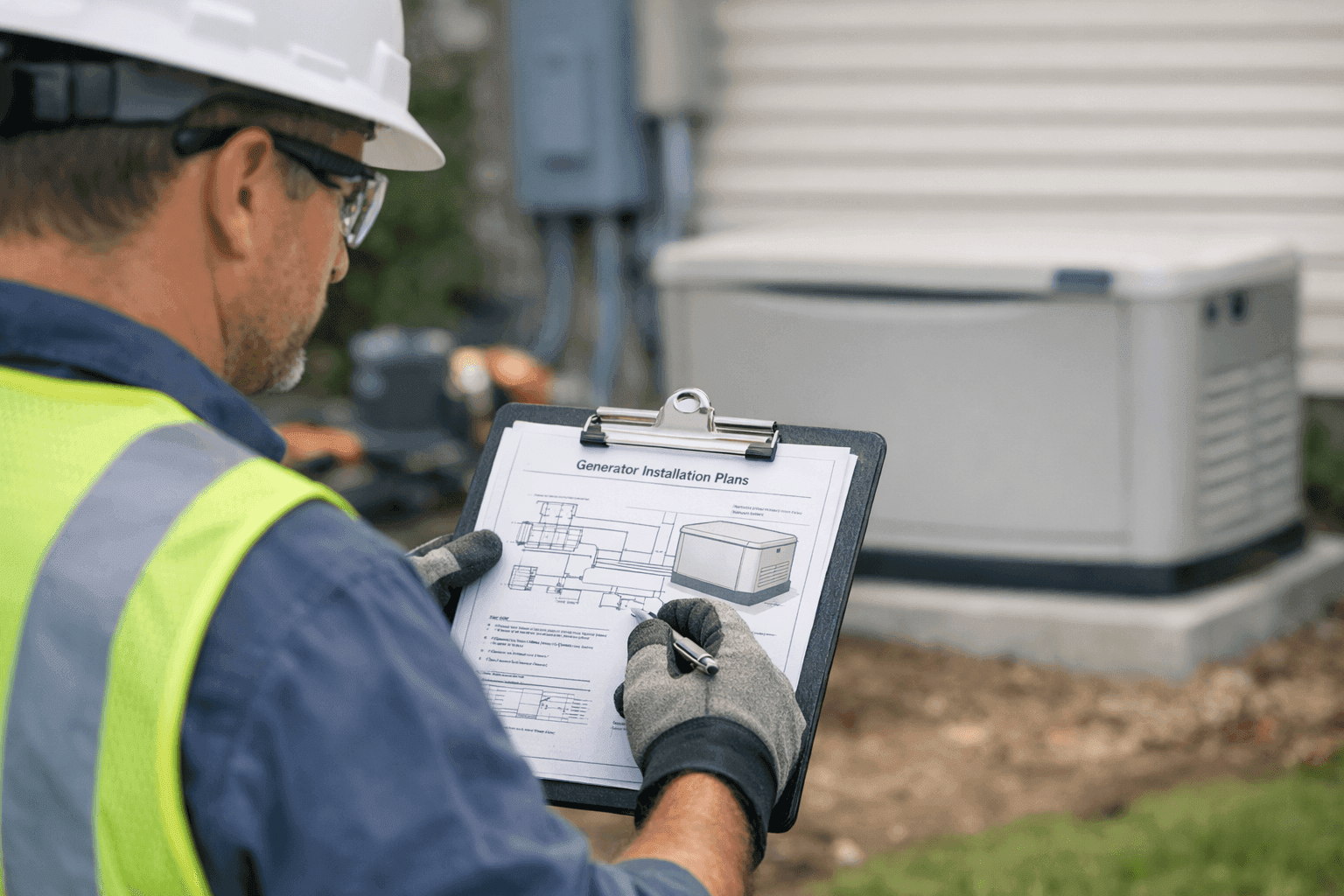
When the lights flicker out and the hum of your AC stops, panic can set in fast. Power outages don’t wait for a convenient time, and whether at home or running a business, reliable backup power is a lifeline. At Brama Cooling, we've seen firsthand how a well-planned generator installation can keep you safe, comfortable, and in control when it matters most.
But how much should you really budget for generator installation? Costs can vary like weather in spring—unpredictable, and driven by more than just the price tag on a box. Let’s break it down with clarity, so you can make a confident decision.
Factors Affecting Cost
Picture generator installation as a puzzle with many pieces. Each piece adds something to the total cost:
- Generator size and capacity: Bigger homes and businesses need larger, more powerful units.
- Fuel type: Natural gas, propane, or diesel—each has different costs and infrastructure requirements.
- Electrical upgrades: Older panels or wiring may need updates for safe operation.
- Site preparation: Sometimes it’s as simple as a concrete pad. Other times, excavation or landscaping is needed.
- Distance to fuel and electrical connections: The farther the run, the more labor and materials required.
- Local building codes: Strict rules can mean more work—and higher costs.
It’s not just about buying a generator. It’s about making it work safely and reliably under your roof.
Types of Generators
Choosing the right generator is like picking shoes—fit and function matter more than brand. Here are the main types you’ll encounter:
- Portable generators: Lower upfront cost, but limited capacity. Usually not suitable for whole homes or businesses.
- Standby generators: These power on automatically when the grid goes down. They’re pricier, but provide seamless comfort and security.
- Inverter generators: Quieter and more efficient, best for smaller loads or sensitive electronics.
- Whole-house generators: Designed to handle everything—AC, fridges, offices, and more.
Each option comes with its own pros, cons, and price points. Consider your needs carefully, and remember: what works for a small apartment won’t cut it for a large facility.
Permitting and Installation Fees 📝
Getting a generator up and running isn’t just plug-and-play. Local governments often require:
- Permits: Electrical, gas, and sometimes zoning permits must be secured before work begins.
- Inspections: City or county officials may need to sign off before you flip the switch.
- Professional installation: Licensed technicians ensure code compliance and long-term safety.
Permitting fees can range from a few hundred to over a thousand dollars, depending on your area and project complexity. Skipping this step? That’s like building a treehouse without checking if the branches can hold you.
Site Preparation: The Hidden Costs
Before your generator arrives, the site must be ready. This can include:
- Grading or leveling the ground
- Pouring a concrete pad
- Installing weatherproof enclosures
- Routing fuel and electrical lines
- Clearing landscaping or debris
Sometimes, unexpected hurdles—like underground utilities or tree roots—add time and expense. Good site prep keeps your system stable, safe, and compliant.
Sizing Your Generator: Bigger Isn’t Always Better
It’s tempting to think “more power!” But oversizing a generator is like buying a semi-truck to deliver a pizza. Under-sizing, though, leaves you in the dark. Proper sizing means:
- Calculating your real power needs (HVAC, appliances, lighting, computers)
- Factoring in starting wattages for motors and compressors
- Planning for future needs or expansions
A professional load calculation ensures you’re not overspending—or underpowered.
Code Compliance: Safety First
Every step of installation must meet the National Electrical Code (NEC), local ordinances, and often manufacturer requirements. This includes:
- Proper clearances from windows, vents, and AC units
- Correct fuel line sizing and materials
- Grounding and bonding for safety
- Weatherproofing and ventilation
Cutting corners here can void warranties and put your property at risk. That’s why Brama Cooling uses only licensed, trained technicians for every generator-installation.
Materials and Equipment: What’s Included?
Your installation may require more than just the generator itself. Typical materials include:
- Transfer switches (automatic or manual)
- Fuel line and connectors
- Weatherproof enclosures
- Wiring, breakers, and conduit
- Concrete or composite mounting pads
Quality parts cost more, but last longer and keep your system running smoothly.
Timeline & Disruption: What to Expect
Installation isn’t instant. Most residential jobs take 1–3 days, while complex commercial projects may take a week or more. Expect:
- Site survey and estimate
- Permitting and utility coordination
- Delivery and placement
- Electrical/gas work
- Inspections and testing
Brief power interruptions may happen during the switchover, but our team keeps disruption to a minimum.
Professional vs. DIY: Why Licensed Installation Matters
DIY might be tempting, but generators are not a weekend project. Mistakes can mean fire hazards, carbon monoxide risks, or voided warranties. Licensed technicians:
- Follow code and manufacturer specs
- Handle permits and inspections
- Ensure safe, reliable operation
In some areas, it’s illegal to install standby generators without proper licensing. Always check local requirements, or let Brama Cooling handle the paperwork.
Transparency in Estimates
No one likes surprise bills. Our team provides detailed, transparent quotes—line by line, so you know what you’re paying for. This includes:
- Generator unit cost
- Labor and material breakdown
- Permit and inspection fees
- Any recommended maintenance for long-term peace of mind
No guesswork. No hidden fees.
Maintenance: Planning Beyond Installation
A generator is like a car—it needs regular care to stay reliable. Plan for:
- Annual or semi-annual generator-maintenance
- Fuel system inspections
- Battery checks and replacements
- Oil and filter changes
Regular service can catch problems before they hit, keeping your backup power ready when you need it most.
Emergency Readiness: Is 24-Hour Service Available?
Outages don’t follow business hours. Brama Cooling offers 24-hour emergency service, so help is always a phone call away. Keeping your generator in top shape isn’t just about convenience—it’s about safety and peace of mind.
Quick Safety Checklist ✅
Before installation:
- Inspect your electrical system for upgrades
- Choose a safe, code-compliant location
- Check local requirements and obtain permits
- Plan for ventilation and fuel access
After installation:
- Test the system regularly
- Schedule maintenance appointments
- Keep the area clear for easy access
Stay ready, stay safe.
Seasonal Considerations
Planning ahead pays off. Install before storm season or peak outages. Schedule maintenance in spring or fall, when temperatures are mild, to avoid being caught unprepared.
Common Mistakes to Avoid
- Skipping permits or inspections
- Choosing the wrong size generator
- Ignoring routine maintenance
- Hiring unlicensed installers
- Neglecting fuel storage and safety
Avoid these pitfalls and your investment will last for years.
How to Get an Accurate Estimate
Every property is different, and a “ballpark” number from the internet won’t cut it. Here’s how to get an estimate you can trust:
- Schedule a site visit: A professional will assess your needs, location, and existing systems.
- Discuss your priorities: What do you want to power? For how long?
- Review all costs: From equipment to labor, permits to prep.
- Ask about ongoing maintenance: Protect your investment from day one.
Brama Cooling takes the time to explain every step, so you’re never left in the dark.
Frequently Asked Questions
How much does generator installation cost?
Costs range widely, from a few thousand for small systems to tens of thousands for whole-facility backup. Only a site survey can provide an accurate price.
Do I need to be home during installation?
For most of the process, yes—especially for site access and final walkthrough.
Will my HVAC or cooling be protected?
Absolutely. Properly sized generators can keep your AC and critical appliances running, even when the grid is down. If you’re looking for cooling services in East Honolulu, our team is ready to help.
Is maintenance really necessary?
Yes. Just like a car, regular care prevents failures and keeps you ready for emergencies.
Final Thoughts
Investing in a generator is about more than staying comfortable—it’s about protecting your home, business, and peace of mind. Budget wisely, ask questions, and work with a team that values safety and transparency.
Call Brama Cooling now — or reach us anytime at 888-840-5035 .