Emergency AC Repair: What to Do Before Help Arrives
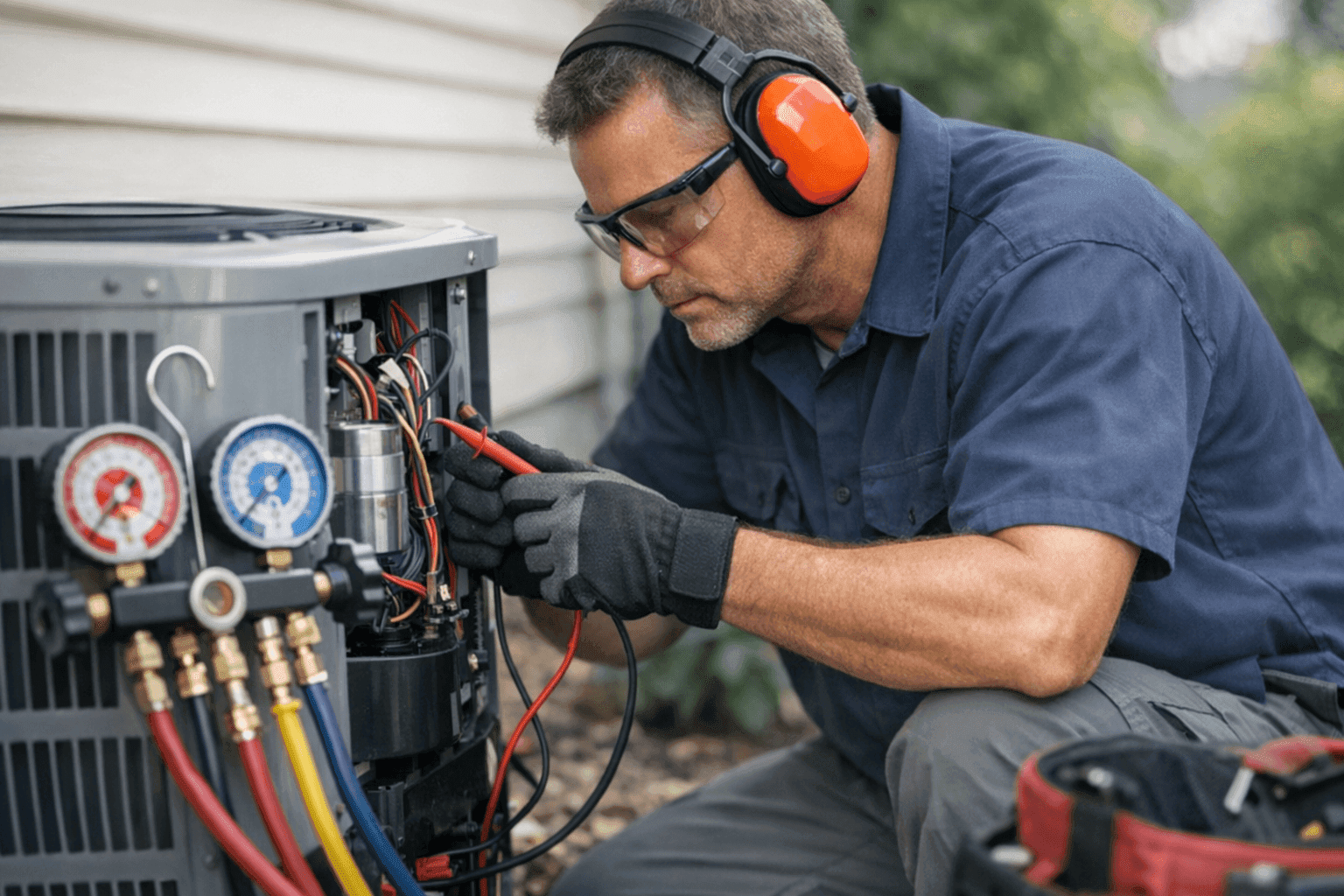
Is your AC groaning to a halt on the hottest day of the year? Or maybe the air has gone still and stifling, just when you need cooling the most. At Brama Cooling, we understand that feeling of urgency—and the need to do something now.
Whether it’s your family’s comfort or your business’s peace of mind at stake, a sudden AC breakdown can bring stress and uncertainty. Here’s what to do before a certified professional arrives, so you stay cool, safe, and in control.
What Counts as an AC Emergency? 🚨
Not every AC hiccup is an emergency, but certain situations need immediate response. Here’s when to act fast:
- No Airflow in Extreme Heat: If your system quits during a heatwave, indoor temperatures can rise quickly—posing health risks, especially for children, seniors, or pets.
- Unusual Smells or Smoke: Burning or chemical odors may signal electrical faults or overheating.
- Water Leaks or Ice: Pools of water or heavy icing can damage property and signal major system issues.
- Sparks or Strange Sounds: Loud bangs, buzzing, or visible sparks mean it’s time to shut down and call for help.
If you’re unsure, it’s always better to err on the side of caution. Brama Cooling’s 24 Hour Emergency Service is available whenever you need us.
First Safety Steps: Put Safety First
Think of your AC like the brakes on your car—when something goes wrong, your first priority is to keep everyone safe, not just to get it running again.
- Turn Off the Power: Flip the breaker for your AC system in your electrical panel. This reduces the risk of fire or shock.
- Move Valuables Away: Electronics, paperwork, and valuables should be moved if there’s water leaking or ice forming.
- Ventilate Carefully: If you smell gas or burning, open windows and leave the area. Call emergency services if you suspect fire or gas leaks.
Check guidelines from the National Fire Protection Association (NFPA) for more on electrical and fire safety.
Quick Troubleshooting Before Help Arrives
Before reaching for the phone, there are a few safe checks you can do:
- Check the Thermostat: Is it set to “Cool”? Are the batteries working?
- Inspect Air Filters: A clogged filter can choke airflow and cause shutdowns. If it’s dirty, replace or clean it.
- Breaker Box: Has the circuit tripped? Flip it off and back on—just once.
- Vents and Registers: Make sure nothing’s blocking airflow, like furniture or drapes.
If you spot ice buildup, don’t try to force it off—just turn off the system and let it melt naturally.
Temporary Cooling Solutions for Your Home or Business 🌬️
While you wait for professional AC repair, staying comfortable is key.
- Close Curtains or Blinds: Block out heat from the sun.
- Use Portable Fans: Place fans in shaded areas, or try placing a bowl of ice in front of the fan for a quick DIY chill.
- Open Windows (If Cooler Outside): Let in evening air, but only if outdoor conditions are safe and comfortable.
- Hydrate: Drink water regularly to help your body handle the heat.
For businesses, consider moving sensitive equipment or perishable goods to cooler areas.
When to Call for Help: Don’t Wait
If basic troubleshooting doesn’t solve the issue—or if you see, smell, or hear anything alarming—call in a certified professional immediately. Brama Cooling handles emergencies for both residential and commercial clients, all day and night.
Our technicians are trained to handle hazardous situations safely and efficiently. Don’t risk DIY fixes on electrical or refrigerant lines.
What to Expect When the Pros Arrive
When you call Brama Cooling’s emergency team, here’s what happens next:
- Rapid Response: Our dispatcher confirms your location and gathers key details.
- Safety Check: Upon arrival, we assess for hazards like electrical shorts or water damage.
- Diagnostics: Using specialized tools, we pinpoint the root cause—whether it’s a failed part, wiring issue, or airflow problem.
- Clear Communication: We’ll explain your options and next steps before any repairs begin.
We follow local building codes and EPA guidelines for refrigerants and safety on every call.
DIY vs. Calling a Professional
It’s tempting to tinker, but modern AC systems are complex. Like a watch with a thousand tiny gears, one wrong move can make things worse.
- DIY: Change filters, check the thermostat, clear minor debris.
- Leave to Pros: Anything involving wiring, refrigerant, or motor parts.
If your system is still under warranty, DIY repairs may void coverage.
Common Mistakes to Avoid
- Resetting the Breaker Repeatedly: Can cause further electrical damage.
- Ignoring Strange Noises: Squealing or banging often signals failing parts.
- Letting Water Pool: Can damage floors and walls fast.
- Covering or Blocking Vents: Reduces efficiency and can lead to overheating.
Signs It’s Time for Emergency AC Repair
- Rapid Temperature Rise: Indoor temps climbing despite the system running.
- Unresponsive Controls: Thermostat or remote doesn’t change settings.
- Ice, Water, or Burning Smell: All reasons to shut down and seek help.
How Long Will Repairs Take?
Most emergency AC repairs are handled in a single visit—especially if you call right away. Some parts may need ordering, but Brama Cooling stocks common items for faster service.
Expect an initial safety check, diagnosis, and a clear repair plan from our team.
Prevention: Reduce the Chances of Another Emergency
Regular maintenance is like oil for your car—skip it, and breakdowns are more likely. Schedule:
- Seasonal AC Maintenance
- Duct Cleaning
- Thermostats near you for accurate temperature control
- Home Energy Audits to spot trouble before it starts
Check our AC Repair and HVAC Maintenance services for ongoing care.
AC Emergencies: Residential vs. Commercial
Both homes and businesses rely on cooling, but the stakes can be higher for commercial clients—server rooms, retail spaces, and offices can’t afford downtime. Brama Cooling serves both with equal urgency.
Costs and Time Factors
Emergency calls can cost more due to after-hours labor and immediate response needs. We’ll always explain costs up front—no surprises.
Maintenance and minor repairs are usually less expensive than waiting for a full-blown emergency.
Timeline: How Disruptive Is an Emergency Call?
We work quickly to minimize disruption. For most homes and small businesses, repairs take a few hours. Larger or more complex commercial systems may require more time or follow-up visits.
Frequently Asked Questions
Will my AC be fixed on the first visit?
Many repairs are handled same-day, but if a major part is needed, we’ll give you a clear timeline.
Is it safe to use portable AC units or fans?
Yes, but avoid overloading electrical outlets.
Should I try to add refrigerant myself?
Never—EPA regulations require licensed technicians for refrigerant handling.
Seasonal Considerations: Summer, Winter, and Storms
Emergencies spike during heatwaves and after severe storms. If you know rough weather is coming, check your AC for signs of trouble ahead of time.
Storms can cause power surges—if you lose cooling after a lightning strike, check your breaker and call for help if needed.
Materials and Equipment You’ll Need
To be ready for an AC emergency:
- Flashlight
- Clean air filters
- Batteries for thermostat
- Towels for leaks
- Portable fans
Keep our number handy for fast action.
Local Help When You Need It
AC emergencies rarely happen at convenient times. Brama Cooling is proud to support homes and businesses with prompt, professional cooling solutions around the clock. If you’re searching for cooling specialists in Bentonville, we’re here to help—day or night.
Call Brama Cooling now — or reach us anytime at 888-840-5035 .