How Generator Installation Works: Step-by-Step Guide
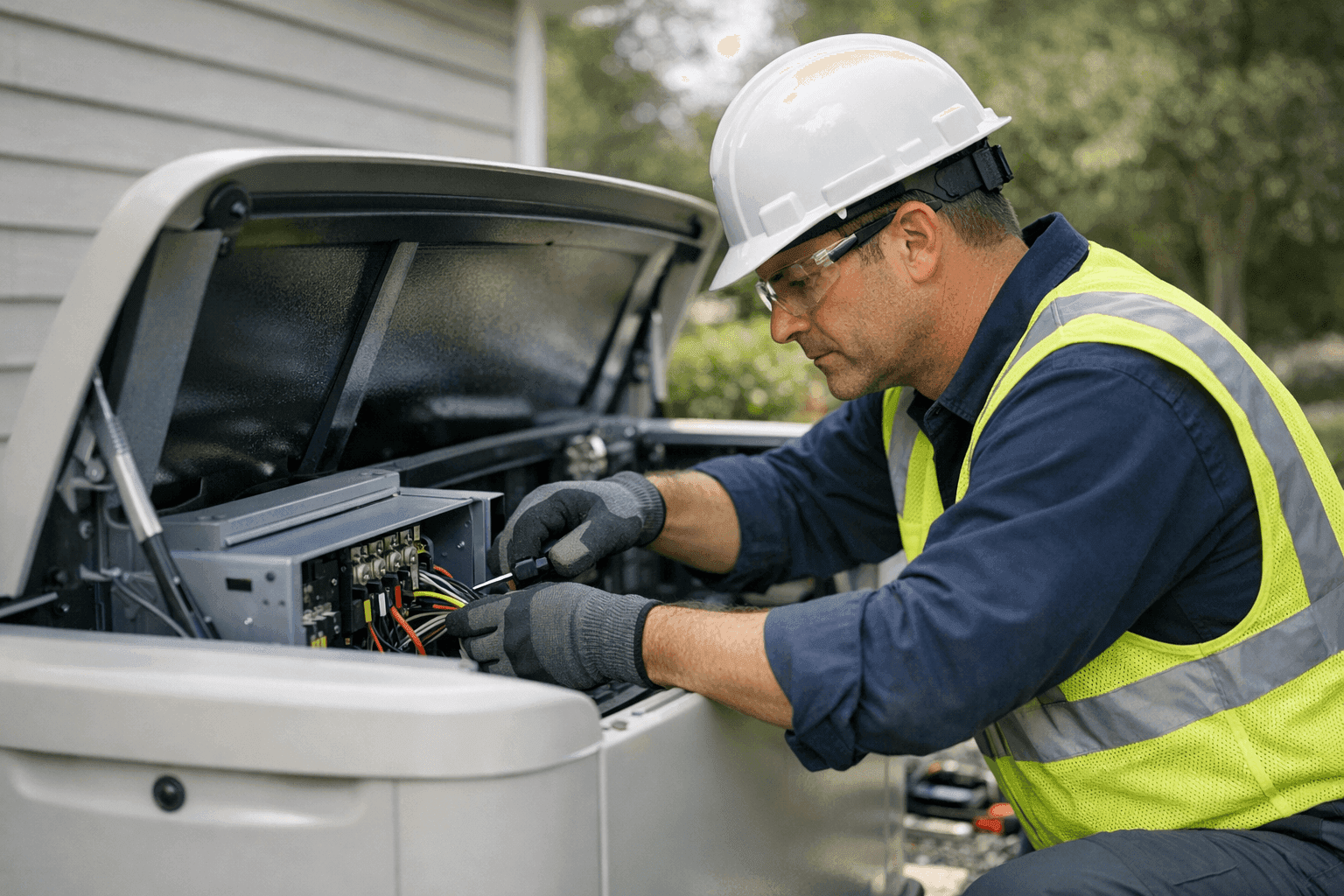
Unexpected power outages can leave homes and businesses in the dark—and sometimes in the heat. That’s why a reliable standby generator, installed right, is the unsung hero behind comfort and safety.
At Brama Cooling, we know that a smooth generator installation isn’t just about plugging in a box. It’s about careful planning, professional know-how, and making sure your power is there when you need it most. Here’s how we break down the process, step by step.
Generator Installation Steps 🛠️
Installing a generator isn’t a guessing game. It’s a series of precise steps—each one critical to making sure your system is safe, efficient, and ready for action.
1. Site Assessment: The Foundation
Before anything is ordered or installed, a certified technician visits your property. Like mapping out where to pitch a tent before setting up camp, this is all about finding the right spot. We look for:
- Safe distance from doors, windows, and vents (per National Fire Protection Association guidelines)
- Stable ground to support the generator’s weight
- Clear access for maintenance and repairs
2. Sizing the Generator
One size never fits all. Choosing the right generator is like picking the right-sized shoes—too small and you’re left unprotected; too big and you overpay. Our team calculates your needs by:
- Reviewing your must-have appliances and HVAC systems
- Considering both initial surge and running wattages
- Factoring in future expansion
We’ll walk you through generator options, from essential circuits to whole-building coverage.
3. Permits and Paperwork
No one wants a headache with local authorities. That’s why professional installers handle all the required permits and code compliance. We work with local inspectors to make sure every step meets city, county, and state requirements. (See the National Electrical Code for more on legal standards.)
4. Prepping the Pad
A generator needs a solid, level base—imagine parking a car on a slope versus a driveway. We pour a concrete pad or set a prefabricated base that keeps your generator dry, stable, and above potential flood levels.
5. Electrical and Fuel Connections
Wiring a generator isn’t a DIY project. Our licensed electricians:
- Install a transfer switch to safely route power
- Connect wiring to your electrical panel
- Tie in fuel sources (natural gas or propane) with leak checks
Every step is double-checked for safety and up to code.
6. System Testing
Once the generator is in place, we don’t just flip a switch and leave. We run a full test cycle, simulating an outage to make sure:
- The transfer switch works flawlessly
- Power is restored smoothly to selected circuits
- No alarms or error codes appear
7. Safety Checks & Inspection
A final inspection ensures that everything is up to snuff. We review:
- Proper clearances and ventilation
- Secure wiring and fuel lines
- System labeling for first responders
Once signed off, your generator is ready for action.
Choosing the Right Generator
Not all generators are created equal. Here’s how we help residential and commercial customers choose wisely:
- Homeowners: Focus on essentials—HVAC, refrigerators, lighting, and security.
- Businesses: Consider critical operations, loss prevention, and customer safety.
- Fuel type: Natural gas is convenient if available; propane is common in rural areas.
- Noise: Some generators are quieter than a gentle rain. Others, not so much.
Don’t forget: Proper sizing means safer operation and lower long-term costs. Check out our generator-installation page for more details.
Safety & Code Compliance ⚡
Safety isn’t just a box to tick—it's the backbone of every installation. All generator work must meet:
- National Electrical Code (NEC)
- Local fire and zoning regulations
- Manufacturer installation instructions
That means no shortcuts. Our technicians are certified, insured, and trained on the latest standards, so your installation stands the test of time.
What to Expect on Install Day
The big day starts early. Here’s how it usually goes:
- Arrival & Walkthrough: We confirm placement, answer questions, and prep the work area.
- Pad & Delivery: Base is set, and the generator is craned or rolled into position.
- Wiring & Fuel Hookup: Licensed pros make all connections, testing for leaks and voltage.
- System Test: Simulated outage tests and customer walk-through.
- Cleanup: The site looks as tidy as when we arrived.
Plan for a few hours to a full day, depending on complexity.
Quick Safety Checklist
- Keep the area clear—kids and pets should stay inside.
- Make sure your electrical panel is accessible.
- If you have pets, let us know so we can work safely.
DIY vs. Call a Pro
Watching a few online videos won’t prepare you for the real thing. Certified installation protects your investment, keeps your warranty intact, and ensures your household or business is safe.
Certified Installation and Warranty
Most major generator brands require professional installation to honor their warranties. That’s why Brama Cooling’s team is factory-trained and up-to-date on the latest models.
Common Mistakes to Avoid
- Installing too close to the house (ventilation risk)
- Skipping the permit process
- Underestimating power needs
- Forgetting routine generator-maintenance
Timeline & Disruption
Installing a generator isn’t as disruptive as a major remodel, but expect:
- Some noise (drilling, testing)
- Brief power interruption during final hookup
- Equipment deliveries (concrete mixer, crane)
We’ll give you a heads-up about what to expect so you can plan accordingly.
Prevention & Maintenance
Installation is step one. Like changing oil in a car, routine maintenance keeps your generator reliable. We recommend:
- Annual inspections
- Regular oil and filter changes
- Running the system monthly
Ask about our maintenance plans to keep things humming.
Costs & Time Factors
Costs vary based on generator size, fuel type, and complexity. Site conditions matter, too. We provide an upfront estimate so there are no surprises.
When It’s an Emergency
If it’s urgent—like a medical need for backup power—let us know. We offer 24-hour emergency service to get you up and running fast.
FAQ: Your Generator Questions Answered
- How long does installation take? Usually 4–8 hours for most homes, longer for bigger projects.
- Do I need to be home? Yes, for walkthrough and final testing. We’ll work with your schedule.
- Will it run my AC? If sized correctly, yes. We make sure your cooling and other must-haves are covered.
Seasonal Considerations
Spring and fall are ideal for installation—before summer storms or winter outages hit. Schedule early to beat the rush.
Signs of Trouble
Once installed, watch for:
- Unusual noises
- Warning lights
- Missed self-tests
Call us if something feels off.
Materials & Equipment
We use only code-approved wiring, UL-listed transfer switches, and brand-name generators. No off-brand shortcuts.
Ready for Reliable Power?
A professionally installed generator means you’re never left in the dark—or the heat. Whether you’re looking for Thermostats near you, cooling solutions, or backup power, Brama Cooling is here to help. For those looking for cooling services in the region, our cooling company in Olive Branch is always ready to assist.
Call Brama Cooling now — or reach us anytime at 888-840-5035 .