How Ventilation Impacts Your Health and Comfort
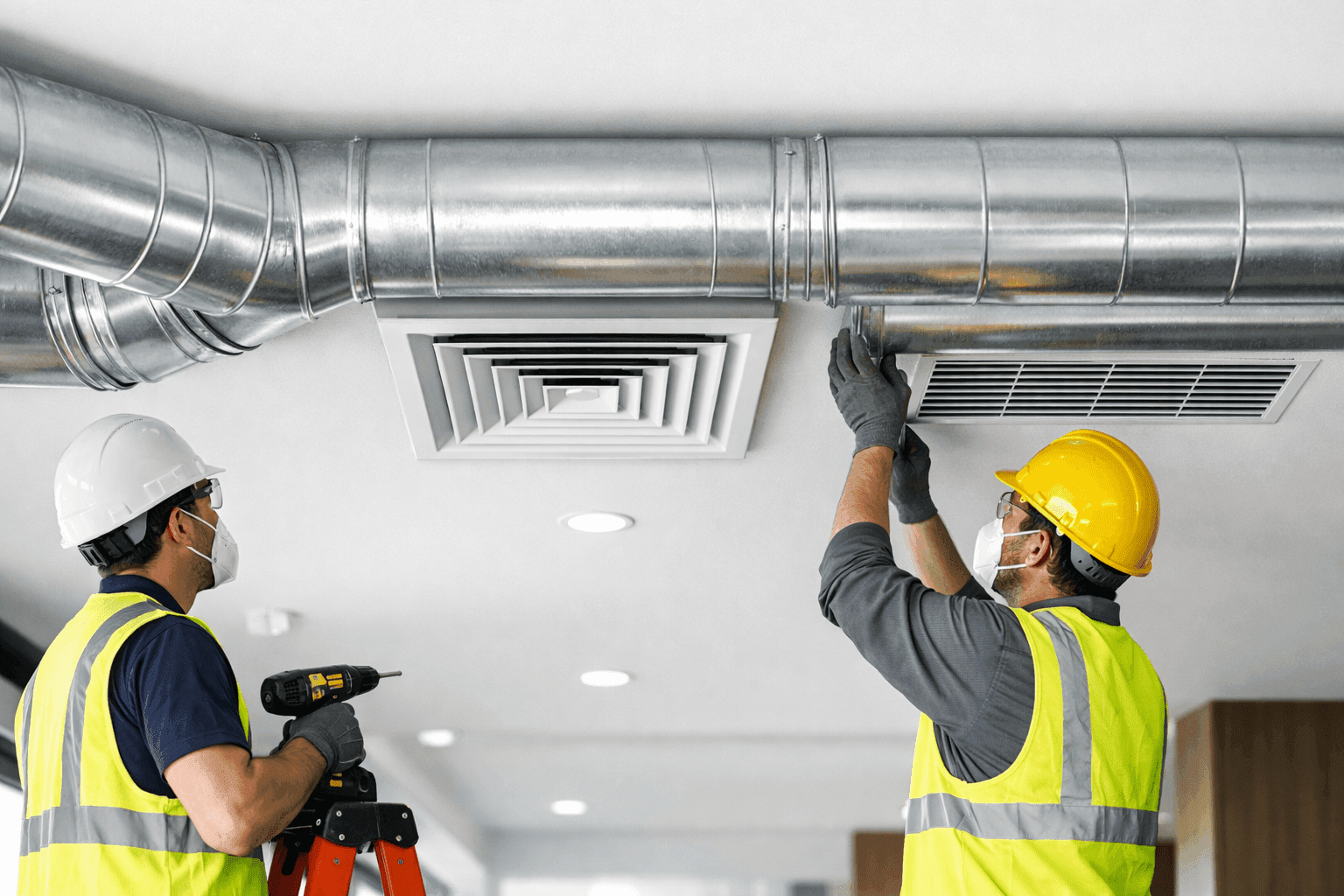
Imagine your home or office as a living, breathing space. Air moves in, air moves out. When that flow slows down—or stops—problems creep in. Stale air, stuffy rooms, headaches. It’s not just uncomfortable. It can put your health at risk.
At Brama Cooling, we know that proper ventilation is the invisible backbone of comfort and safety. We’ve seen the difference it makes on the job—every day, for families and businesses alike. Let’s break down why ventilation matters, how to spot problems, and what real pros do to keep the air you breathe fresh and safe.
Why Ventilation Matters 🌀
Ventilation is more than just opening a window. It’s the process of moving stale, polluted, or humid air out—and bringing fresh, filtered air in.
Think of it as your building’s lungs. Without good airflow, indoor air gets loaded with:
- Dust and pollen
- Chemical fumes (from paint, cleaners, or office equipment)
- Moisture (which leads to mold)
- Odors (from cooking, pets, or workspaces)
- Viruses and bacteria
According to the Environmental Protection Agency (EPA), indoor air can be up to five times more polluted than outdoor air. Poor ventilation lets all those pollutants build up. The result? More allergies, headaches, asthma, and fatigue. For businesses, that can mean more sick days and lower productivity.
Types of Ventilation Systems
Not all ventilation is created equal. Here’s a quick rundown of what you might find in homes and commercial spaces:
- Natural Ventilation: Open windows and doors, letting outdoor air flow in. Simple, but hard to control.
- Mechanical Ventilation: Fans, ducts, and vents that move air on purpose. Think bathroom exhaust fans, kitchen range hoods, or sophisticated whole-building systems.
- Spot Ventilation: Localized solutions—for example, vent fans in bathrooms or above stoves—to tackle moisture and odors at the source.
- Balanced Ventilation: Systems that bring in and exhaust air evenly, usually with heat or energy recovery. These are required by many building codes for new construction and major renovations.
Each approach has its place. The right system depends on your building’s age, size, and needs.
Signs of Poor Ventilation
Is your air letting you down? Watch for these warning signs:
- Persistent musty or stale odors
- Condensation on windows or walls
- Mold growth, especially in corners or around vents
- People complaining of headaches, dry eyes, or allergies
- High humidity, sticky air, or stuffiness
- Dust buildup around vents or registers
If you notice any of these, it’s time to take a closer look. Left unchecked, these issues can damage your property and your health.
Quick Safety Checklist for Home & Office
Take five minutes and ask yourself:
- Are exhaust fans in kitchens and bathrooms working and vented outside?
- Do you change HVAC or air scrubber filters regularly?
- Is there visible mold or moisture anywhere?
- Are vents and registers clear—not blocked by furniture or dust?
- Does your space ever feel humid, especially after showers or cooking?
A “yes” to any of these questions points to a ventilation problem. Addressing it now prevents bigger issues later.
DIY vs. Call a Pro
Some fixes are simple. Open a window on a breezy day. Clean fan covers and replace filters. But for anything bigger—like persistent odors, mold, or humidity problems—it’s wise to call certified pros.
Certified HVAC technicians, like the team at Brama Cooling, are trained to spot hidden issues. We use specialized tools to test airflow, measure humidity, and inspect ductwork. Our work always follows the International Mechanical Code (IMC) and ASHRAE standards for safety and health.
How Pros Improve Airflow
When our team arrives, here’s what we do:
- Assessment: We measure airflow, check duct sizes, and look for blockages.
- Testing: We use airflow meters and IAQ testing tools to pinpoint problems.
- Design: We recommend solutions tailored to your building—like adding balanced ventilation, upgrading fans, or sealing duct leaks.
- Installation: Everything is done to code, ensuring your system is safe and efficient.
- Follow-Up: We show you how to maintain your new or improved system for lasting comfort.
Professional design matters. Poorly designed systems waste energy and leave your indoor air in worse shape. Always look for certified, licensed specialists.
Ventilation and Indoor Air Quality
Ventilation is the first line of defense for Indoor Air Quality. It works hand in hand with:
- Air scrubbers and purifiers
- Whole-house fans
- Dehumidifiers and humidifiers
- High-quality air filters
By moving fresh air in and pushing pollutants out, you reduce everything from allergens to viruses in the air. For sensitive groups—kids, seniors, or anyone with breathing problems—this is critical.
Seasonal Considerations
Ventilation needs shift with the seasons:
- Summer: Humidity rises. Moisture control matters. Mechanical ventilation and dehumidifiers keep things comfortable.
- Winter: Homes are sealed tight, trapping stale air. Heat recovery ventilators (HRVs) can bring in fresh air without losing warmth.
- Spring/Fall: Pollen and allergens peak. Use filters and keep windows closed on high-pollen days.
A home energy audit can reveal seasonal ventilation gaps. Ask about this service if you notice changing symptoms throughout the year.
Common Mistakes to Avoid
- Blocking vents with furniture or drapes
- Forgetting to clean or change filters
- Using bathroom fans that vent into attics instead of outside
- Ignoring exhaust fans in kitchens, especially with gas appliances
- Skipping regular HVAC maintenance
These missteps may seem small, but over time, they add up to big problems.
When It’s an Emergency
Some ventilation issues can’t wait. If you notice:
- Sudden, strong chemical smells
- Mold spreading quickly
- Water leaks from vents
- People feeling dizzy, nauseous, or faint
Leave the space and call a professional right away. These are signs of dangerous conditions like carbon monoxide or toxic mold.
FAQ: Fast Answers to Common Ventilation Questions
Q: Is opening a window enough?
A: Sometimes, but it’s unreliable—especially in bad weather or high-pollen seasons.
Q: How often should I change my HVAC filter?
A: Every 1-3 months, depending on the filter type and if you have pets or allergies.
Q: Can poor ventilation increase energy bills?
A: Yes. Blocked or leaking ducts force your cooling system to work harder, using more energy.
Q: Are there building codes for ventilation?
A: Yes. Local and national codes (like IMC and ASHRAE 62.1/62.2) require specific airflow rates, especially for new builds and renovations.
Prevention & Maintenance Tips
- Schedule regular ventallation inspections and maintenance.
- Keep all vents, returns, and exhaust fans clear and clean.
- Check for visible mold, condensation, and dust regularly.
- Invest in IAQ testing every couple of years—especially in older buildings.
- Ask about programmable thermostats near you to help control humidity and airflow automatically.
Materials & Equipment Pros Use
Certified technicians rely on:
- Anemometers (to measure airflow)
- Humidity meters
- Duct cameras (to check for blockages)
- High-efficiency filters (MERV 8+)
- Sealed, insulated ductwork
Brama Cooling uses only code-compliant, manufacturer-approved parts for safety and performance.
Timeline & Disruption
Most ventilation upgrades or repairs take just a few hours to a day. Larger projects—like installing whole-house fans or balanced systems—may take longer, but we always explain what to expect. Our teams work cleanly and respect your schedule.
Costs & Time Factors
The price varies: simple fixes like filter changes are quick and affordable. Larger upgrades—like HRV systems or duct sealing—are an investment but pay off with better comfort, lower energy bills, and a healthier space.
Why Certified Design Matters
It might be tempting to DIY or hire an unlicensed contractor. But poor design or installation can lead to code violations, wasted money, and even health risks. Certified pros ensure your system meets all local codes and standards—protecting your investment and your well-being.
Your Next Steps: Breathe Easier with Brama Cooling
Good ventilation is the difference between a place that just looks clean—and one that actually feels fresh, healthy, and comfortable. Whether you’re worried about that musty smell, need a new system, or just want peace of mind, Brama Cooling is here to help.
If you’re in the area and searching for reliable cooling specialists, learn more about our services for cooling and beyond.
Call Brama Cooling now — or reach us anytime at 888-840-5035 .