The Impact of Poor Ventilation on Indoor Air Quality
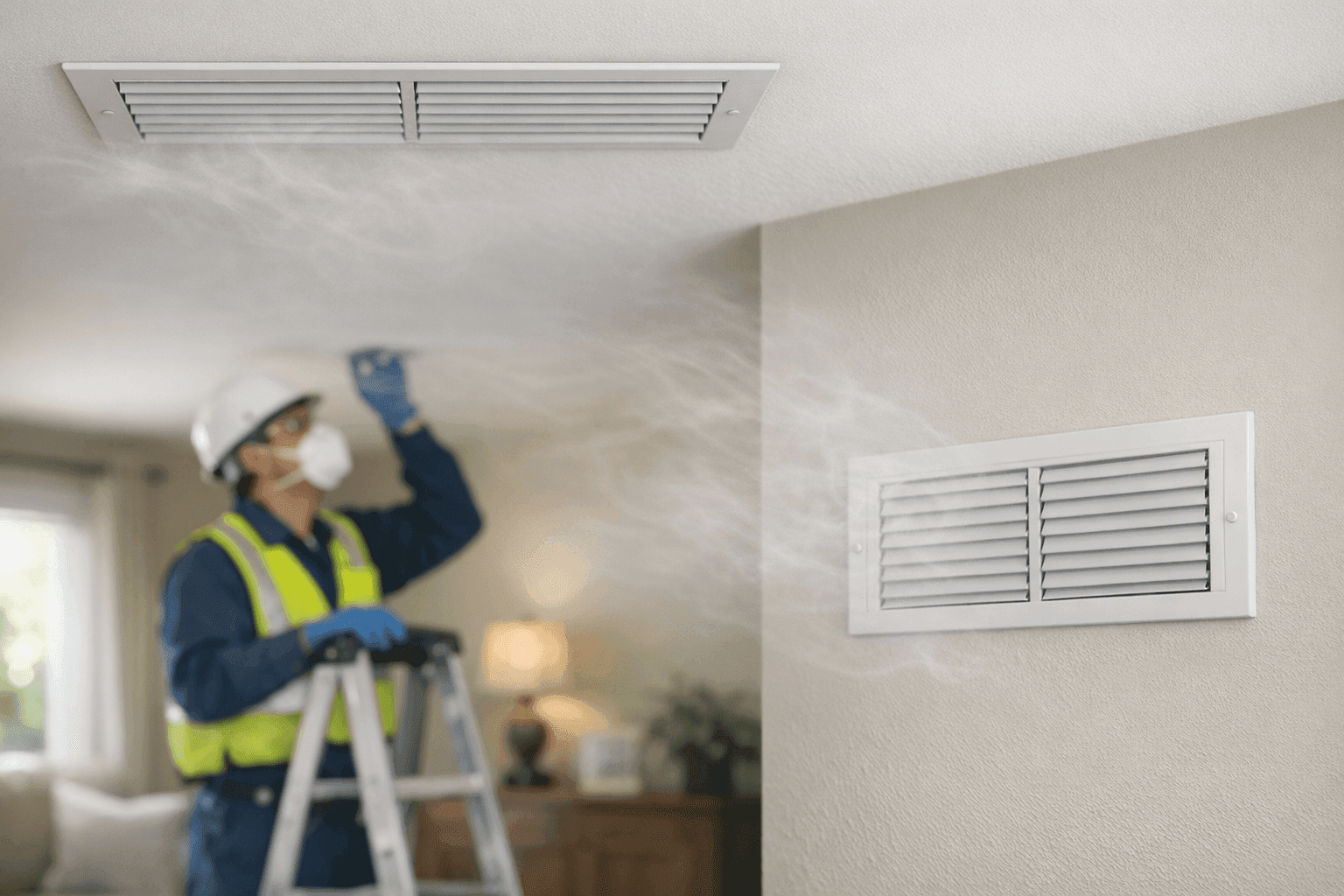
Indoor air can be a silent villain. You might not see the problem, but you sure can feel it—a heavy, sticky room, windows fogged up, lingering smells that never quite fade. At Brama Cooling, we know the stakes: poor ventilation doesn’t just make you uncomfortable; it puts your health, productivity, and even your property at risk.
If you’ve ever wondered why the air in your home or business feels off—or why allergies seem worse indoors than out—read on. Here’s why airflow matters, what’s at stake, and what you can do about it.
Why Ventilation Matters 🌬️
Ventilation is like your building’s set of lungs. It brings in fresh oxygen and lets stale, polluted air escape. Without it, indoor environments trap moisture, odors, and invisible chemicals. According to the Environmental Protection Agency (EPA) and the Centers for Disease Control and Prevention (CDC), insufficient ventilation is a leading cause of poor indoor air quality (IAQ), which can have real health impacts.
Good ventilation helps:
- Control humidity, keeping mold and dust mites at bay.
- Remove airborne contaminants from cleaning products, building materials, and even cooking.
- Replace stuffy, stale air with crisp, clean air that feels better and is healthier to breathe.
Signs of Poor Ventilation
Think of your space as a sealed jar. Without enough fresh air, things get musty. Here’s how to spot trouble:
- Persistent Odors: Smells from cooking, pets, or cleaning linger long after the source is gone.
- Condensation: Water droplets on windows or walls, especially in bathrooms or kitchens.
- Visible Mold: Black or green spots in corners or on ceilings.
- Excessive Dust: Even after cleaning, dust quickly returns.
- Stale Air: The atmosphere feels heavy or “thick.”
- Frequent Allergies or Respiratory Issues: Sneezing, coughing, or irritated eyes indoors.
Small clues, big consequences. If any of these sound familiar, it’s time to act.
IAQ Impact: When Air Gets Trapped
Indoor Air Quality (IAQ) isn’t just a buzzword—it’s about health, comfort, and safety. Poor ventilation lets pollutants build up, including:
- Volatile Organic Compounds (VOCs): Released by paints, furniture, and cleaning agents.
- Particulates: Like dust, pollen, and pet dander.
- Biological Contaminants: Mold spores, bacteria, and viruses.
- Carbon Dioxide: From breathing, which can make you feel sluggish in high concentrations.
The World Health Organization (WHO) highlights that poor IAQ is linked to headaches, fatigue, asthma, and even long-term heart and lung issues. This is especially concerning for children, seniors, and anyone with respiratory problems.
Humidity: The Hidden Troublemaker
Humidity is sneaky. When it’s too high, mold grows like weeds after rain. When it’s too low, the air turns dry as a bone, making skin itch and eyes burn. The American Society of Heating, Refrigerating and Air-Conditioning Engineers (ASHRAE) recommends keeping indoor humidity between 30% and 50%.
Signs your humidity is off:
- Walls feel damp or sticky.
- Static shocks happen a lot.
- Wood furniture or floors warp.
- Paint peels or blisters.
Balancing humidity isn’t just for comfort—it’s critical for your building’s health and your own.
Odors: Not Just Annoying
Odors are the canary in your coal mine. That gym-sock smell in the basement? It means something’s off—maybe mold, maybe stagnant air. Cooking smells that linger for days, or musty air after a rainstorm, are signs your ventilation isn’t clearing the air as it should.
Air scrubbers, proper exhaust fans, and regular filter changes can help, but without core ventallation improvements, you’re just masking the symptoms.
Pollutant Buildup: The Invisible Threat
Imagine every breath carrying a mix of unseen particles. Over time, those accumulate—on surfaces, in your HVAC system, and in your lungs. Dust, VOCs, and even viruses can hang in stagnant air.
Routine indoor air quality testing can reveal hidden dangers. The EPA recommends checking and cleaning ducts, as well as upgrading to HEPA or high-MERV filters when possible.
Quick Safety Checklist
Worried your air isn’t up to par? Here’s a simple checklist:
- Open windows regularly, weather permitting.
- Run bathroom and kitchen exhaust fans during and after use.
- Replace HVAC filters every 1–3 months.
- Schedule annual HVAC and duct maintenance.
- Use dehumidifiers or humidifiers as needed.
- Test for radon and carbon monoxide.
If you’re unsure, a professional assessment can pinpoint exactly where airflow is falling short.
DIY vs. Call a Pro
Some fixes are simple. Open a window, add a fan, or swap out a filter. But if the problem persists—like moisture damage, persistent odors, or mysterious health symptoms—it’s time to call in help.
Brama Cooling’s technicians use diagnostic tools to measure airflow, humidity, and pollutant levels. We check for blocked vents, leaky ducts, and malfunctioning fans—then recommend the right fix for your home or business.
What Pros Do on Arrival
When you call in a cooling specialist, here’s what you can expect:
- Inspection of air intakes and exhaust points.
- Measurement of air exchange rates and humidity.
- Testing for carbon monoxide, VOCs, and particulates.
- Evaluation of HVAC and ventilation equipment.
- A clear breakdown of issues and step-by-step solutions.
Our goal? Restore comfort, safety, and peace of mind.
Prevention & Maintenance
Think of your ventilation system like a car. Regular tune-ups keep it humming. Here’s how to stay ahead:
- Clean and service fans, ducts, and filters regularly.
- Check doors and windows for drafts or blockages.
- Invest in programmable thermostats and air quality monitors.
- Schedule seasonal maintenance—especially before heating or cooling seasons kick in.
Proactive care means fewer surprises and healthier air year-round.
Costs & Time Factors
Ventilation fixes range from quick wins to bigger projects. Replacing a clogged filter? A few dollars and minutes. Installing a whole-house fan or upgrading an HVAC system? More investment, but with lasting rewards.
Poor ventilation can lead to higher energy bills, property damage, and even medical costs. It pays to fix problems early.
When It’s an Emergency
Some air issues can’t wait:
- Sudden, unexplained illness.
- Strong chemical or gas smells.
- Visible mold spreading rapidly.
- AC or ventilation system failure during extreme weather.
If you experience any of these, act fast—open windows, exit the building if needed, and contact emergency services or a professional right away.
FAQ: Your Ventilation Questions Answered
How often should I replace my HVAC filter?
Typically every 1–3 months, depending on system use and local air quality.
Can plants improve indoor air quality?
Yes, but they’re not a substitute for proper airflow and ventilation.
What’s the best way to control humidity?
Use dehumidifiers in damp areas, and ensure bathrooms and kitchens are well-ventilated.
Seasonal Considerations
Winter means closed windows and less natural airflow. Summer can bring excess humidity. Adjust your approach each season:
- In winter, use heat recovery ventilators (HRVs) for fresh air without losing heat.
- In summer, run exhaust fans and monitor humidity closely.
- Schedule HVAC check-ups before big temperature swings.
Common Mistakes
- Blocking vents with furniture or rugs.
- Forgetting regular filter changes.
- Ignoring minor leaks or drafts.
- Using the wrong size or type of air filter.
Small missteps can snowball into big issues. Stay on top of the basics.
Signs of Trouble: When to Take Action
Don’t ignore your senses. If air feels heavy, odors linger, or you notice more coughing and sneezing, listen to your gut. Action now can prevent headaches—literally and figuratively—down the road.
Timeline & Disruption: What to Expect
Most ventilation fixes are minimally disruptive. Filter swaps and fan checks take minutes. Duct cleaning or major upgrades may take a day or two but can be scheduled to minimize hassle for homes and businesses alike.
Materials & Equipment: What Makes a Difference
Quality matters. High-efficiency filters, well-maintained fans, and monitored thermostats all contribute to a healthier space. Investing in proper equipment pays off in comfort and peace of mind.
Solutions for Better Airflow 💡
Ready to make a change? Here are practical steps:
- Upgrade to smart thermostats for better control.
- Install or service exhaust fans in key areas.
- Consider whole-house fans or mini-splits for targeted airflow.
- Schedule professional duct cleaning and HVAC maintenance.
- Regularly monitor IAQ with home testing kits or professional services.
For those in the area, you can learn more about Indoor Air Quality solutions and cooling options to keep your space healthy and comfortable.
Breathe easier—don’t wait for air quality issues to get worse. Call Brama Cooling now — or reach us anytime at 888-840-5035 .