How to Improve Ventilation for Better Airflow and Comfort
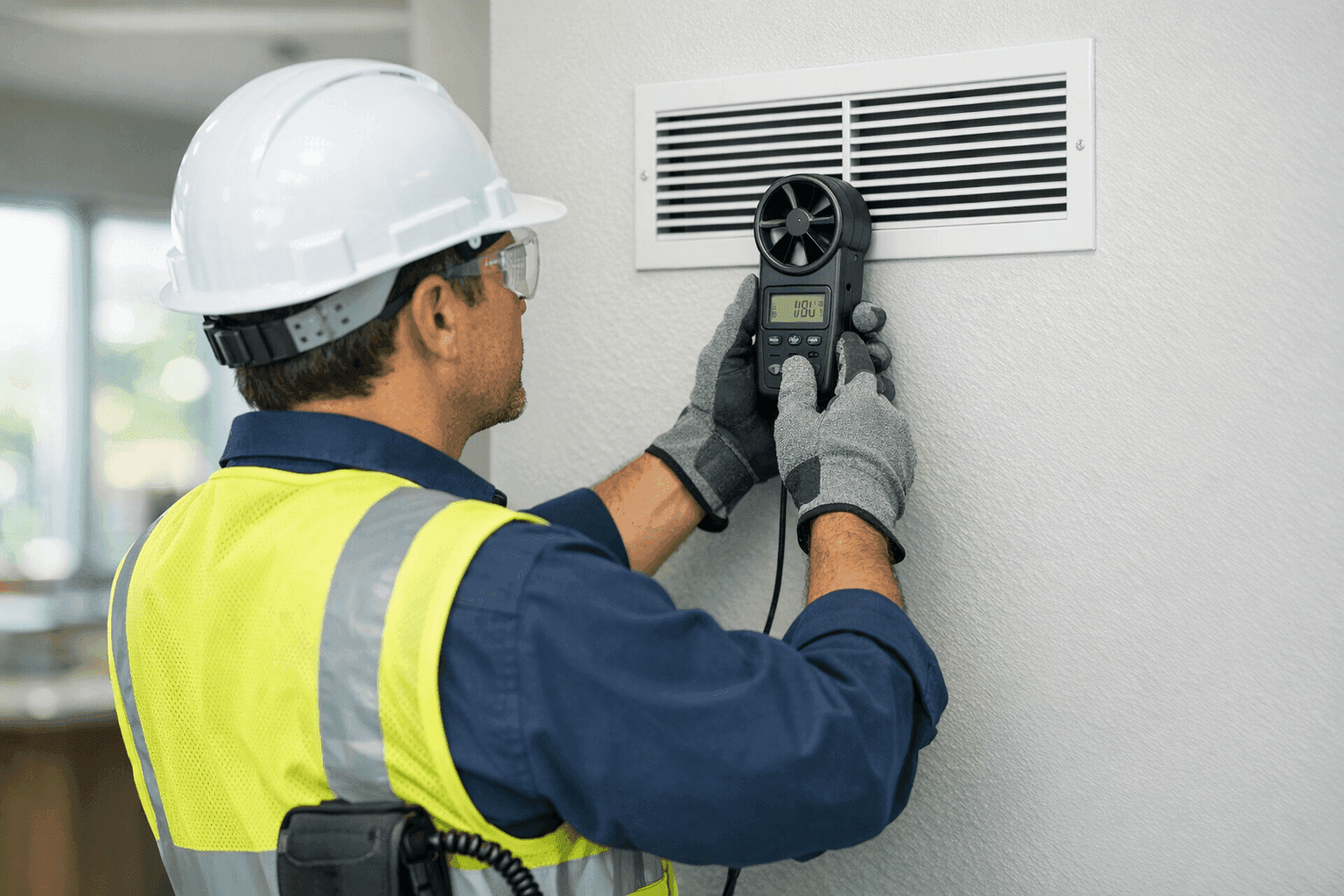
Fresh air shouldn’t be a luxury. Whether you’re running a busy office or relaxing at home, stuffy rooms make everyone cranky and tired. At Brama Cooling, we know that good ventilation is the secret to true comfort—summer or winter, rain or shine.
If you’ve ever noticed lingering odors, hot and cold spots, or windows fogging up, you’re not alone. These are signs your airflow isn’t working as it should. Let’s clear the air together.
Why Ventilation Matters 🌬️
Imagine your building as a living, breathing body. Air needs to come in and out, carrying away heat, smells, and invisible particles. Without healthy airflow, your space can feel like a gym bag after a week in the trunk.
Proper ventilation does more than keep you comfortable. It protects your health and your building. The American Society of Heating, Refrigerating and Air-Conditioning Engineers (ASHRAE) and building codes like the International Mechanical Code (IMC) require minimum airflow rates for good reason. Ventilation controls:
- Humidity (goodbye, mold and musty smells)
- Carbon dioxide and indoor pollutants
- Temperature imbalances between rooms
- Energy use (better airflow means your system works less)
Ignoring ventilation doesn’t just feel bad—it can damage your property and even your health.
Common Ventilation Problems
Most homes and offices wrestle with airflow issues. You might notice:
- Stale, lingering odors that don’t go away
- Stuffiness, especially after a crowd has left
- Uneven temperatures—one room’s freezing, another sweats
- Excess condensation on windows or walls
- Dust building up fast, no matter how much you clean
Often, the culprits are sneaky: blocked vents, undersized ducts, or a lack of exhaust fans in key places like bathrooms and kitchens. Sometimes, it’s a poorly designed duct layout or an aging HVAC system that’s lost its mojo.
Quick Safety Checklist
Breathe easy knowing your system is safe. Here’s a simple checklist:
- Check air vents: Are they open and unblocked by furniture or drapes?
- Bathroom & kitchen fans: Do they actually pull air out, or just make noise?
- Filters: Are yours clean and sized correctly?
- Carbon monoxide detectors: Working and tested recently?
- Ducts: Any visible dust, dirt, or mold around vents?
If you see mold or smell strong mustiness, stop and call a pro. Some problems are more than a quick fix.
DIY Airflow Improvements
You don’t need a toolbox full of gadgets to make a difference. Start small:
- Move furniture: Keep at least two feet of space around vents.
- Open interior doors: Let air move freely between rooms.
- Run exhaust fans: Especially after cooking, showering, or cleaning.
- Clean return air grilles: A quick vacuum can help a lot.
- Replace filters: Every 1–3 months, depending on your setup.
Even small steps can improve comfort and reduce strain on your cooling system. For more on breathing cleaner air, see our Indoor Air Quality service.
Professional Upgrades
Some improvements need a professional touch. Brama Cooling recommends considering:
- Exhaust fans: Modern, quiet fans for bathrooms, laundry rooms, and kitchens.
- Air exchangers: These swap stale indoor air for fresh outdoor air—essential for tight, energy-efficient buildings.
- Duct layout redesign: Sometimes, adding or resizing ducts makes all the difference.
- Zoning systems: Control airflow to specific rooms or floors for custom comfort.
Licensed professionals follow local codes and standards—like ASHRAE 62.1 for commercial spaces—to ensure your upgrades are safe, effective, and built to last.
Understanding Exhaust Fans
Think of exhaust fans as your building’s “exhale.” They pull out smells, moisture, and pollutants from kitchens, baths, or laundry rooms. Without them, moisture can creep into walls and ceilings, leading to costly repairs.
When choosing a fan, look for the right size (measured in cubic feet per minute, or CFM). Oversized fans can waste energy; undersized ones don’t get the job done. A pro can recommend what fits your space best.
All About Air Exchangers
Air exchangers are like lungs for your home or office. They don’t just move air—they swap stale indoor air for filtered, tempered outdoor air without sending your heating or cooling bills through the roof.
Modern exchangers, like energy recovery ventilators (ERVs), even balance humidity. This is especially important in cold climates or tightly sealed buildings that need fresh air but can’t crack a window for long.
Duct Layout: The Roadmap for Air
Ducts are the highways of your ventilation system. If they’re too narrow, blocked, or full of leaks, it’s like trying to run a marathon while breathing through a straw.
A good duct layout means:
- Even airflow to all rooms
- No whistling or banging noises
- No hot or cold spots
ASHRAE’s guidelines and local building codes provide minimum standards for duct sizing and installation. If you’re building new or renovating, ask about duct design before the drywall goes up.
Signs Your Ventilation Needs Help
How do you know if your airflow is off? Watch for these red flags:
- Persistent humidity or foggy windows
- Air that feels heavy, stuffy, or smelly
- People sneezing or complaining of headaches
- Visible dust clouds when the sun shines in
- Rooms that never seem to cool down (or heat up)
If you see any of these signs, it’s time to take action.
DIY vs. Call a Pro
Simple fixes—like moving furniture, opening vents, or running fans—are easy for most folks. But if you’re dealing with mold, major temperature swings, or a system that just can’t keep up, it’s smart to call someone with experience.
Professionals can:
- Test airflow and air quality
- Inspect for hidden mold or leaks
- Recommend code-compliant solutions
- Balance your system for even comfort
What Pros Do on Arrival
When Brama Cooling visits, here’s what you can expect:
- Inspection: We check vents, fans, filters, and ductwork.
- Testing: Airflow measurements, pressure balancing, and IAQ sampling.
- Diagnosis: Pinpointing bottlenecks or problem areas.
- Plan: Sharing practical options for your space and budget.
Our team always follows state and national codes for safety and performance.
Prevention & Maintenance
Good airflow isn’t a “set it and forget it” job. Stay on top of it:
- Change filters regularly
- Clean vents and grilles
- Schedule annual HVAC checkups
- Inspect attic and basement vents for blockages
For more help, our ventallation specialists offer tailored maintenance plans.
Costs & Time Factors
Ventilation upgrades range from a few dollars for new filters to a few thousand for major ductwork or air exchangers. Small fixes are usually done in a day. Bigger jobs might take a week, especially if you’re remodeling.
Remember: Proper ventilation isn’t just a comfort upgrade—it protects your home, health, and investment.
When It’s an Emergency
Some situations can’t wait:
- Visible mold growth
- Strong gas or combustion smells
- Sudden, severe humidity or window condensation
- Multiple people feeling sick at once
If you notice any of these, call for 24 hour emergency service right away.
FAQ: Your Ventilation Questions Answered
Q: Can I just open a window?
A: Sometimes, but it’s not always practical—especially in extreme weather or high-pollen seasons. Mechanical ventilation is more reliable.
Q: How often should I replace my filters?
A: Every 1–3 months, depending on your system, pets, and allergies.
Q: Will new exhaust fans lower my energy bill?
A: Yes, if they help your system run more efficiently and control humidity.
Q: Can poor airflow affect my allergies?
A: Absolutely. Stale air traps dust, pollen, and pet dander.
Seasonal Considerations
Different seasons bring new challenges.
- Spring: Pollen and humidity spike—clean filters and check fans.
- Summer: AC works overtime—make sure vents are clear.
- Fall: Leaves and dust can clog intakes.
- Winter: Humidity drops—add a humidifier if needed, but watch for condensation.
Stay ahead with a year-round maintenance plan.
Common Mistakes to Avoid
- Blocking vents with rugs or furniture
- Ignoring noisy fans (they might not be working!)
- Skipping filter changes
- Forgetting about attic or crawlspace vents
- Installing oversized or undersized equipment
Avoid these pitfalls and your comfort—and air quality—will thank you.
Timeline & Disruption: What to Expect
Most minor upgrades—like new fans or filter changes—are quick jobs. Bigger projects, like ductwork redesign or adding air exchangers, take longer but can often be done with minimal disruption to your daily routine.
We always aim to keep things tidy, safe, and on schedule.
Materials & Equipment: What Matters Most
Quality matters. Look for:
- Energy Star–rated exhaust fans
- HEPA or MERV-rated filters for better particle capture
- Well-insulated, properly sized ducts
- Durable, code-compliant air exchangers
A professional cooling contractor can help you choose what fits your space and budget.
Breathe Better, Live Better
Good ventilation isn’t just a detail—it’s the backbone of comfort, health, and energy savings in every building. From simple DIY tweaks to professional upgrades, every step you take improves your space.
If you’re ready to breathe easier, our Brama Cooling team is here to help. For those searching for trusted cooling specialists in Plymouth, we’re just a call away.
Call Brama Cooling now — or reach us anytime at 888-840-5035 .