How to Prepare Your Generator for Storm Season
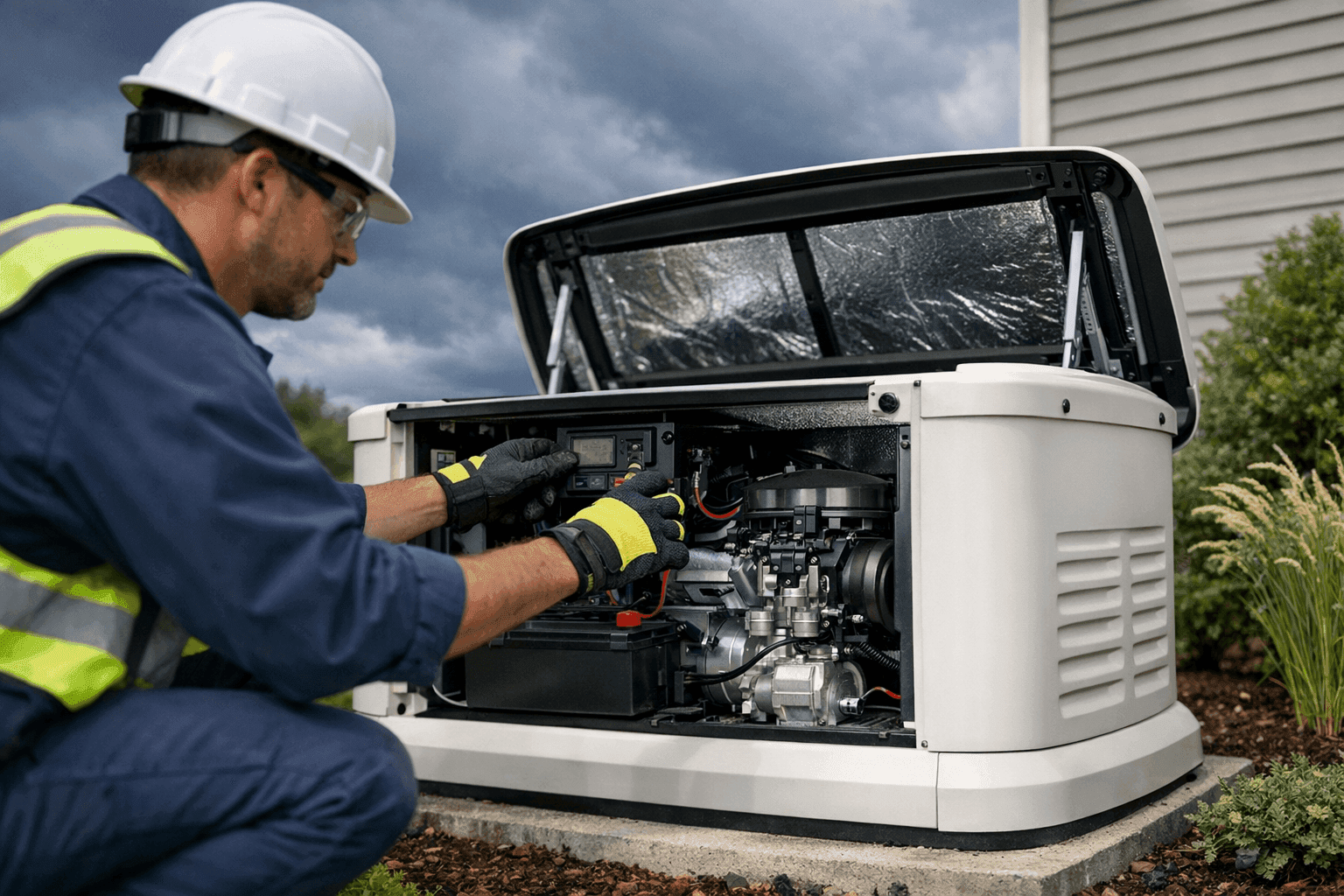
Storm clouds on the horizon? That uneasy feeling in your gut isn’t just the wind picking up—it’s the thought of losing power when you need it most. At Brama Cooling, we know how crucial a reliable generator is for both homes and businesses. The difference between a smooth ride through a blackout and hours of frustration often comes down to preparation.
If your generator hasn’t seen action since last season, it’s time to give it the attention it deserves. As storm season approaches, take these steps to ensure your generator stands ready when the lights go out.
Why Storm Prep Matters ⚡
Storm season can turn the ordinary upside-down in a flash. Power outages are more than an inconvenience—they can cause spoiled food, halted business, and even safety risks. According to the National Fire Protection Association (NFPA) and the Federal Emergency Management Agency (FEMA), prepping your generator is not just good sense; it’s essential for safety and peace of mind.
A well-maintained generator bridges the gap between chaos and comfort. Imagine your home as a ship in a storm: your generator is the anchor. Without preparation, even the sturdiest anchor can slip.
Inspection and Testing Checklist
Before the first rumble of thunder, walk through these steps to ensure your generator is storm-ready:
- Visual Inspection: Check for leaks, corrosion, frayed wires, and loose bolts. Look for nests or debris that could block airflow.
- Load Test: Run your generator under load (simulating real use) as recommended by the manufacturer. This is like taking your car for a spin before a long road trip.
- Transfer Switch Check: Ensure the automatic transfer switch operates smoothly. It should flip power over seamlessly when the grid goes down.
- Oil and Coolant Levels: Top off fluids, and look for signs of contamination. Dirty oil can grind your generator to a halt.
- Belts and Hoses: Squeeze and inspect for cracks or wear.
- Air Filter: Replace if dirty. Your generator needs to breathe easily—just like you.
- Exhaust System: Make sure it’s clear and venting properly to avoid dangerous fumes.
Refer to your manufacturer’s manual for specifics. The Electrical Safety Foundation International (ESFI) also offers excellent safety tips for standby power systems.
Fuel and Battery Prep
The right fuel can make or break your generator’s performance. Here’s how to stay ahead:
- Fuel Freshness: Old fuel can gum up the system. Store only as much as you’ll use in a season, and rotate stock. Use stabilizers if allowed.
- Storage Safety: Keep fuel away from heat sources and in approved containers, following local codes.
- Battery Check: Batteries lose strength over time, especially in extreme weather. Clean connections and test voltage with a meter. Replace if it’s more than 2-3 years old.
- Diesel vs. Gasoline vs. Propane: Each fuel type has pros and cons for storage and shelf life. Consult your installer or Generator Maintenance specialist for advice tailored to your model.
Emergency Operation Steps 🛠️
When the lights flicker, you want smooth sailing—not frantic fumbling. Practice these steps now so you’re ready when it counts:
- Startup Sequence: Know the drill—whether manual or automatic. If manual, keep a laminated instruction card nearby.
- Transfer Power: Wait a few moments after startup before switching over to prevent surges.
- Monitor Load: Don’t overload circuits. Start with essentials—refrigerator, lights, critical equipment—and add others as capacity allows.
- Ventilation: Always operate outdoors or in a well-ventilated enclosure. Carbon monoxide is invisible but deadly.
- Shutdown Protocol: Let the generator cool down before refueling. Never refuel while running.
Manufacturer guidelines (from brands like Generac and Kohler) and the Occupational Safety and Health Administration (OSHA) stress these steps for safe and reliable operation.
Load Tests: The Heartbeat of Readiness
Think of a load test as a fire drill for your generator. It’s a simulation under real-world conditions—will your system stand up when all the lights, fridges, and AC units kick in? Running a load test once or twice a year gives you confidence your generator can shoulder the burden.
Professional technicians use meters and simulated loads to measure voltage, amperage, and performance under stress. If you’re not comfortable doing this, call Brama Cooling for a routine checkup. It’s like having a mechanic check your brakes before icy weather.
Transfer Switch Checks: Your Power’s Gatekeeper
The transfer switch is the unsung hero of your backup system. It senses when utility power fails and reroutes electricity from generator to building. But like any gate, it can stick.
- Test the switch for smooth, automatic operation.
- Listen for odd clicks or delays.
- Ensure it’s free of dust and moisture.
If you spot issues, schedule maintenance promptly. Delays can mean minutes—or hours—without power when it matters most.
Fuel Storage: Safety First
Improper fuel storage is a leading cause of generator failure. Follow these tips:
- Only use containers approved by the National Fire Protection Association (NFPA).
- Keep fuel away from ignition sources, in a secure, ventilated location.
- Label containers with purchase dates and rotate stock.
- Never store more than local codes allow.
For propane or natural gas, check lines and valves for leaks. Smell gas? Call the fire department before doing anything else.
Battery Backup: Small Part, Big Role
A weak battery can turn a dependable generator into dead weight. Check for:
- Swollen or leaking batteries
- Corroded terminals
- Slow cranking or failure to start
Replace batteries every 2–3 years, or sooner if recommended by your manufacturer. Keep jumper cables or a backup starter handy just in case.
Quick Safety Checklist 📝
- Never operate a generator indoors or in enclosed spaces.
- Keep all vents and exhausts clear at all times.
- Use grounded cords and GFCI outlets.
- Keep children and pets away from the generator area.
- Always follow local codes and manufacturer instructions.
Refer to the U.S. Consumer Product Safety Commission (CPSC) and your local building codes for up-to-date safety guidance.
DIY or Call a Pro?
Some tasks are simple: topping off oil, checking fuel, or swapping an air filter. But for load tests, transfer switch checks, or anything involving wiring—don’t gamble. Electricity isn’t forgiving.
Brama Cooling’s Generator Installation team is trained to spot small problems before they become big headaches. If you’re unsure, call us. Sometimes, peace of mind is the best investment.
What Pros Do On Arrival
When Brama Cooling arrives for generator maintenance, here’s what you can expect:
- Full visual and operational inspection
- Professional-grade load testing
- Transfer switch analysis and adjustment
- Fluid, battery, and filter checks
- Code compliance review
We follow manufacturer protocols and industry safety standards—no shortcuts.
Prevention & Maintenance: The Year-Round Strategy
Don’t wait for the first raindrop to think about your generator. Schedule regular maintenance—twice a year is best. Like a well-tuned engine, a cared-for generator starts faster, runs better, and lasts longer.
Maintenance isn’t just about the generator. It’s about peace of mind for your family, business, and everything you care about.
Costs & Time Factors
Budget for regular generator maintenance as you would for HVAC or cooling services. The cost is small compared to the losses a power outage can cause. Most inspections take about an hour, with in-depth load testing adding a bit more.
Plan ahead: schedule service before storm season, when technicians are less swamped.
When It’s an Emergency
If your generator won’t start during a storm, don’t panic. Check the basics—fuel, battery, switches. If you still can’t restore power, call for 24-hour emergency service. Brama Cooling is here when you need us most.
Common Mistakes to Avoid 🚩
- Letting fuel sit too long
- Skipping annual load tests
- Overloading circuits
- Ignoring strange smells or noises
- Forgetting to test the transfer switch
Avoid these, and you’re already ahead of the game.
Signs of Trouble
- Slow or hesitant startup
- Unusual smoke or smells
- Flickering lights during operation
- Loud, new noises
If any of these crop up, schedule a checkup right away.
Timeline & Disruption
Routine maintenance is quick and minimally disruptive. Most homes and businesses can carry on as usual while we work. For larger commercial sites, plan for a short power interruption during load testing.
Materials & Equipment
Keep these on hand:
- Spare oil and recommended fluids
- Fresh fuel (and stabilizer, if needed)
- A copy of your generator manual
- Spare air filters and batteries
- Heavy-duty extension cords (for portable units)
FAQ: Your Generator Questions, Answered
How often should I service my generator?
Ideally, every six months or after any extended use.
Can I run my AC on a generator?
Yes, if your generator has enough capacity. Check wattage requirements first.
Are there local codes for generator installation?
Absolutely. Always follow city and state codes for safe, legal installation. For more details, see our Generator Maintenance page.
Is maintenance different for commercial and residential generators?
The basics are the same, but commercial units often need more frequent checks due to higher loads.
Stay Ready, Stay Safe
Storm season waits for no one. With the right prep, your generator will be ready to power you through whatever the weather brings. Don’t leave your comfort and safety to chance.
Call Brama Cooling now — or reach us anytime at 888-840-5035 .