How to Reduce Allergens and Asthma Triggers with HVAC Upgrades
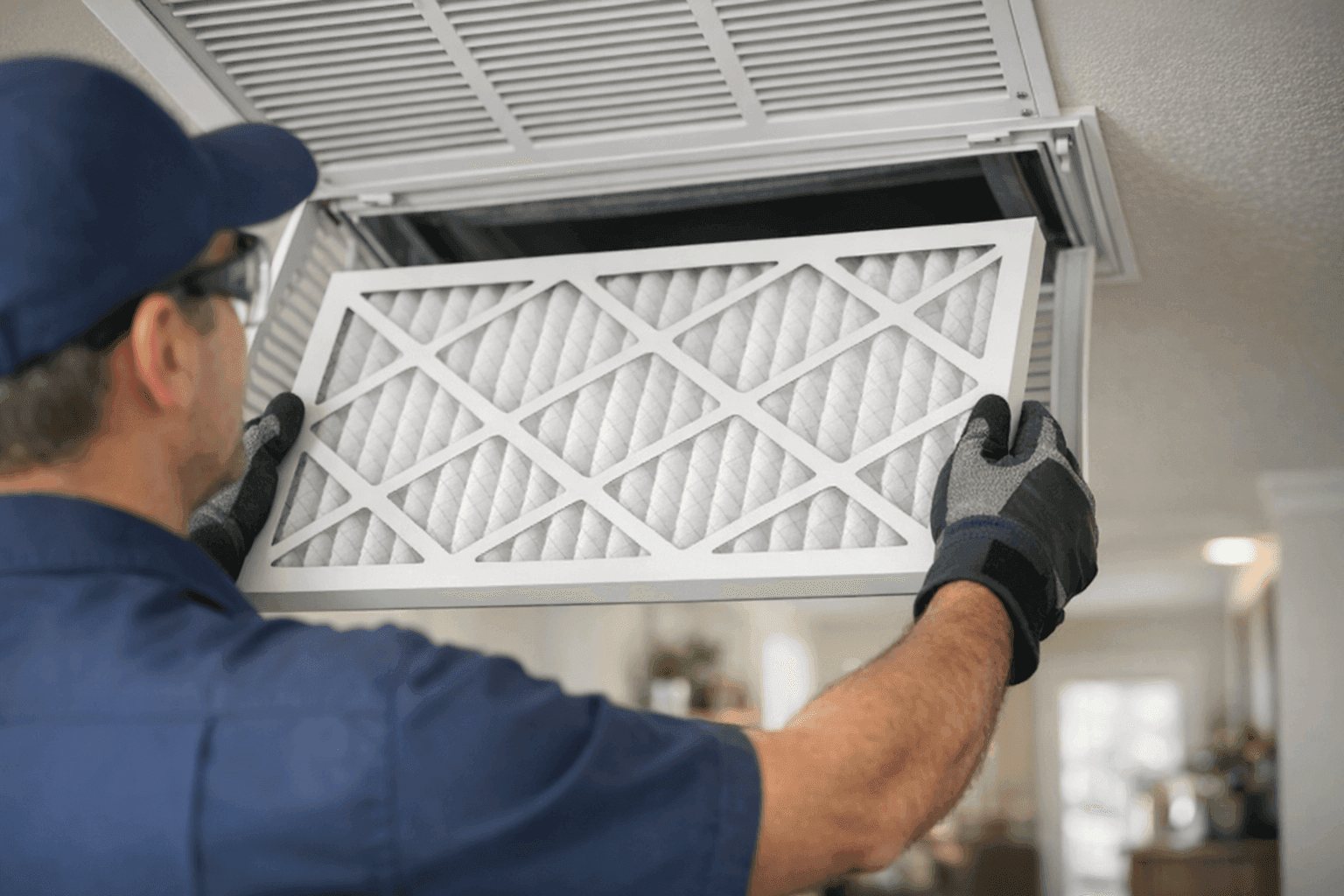
When you walk through your front door, you expect your space to feel safe and comfortable. For those with allergies or asthma, though, the air inside can be just as challenging as anything outdoors. The good news? Science and technology offer ways to make your home or business a haven—starting with your HVAC system.
At Brama Cooling, we’ve helped countless families and businesses breathe easier. Let’s unpack how simple upgrades can help reduce allergens and asthma triggers, all while keeping your environment cool and comfortable.
Common Indoor Allergens 🤧
Most people think of pollen or dust when they hear “allergy season.” But indoor air is a whole different landscape. Common triggers include:
- Dust mites: Microscopic, but mighty when it comes to irritation.
- Pet dander: Flakes of skin from furry friends, floating invisibly.
- Mold spores: Thrive in damp areas and hide in ducts or basements.
- Pollen: Yes, it sneaks in, riding on shoes, clothes, or open windows.
- Volatile Organic Compounds (VOCs): Emitted by paints, furniture, and cleaning products.
- Cockroach droppings and debris: A hidden hazard in many buildings.
The American Lung Association highlights indoor air quality as a major factor in respiratory health. For sensitive individuals, these invisible threats can be relentless.
How HVAC Impacts Allergies
Think of your HVAC system as the lungs of your building. Every hour, it draws in air, filters it, and recirculates it. If the “lungs” aren’t healthy, neither is the air you breathe.
A well-maintained system can:
- Capture and trap particles before they reach your nose or lungs.
- Control humidity (high moisture means more mold and dust mites).
- Circulate fresh air, diluting pollutants.
On the flip side, neglect can turn your cooling system into a superhighway for allergens, sending triggers straight into every room. That’s why routine filters replacement and cleaning are so crucial.
Best Filters and Purifiers
Your filter is your first line of defense. But not all filters are created equal. Here’s what matters:
MERV Ratings
- MERV (Minimum Efficiency Reporting Value) measures how well a filter captures particles.
- Residential systems often use filters rated MERV 8–13. Hospitals go higher.
- The higher the number, the better it blocks pollen, dust, and even smoke.
HEPA Filters
- True HEPA filters capture 99.97% of particles as small as 0.3 microns.
- Excellent for allergy and asthma control.
- Not all HVAC systems can handle HEPA filters due to airflow resistance—ask a pro before upgrading.
Air Purifiers and Air Scrubbers
- Whole-home air purifiers can be installed in your ductwork.
- Air scrubbers use UV light or ionization to neutralize bacteria, mold, and some viruses.
- The EPA recognizes UV technology as effective for certain airborne contaminants.
Regular Filter Changes
Set a schedule. Most homes need filter changes every 1–3 months. If you have pets or allergies, check monthly.
Advanced IAQ Upgrades
Ready to go beyond the basics? These upgrades take your indoor air quality to a new level:
Humidifiers & Dehumidifiers 🌡️
- Humidifiers add moisture, reducing static and dry air that irritates airways.
- Dehumidifiers pull moisture out—essential in damp climates or basements.
Maintaining humidity between 30-50% is recommended by the CDC for optimal respiratory health.
Duct Cleaning
Ducts can be a hiding place for dust, mold, and dander. A professional cleaning every few years keeps the airways clear.
Ventilation Improvements
Modern buildings are almost airtight, which is good for energy, but not always for air quality. Upgrading ventilation brings in more fresh air and pushes out contaminants.
IAQ Testing
Professional indoor air quality testing pinpoints hidden threats. Brama Cooling offers indoor air quality assessments to identify the best improvements for your space.
Signs Your HVAC May Be Making Allergies Worse
- You notice musty or stale odors.
- Allergy symptoms spike when indoors.
- Dust builds up quickly on surfaces.
- You see visible mold near vents or on walls.
- Your filters are always dirty, even after recent changes.
If these sound familiar, your system could be circulating more than just cool air.
Quick Safety Checklist
- Change or clean your filters on schedule.
- Check that vents are open and unblocked.
- Look for leaks or condensation around the AC unit.
- Inspect for visible mold or water damage near ducts.
- Schedule annual HVAC maintenance.
Safety first: Always turn off power before checking inside your furnace or AC unit.
DIY vs. Call a Pro
You can—and should—replace filters and keep vents clean yourself. For more advanced upgrades, like installing HEPA filters, air scrubbers, or duct cleaning, it pays to call in a professional.
HVAC pros have the training and specialized tools to:
- Size and install the right filter for your system.
- Balance airflow for maximum efficiency.
- Safely clean inside coils and ducts.
DIY can only go so far. For sensitive homes or commercial spaces, professional help is the safe bet.
What Pros Do On Arrival
When a Brama Cooling technician arrives, expect:
- Full system inspection, from thermostat to ducts.
- Filter and airflow assessment.
- Recommendations for upgrades (with options, not pressure).
- Honest feedback on the best improvements for your family or staff.
We follow guidelines from the EPA and ASHRAE (the American Society of Heating, Refrigerating and Air-Conditioning Engineers) for safety and performance.
Prevention & Maintenance 🛠️
A stitch in time saves nine—especially with HVAC.
- Stick to a maintenance schedule.
- Use high-quality filters. Don’t skimp.
- Clean around vents and returns regularly.
- Keep humidity in check.
- Address leaks or water issues quickly.
Prevention is easier (and cheaper) than fixing problems after they start.
Costs & Time Factors
- Upgrading filters is affordable and quick.
- Whole-home purifiers or humidifiers are more of an investment, but they last for years.
- Professional duct cleaning takes a few hours and can be done with minimal disruption.
- Maintenance visits are often scheduled annually and take less than half a day.
Ask for a written estimate and a scope of work before starting any upgrade.
When It’s an Emergency
Certain situations call for immediate attention:
- Visible mold growth.
- Suddenly worsening asthma symptoms.
- Strange or burning smells from vents.
- No airflow or sudden system failure.
In these cases, call for cooling services right away—don’t wait.
Seasonal Considerations
- Spring and fall are peak times for pollen—change filters before each season.
- Humidity spikes in summer—check dehumidifiers and AC performance.
- Winter means staying indoors more—focus on air cleanliness and proper ventilation.
Seasonal tune-ups keep your system ready for whatever the weather brings.
Common Mistakes
- Skipping filter changes—easy to forget, hard on your lungs.
- Blocking vents with furniture or boxes.
- Using the wrong filter size.
- Ignoring odd noises or smells.
- DIY duct cleaning without proper tools or safety gear.
Little oversights add up. Better to ask questions than risk indoor air quality.
Materials & Equipment
- High-quality MERV or HEPA filters.
- Humidifiers and dehumidifiers matched to your space.
- UV light air scrubbers for advanced cleaning.
- Professional-grade duct cleaning equipment (leave this to the pros).
The right tools make all the difference.
FAQ
Q: How often should I change my HVAC filter?
A: Every 1–3 months, or more often for allergy sufferers or homes with pets.
Q: What’s the best filter for allergies?
A: HEPA filters capture the most particles, but high-MERV filters are a good alternative for most residential systems.
Q: Can my AC system clean the air?
A: Yes—if it’s maintained and fitted with the right filters and add-ons.
Timeline & Disruption
Most upgrades are quick—filters and purifiers can be done in an afternoon. Duct cleaning or major installations may take a few hours, but rarely more than a day. Our team works to minimize noise and disruption, so you can get back to life (or business) fast.
Ready to Breathe Easier?
Reducing allergens and asthma triggers doesn’t have to be complicated, but it does take a plan. If you’re ready for cleaner air at home or work, Brama Cooling is here to help.
Call Brama Cooling now — or reach us anytime at 888-840-5035 .