How to Safely Use Portable Generators for Cooling During Outages
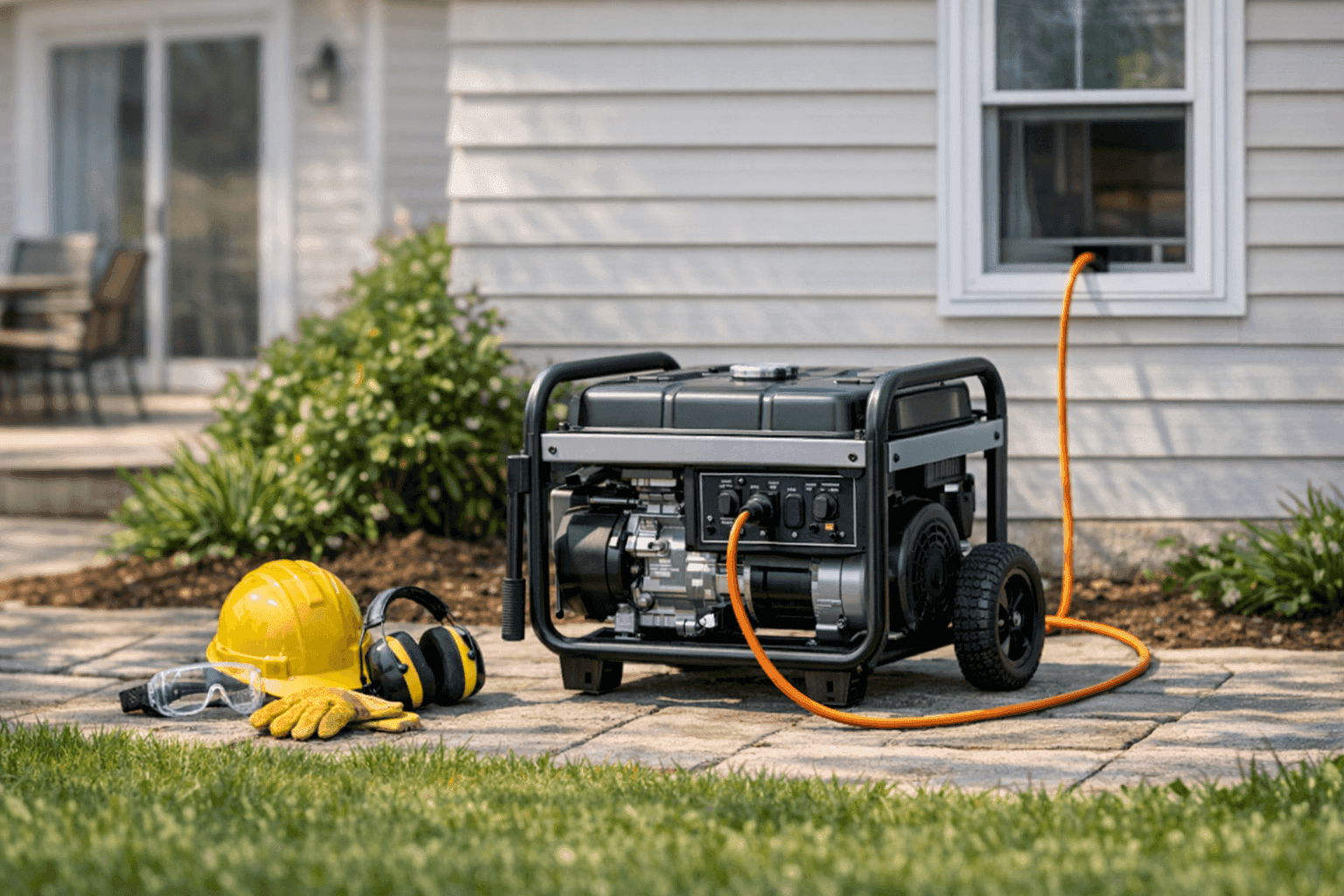
When the power goes out, comfort can slip away fast—especially in the heat of summer. If you need to keep your family, employees, or tenants safe and cool, portable generators are often the lifeline. But using them the wrong way? That’s like playing with fire in the middle of a drought.
At Brama Cooling, we’ve helped countless homes and businesses navigate outages, stay cool, and avoid the common pitfalls that can put lives and property at risk.
Why Generator Safety Is Important ⚠️
Picture this: A blackout hits, the temperature climbs, and you’re eager to get your AC or fans running. But before you flip that switch, consider this—improper use of generators can cause fires, electrical shock, or even deadly carbon monoxide buildup. According to the National Electrical Code (NEC) and OSHA, following safety guidelines isn’t just smart; it’s essential.
The stakes are high. Every year, emergency rooms see patients harmed by avoidable generator accidents. That’s why understanding generator safety isn’t just a box to check. It’s your shield against disaster.
Quick Safety Checklist
Before you even fuel up, run through this list:
- Read your generator’s manual—yes, every page.
- Place the generator outdoors, far from windows or doors.
- Use heavy-duty extension cords rated for outdoor use.
- Never overload the generator—know its limits.
- Install battery-powered carbon monoxide detectors inside your home or business.
- Turn off all connected cooling appliances before starting the generator.
A few minutes spent upfront can prevent hours—or even days—of headaches.
Proper Generator Sizing
Not all generators are created equal. Some are workhorses, others are more like ponies. To keep your AC, mini-splits, or whole-house fans running during an outage, you need the right size generator.
- Calculate total wattage: Add up the starting and running wattage for each cooling device you’ll power.
- Factor in surges: AC units and refrigerators need extra juice when they start up.
- Leave a cushion: Choose a generator with slightly more capacity than you think you’ll use.
The wrong size generator is like trying to row a boat with a spoon. You’ll never get where you want to go. Need help sizing or installing? Our generator installation team is ready to guide you.
Safe Connection Practices
Connecting your generator to your cooling system isn’t as simple as plugging in a lamp.
- Never plug a generator directly into a wall outlet. This “backfeeding” can send power down utility lines, endangering linemen and your neighbors.
- Use a transfer switch installed by a licensed pro. This safely connects your generator to your home or business electrical panel.
- Only use manufacturer-approved cords and plugs. If it looks like a spaghetti mess, it’s time to stop and call in help.
The National Electrical Code (NEC) requires that all permanent connections be done by qualified personnel. Skipping this step is like cutting the brakes on your car.
Ventilation and Carbon Monoxide Risks 🍃
Generators produce carbon monoxide (CO)—a silent, invisible killer. It can build up fast, especially in garages, sheds, or next to open windows.
- Always run generators outdoors, at least 20 feet from doors and vents.
- Point the exhaust away from occupied spaces.
- Install CO detectors on every floor. Test them regularly.
- Never use a generator in rain or wet conditions unless it’s protected by a canopy with open sides.
OSHA and the CDC both stress: there’s no safe level of CO exposure indoors. Treat every generator as if it’s running on a hair trigger.
DIY or Call a Pro?
Some tasks are safe for handy homeowners. Others? Not so much.
- DIY: Setting up portable fans, plugging in a window AC, using extension cords.
- Call a pro: Installing or wiring transfer switches, troubleshooting generator surges, integrating with central AC or HVAC systems.
If you’re unsure whether your setup is safe, our generator maintenance team can inspect and advise—before the next blackout strikes.
What Pros Do On Arrival
When Brama Cooling technicians arrive, you get more than a “flip the switch” service. Here’s what we check:
- Generator placement and fuel storage
- Electrical connections and transfer switch operation
- Condition of cooling equipment (mini-splits, AC, fans)
- Air quality and ventilation
- Compliance with NEC and OSHA guidelines
We work to keep outages from turning into emergencies.
Prevention & Maintenance
Outages are unpredictable, but preparation isn’t.
- Schedule regular generator maintenance—oil changes, filter swaps, and load testing.
- Check cooling systems for dust, debris, and airflow restrictions.
- Test your generator monthly, not just once a year.
Preventive care for your generator is like tuning a piano—small adjustments keep it ready to perform.
Costs & Time Factors
Running a generator isn’t free. Fuel adds up fast, especially during heat waves.
- Gasoline and propane costs: Budget for several days’ worth.
- Wear and tear: Frequent outages stress both your generator and your cooling equipment.
- Time to cool a room: Generators take a few minutes to power up, and AC units need a gentle start.
A little planning goes a long way toward keeping costs—and stress—in check.
When It’s an Emergency
Some situations can’t wait:
- Heat waves that threaten health
- Critical business operations (like server rooms or medical storage)
- People with medical devices or mobility issues
If your cooling fails during an outage and you can’t get your generator running safely, call for emergency help. Brama Cooling offers 24-hour emergency service for these moments.
FAQ: Portable Generators and Cooling
Q: Can I run my central AC with a portable generator?
A: Only if your generator is large enough and wired through a transfer switch. Most portable units can handle window ACs or fans, but not a whole central system.
Q: How long can a generator run safely?
A: Follow the manufacturer’s guidelines. Most need refueling every 8-12 hours. Always cool down before refilling.
Q: What type of extension cords should I use?
A: Heavy-duty, outdoor-rated cords with enough capacity for your cooling devices.
Seasonal Considerations
Summer storms. Winter ice. Both can knock out power and spike demand for generators and cooling. Prepare ahead:
- Test your generator before each season.
- Stock up on fuel, filters, and extension cords.
- Schedule a Generator Maintenance checkup if you’re in the area and want peace of mind.
Common Mistakes to Avoid ❌
- Running a generator indoors or too close to the house
- Overloading circuits or ignoring wattage limits
- Forgetting to turn off cooling appliances before starting or stopping the generator
- Skipping maintenance between outages
Mistakes can turn a minor inconvenience into a major crisis. Avoid shortcuts.
Signs of Trouble
- Flickering lights or appliances
- Strange smells (burning, exhaust, or gas)
- Loud noises, rattling, or vibration from the generator
- Hot extension cords
If anything seems off, shut down the generator and seek professional help.
Timeline & Disruption
Expect some noise, a little disruption, and a brief wait for cooling to kick in after a power outage. With portable generators, patience and preparation make all the difference.
Materials & Equipment You’ll Need
- Portable generator (correctly sized)
- Heavy-duty extension cords
- Outdoor-rated fuel containers
- Surge protectors and transfer switch (if connecting to a panel)
- Carbon monoxide detectors
Keep these essentials on hand, and you’ll weather outages with confidence.
Final Thoughts
Power outages are stressful, but with the right precautions, you can keep your cooling systems running safely. Don’t let generator mistakes risk your comfort—or your life. If you need help with generator installation, maintenance, or cooling solutions, Brama Cooling is here for you.
Call Brama Cooling now — or reach us anytime at 888-840-5035 .